
Raccoon Dog (Nyctereutes procyonoides): biology, behavior and conservation
The raccoon dog is a small canid from East Asia with raccoon-like markings. Omnivorous and adaptable, it is culturally important in Japan and an introduced, sometimes invasive species in parts of Europe.
Overview
The raccoon dog (Nyctereutes procyonoides), also called tanuki, mangut or neoguri, is a small member of the canid family native to East Asia. It is named for its facial mask and dense fur, which give it a superficial resemblance to raccoons, though raccoon dogs are true canids and not closely related to the procyonids.
Image gallery
10 Images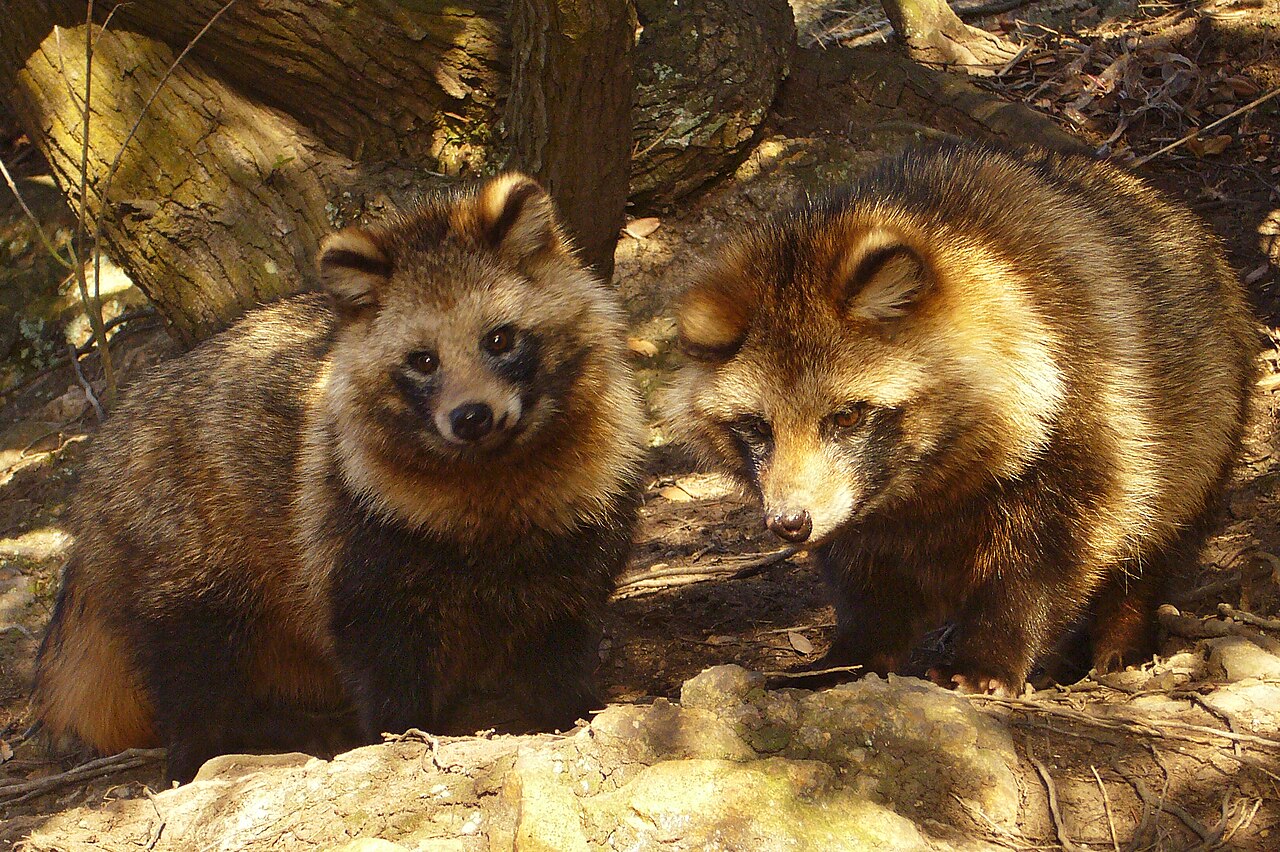




Physical characteristics
Raccoon dogs have a compact body, short legs and thick winter fur. Their face typically shows a dark mask contrasting with paler cheeks and a bushy tail. Seasonal changes in coat density help them endure cold winters. Unlike most canids, they can climb trees to a limited extent and may enter torpor or prolonged lethargy in very cold weather.
Behavior and diet
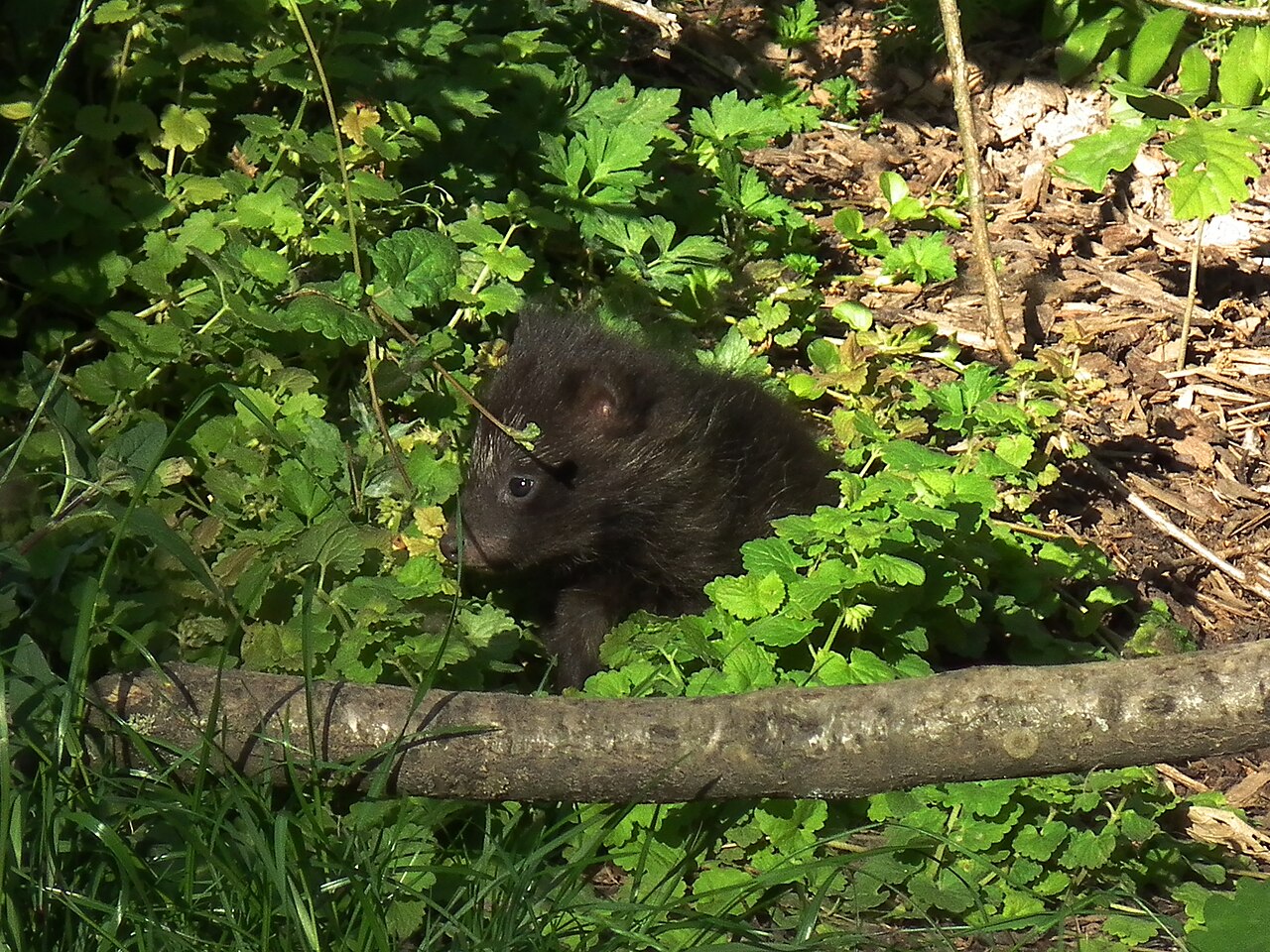
Generally nocturnal and crepuscular, raccoon dogs forage alone or in mating pairs. They are omnivores with a flexible diet: small mammals, birds, amphibians, insects, eggs, fruit and carrion. Breeding pairs are often monogamous; litters commonly contain several pups, and both parents may help rear the young.
Habitat, range and introductions
Native habitats include mixed woodland, wetlands and agricultural edges in parts of China, Korea, Japan and the Russian Far East. During the 20th century the species was introduced to parts of Europe, where it has established breeding populations and is considered invasive in some regions. In Japan and elsewhere, local populations may be protected in designated reserves or islands that limit hunting and development—some localities are managed as a protected area for raccoon dogs.
Conservation, threats and management
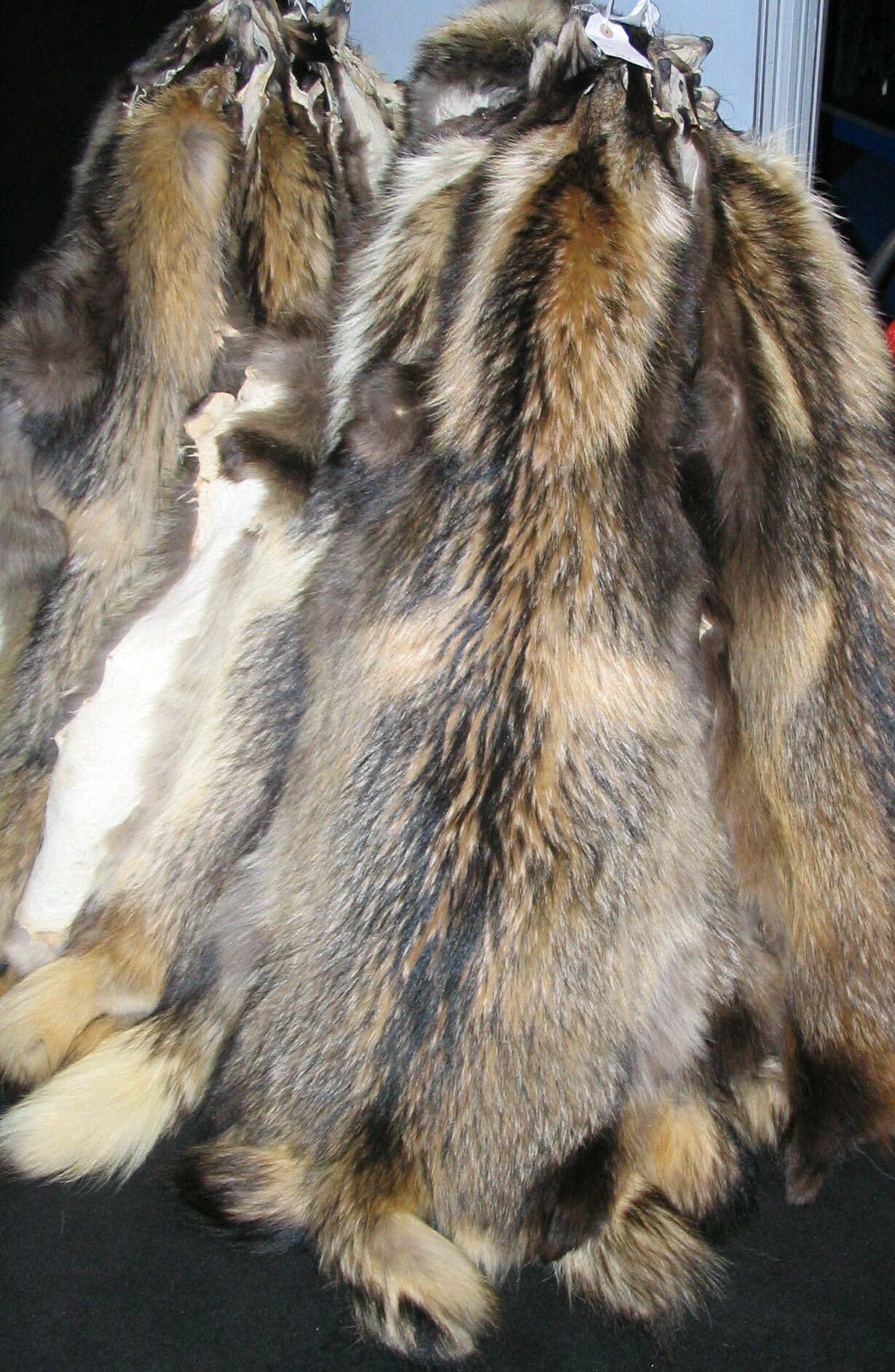
Status varies regionally: in its native range it faces pressure from hunting and habitat change, while in introduced areas it can threaten ground-nesting birds and compete with native carnivores. Disease (for example mange and canine pathogens), road mortality and fur harvesting are additional threats. Management responses range from protection and habitat conservation to control measures where the species is invasive.
Cultural role and distinctions
In Japan the raccoon dog is well known as the tanuki, a figure of folklore associated with shapeshifting and trickery and often depicted in statues. Biologically, it is distinct from true raccoons (Procyonidae) and differs from other canids in its facial pattern, climbing ability and tendency to use torpor. These features, combined with its adaptability, make the raccoon dog a species of both ecological interest and cultural significance.
- Taxonomy: Nyctereutes procyonoides, several regional subspecies.
- Activity: mostly nocturnal/crepuscular.
- Diet: omnivorous and opportunistic.
- Conservation: regionally variable—protected in some native areas, invasive in parts of Europe.
Related articles
Author
AlegsaOnline.com Raccoon Dog (Nyctereutes procyonoides): biology, behavior and conservation Leandro Alegsa
URL: https://en.alegsaonline.com/art/80675