
Rahonavis — a small bird-like theropod from Late Cretaceous Madagascar
Rahonavis is a small, feathered, Late Cretaceous theropod from northwestern Madagascar. Its mix of bird-like and dromaeosaurid features sparked debate over flight capability and relationships to early birds.
Overview
Rahonavis is a genus of small, feathered theropod known from the Late Cretaceous of northwestern Madagascar. The best-known species, Rahonavis ostromi, lived roughly 70–65 million years ago and combined features typical of both early birds and dromaeosaurid ‘‘raptor’’ dinosaurs. Its remains were recovered from a terrestrial deposit and are represented by a partial skeleton that preserves elements of the forelimb, shoulder, pelvis and hindlimb.
Image gallery
10 Images





Key features
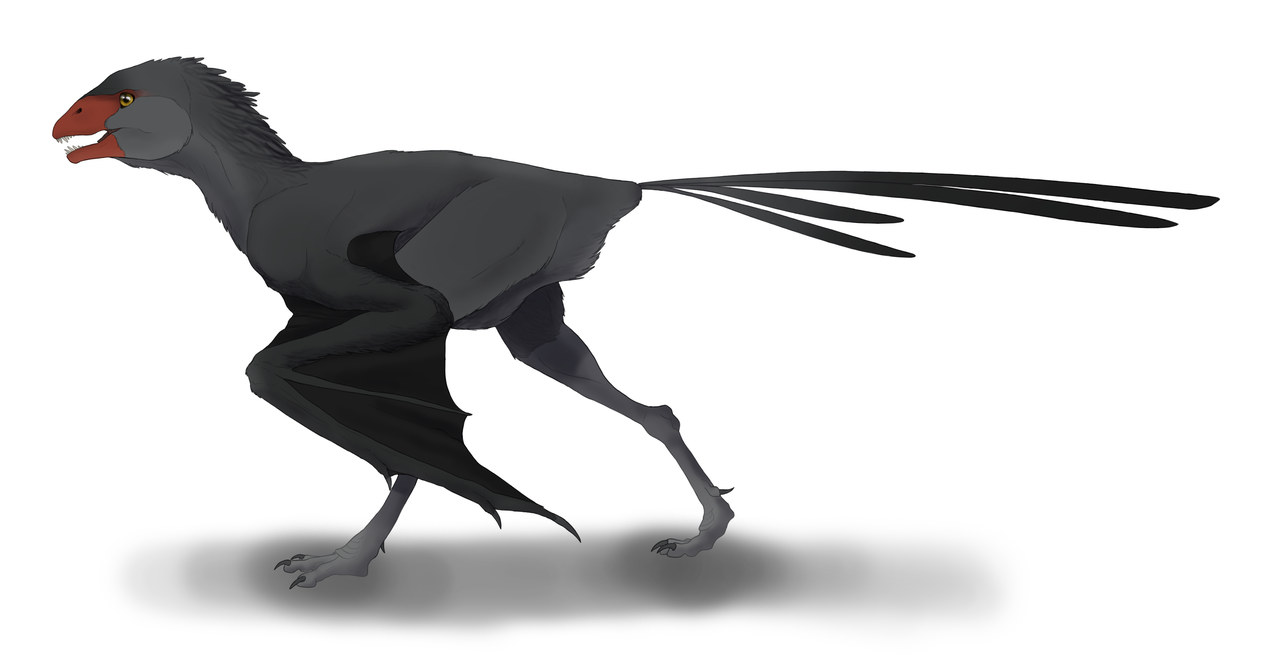
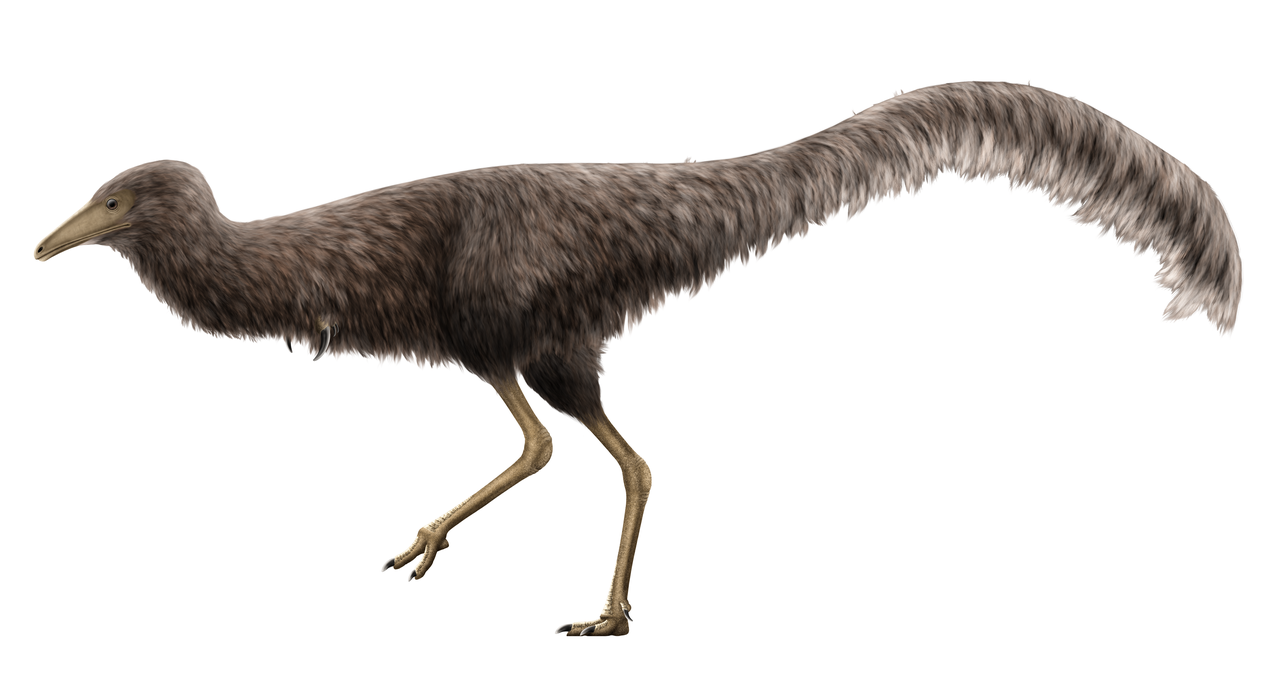
Rahonavis was compact and lightly built, estimated at under a metre in total body length when including its tail. Distinctive characteristics include a raised, recurved sickle-shaped claw on the second toe similar to that of velociraptorines, long forelimbs with wing-like bones, and evidence for feathers inferred from its anatomy and close relationships. Its arm and shoulder bones are proportionally robust compared with many non-avian theropods, which has been central to interpretations of its lifestyle.
Flight, gliding and functional interpretation
Because Rahonavis preserves relatively complete forelimb elements, paleontologists have debated whether it was capable of powered flight, at least to some degree, or whether it was primarily a glider or an arboreal runner. Some researchers argue the wing bones and shoulder structure could support flapping; others note that the remains might come from more than one animal, complicating the picture. For further discussion of functional analyses see specimen summary and a broader review at research overview.
Discovery and geologic context
The fossil material was excavated from the Maevarano Formation in northwestern Madagascar, a fossil-rich deposit dating to the final stages of the Cretaceous. The locality has yielded a diverse assemblage of dinosaurs, crocodyliforms and other vertebrates, highlighting the distinct island ecosystems of Gondwana near the end of the Mesozoic. Details of the specimen record and stratigraphy can be found via collection notes.
Significance and comparisons
Rahonavis is important for understanding the diversity and geographic distribution of bird-like theropods on southern continents. Its mosaic of avian and dromaeosaurid traits contributes to debates about the origin of flight and the relationships among early birds, dromaeosaurids and other paravians. Comparative resources and taxonomic discussions are available at taxonomic review and phylogenetic summaries.
Notable facts and ongoing questions
Key questions about Rahonavis remain open: whether the forelimb bones belong to the same individual as the hindlimb elements, the degree of aerodynamic ability it possessed, and its exact placement on the evolutionary tree between non-avian dromaeosaurids and true birds. These issues make Rahonavis a frequent subject in studies of feathered dinosaurs and the evolution of flight; further resources and updates are listed at research updates.
Questions and answers
Q: What is Rahonavis?
A: Rahonavis is a genus of bird-like feathered dinosaur.
Q: When did Rahonavis live?
A: Rahonavis lived during the Upper Cretaceous period, 70-65 million years ago.
Q: Where was Rahonavis found?
A: Rahonavis was found in northwestern Madagascar in a quarry.
Q: How long was Rahonavis?
A: Rahonavis was about 70 centimeters long or 2.3 feet long.
Q: What was special about Rahonavis?
A: Rahonavis had a raised sickle claw on its second toe, similar to Velociraptor.
Q: Was Rahonavis a predator or a herbivore?
A: Rahonavis was a small predator.
Q: Is there any information about the complete skeleton of Rahonavis?
A: No, there is only a partial skeleton of Rahonavis that's been found.
Related articles
Author
AlegsaOnline.com Rahonavis — a small bird-like theropod from Late Cretaceous Madagascar Leandro Alegsa
URL: https://en.alegsaonline.com/art/80856