
Rabbit-Proof Fence (2002 film)
2002 Australian drama directed by Phillip Noyce, adapted from Doris Pilkington's book about three Aboriginal girls who escape a settlement and trek home, highlighting the Stolen Generations.
Overview
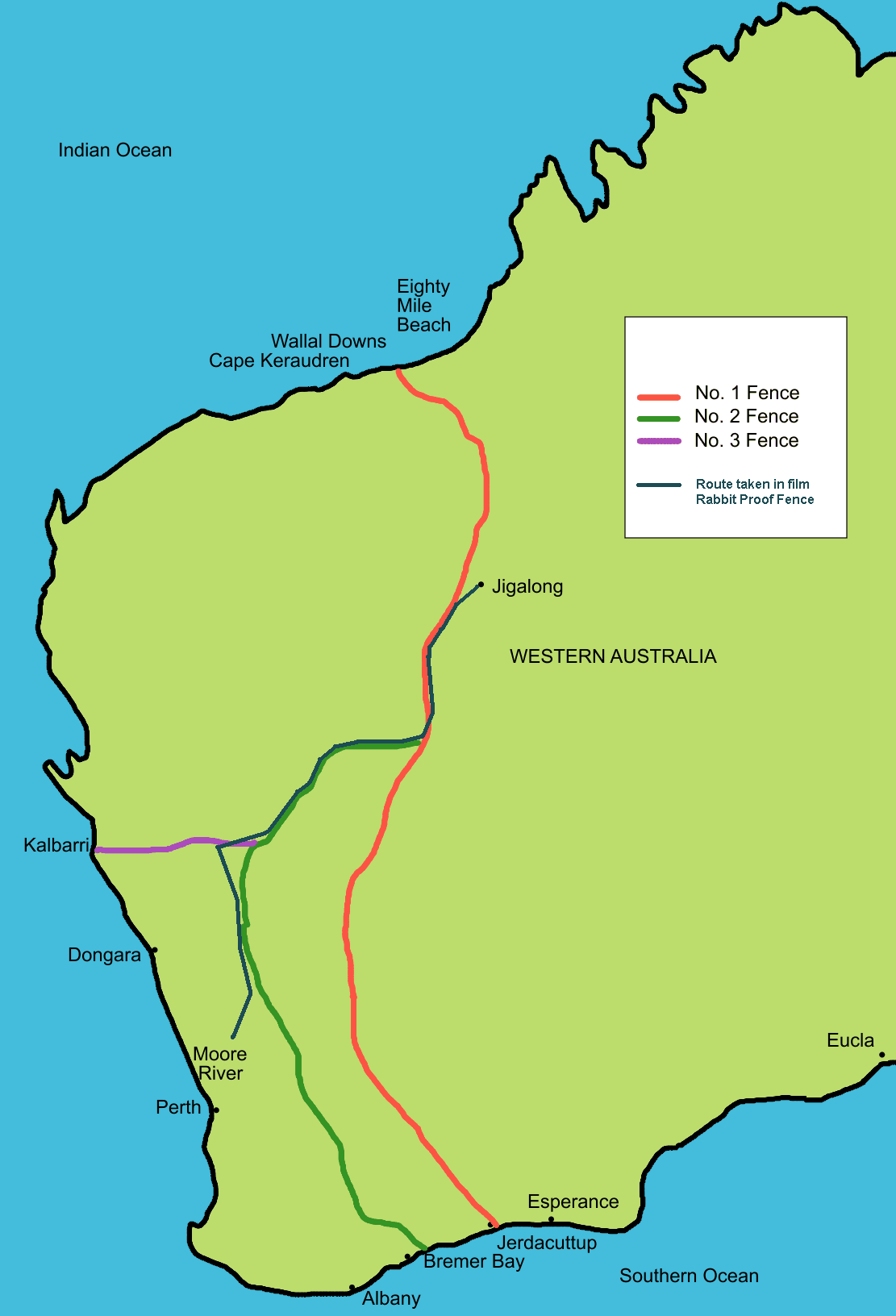
Rabbit-Proof Fence is a 2002 Australian drama film directed by Phillip Noyce. Adapted from the book by Doris Pilkington (Nugi Garimara), the movie recounts the true-based story of three young Aboriginal girls—Molly, Daisy and Gracie—who escape the Moore River Native Settlement and travel across Western Australia, using the rabbit-proof fence as a guide to return to their families. The production was made on a modest budget (reported at around US$6 million) and brought international attention to the historical events it portrays.
Image gallery
3 Images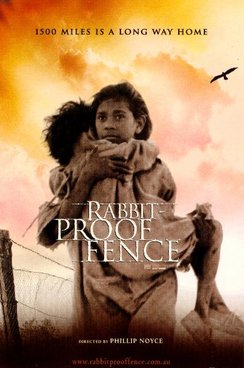

Production and release
The screenplay adapts Pilkington's account into a visual narrative focused on the girls' walk and the officials who pursue them. Filming took place on location in Western Australia to capture the vast landscapes that shape the story's atmosphere. The film premiered in 2002 and screened at international film festivals, helping introduce wider audiences to an often overlooked chapter of Australian history. For more background on the historical source material see the book or consult an overview of the film's production here.
Themes and style
Central themes include the consequences of assimilation policies known as the Stolen Generations, cultural survival, family bonds and resilience. The narrative is spare and observational, emphasizing landscape, silence and the girls' resourcefulness rather than melodrama. Visually, the film uses long shots of the Australian outback to convey isolation and endurance, and a restrained score to support mood and memory.
Reception, use and debate
Critics praised the film for its emotional clarity, performances by its young cast and its respectful treatment of sensitive material. It has been used in educational settings and public discussions to illustrate government policies that affected Aboriginal communities. At the same time, some commentators and historians have debated aspects of the story's factual details and interpretation; such discussions have helped prompt deeper inquiry into archival records and family testimony. Additional resources and commentary are available here.
Notable elements
- Based on a memoir that popularized the account of the girls' journey.
- Directed by Phillip Noyce, an established Australian filmmaker.
- Focus on landscape and non-verbal storytelling.
- Serves as a cultural touchstone in conversations about indigenous history and film.
Today the film is remembered both as a compelling piece of cinema and as an entry point for audiences to learn about the wider historical and social issues affecting Aboriginal Australians in the twentieth century.
Related articles
Author
AlegsaOnline.com Rabbit-Proof Fence (2002 film) Leandro Alegsa
URL: https://en.alegsaonline.com/art/80669