
R101: British rigid airship of the Imperial Airship Scheme
R101 was a British rigid airship built in the 1920s as part of the Imperial Airship Scheme. It crashed in France in 1930 on a voyage to India, ending Britain's major program of passenger airships.
Overview
The R101 was a British rigid airship developed during the 1920s as part of an official effort to establish long‑range air routes connecting Britain with its overseas territories. Intended to carry passengers and mail on extended journeys, R101 represented the largest and most ambitious element of the Imperial Airship Scheme. In October 1930 the airship crashed in France, with heavy loss of life; the disaster effectively ended Britain's program for large passenger airships.
Image gallery
10 Images






Design and characteristics
R101 was a rigid airship: a framed hull containing multiple gasbags for lift, crew and passenger accommodation, and a ground‑handling structure that allowed scheduled services over long distances. Designers balanced capacity, range and comfort with the technical limits of contemporary materials and engines. The finished craft included cabins and public spaces intended to make long imperial journeys more comfortable than sea travel.
History and development
Plans for a fleet of large airships emerged in the mid‑1920s as a way to shorten travel times between Britain and parts of the empire, and to compete with successful German operations such as the Graf Zeppelin. The government sponsored a two‑track approach: a government design team built R101 while a private contractor built a sister ship, the R100. The Imperial route was conceived to link London with nodes such as Cairo, Canada, Australia and New York, shortening journeys that otherwise took weeks by sea.
Voyage, crash and consequences
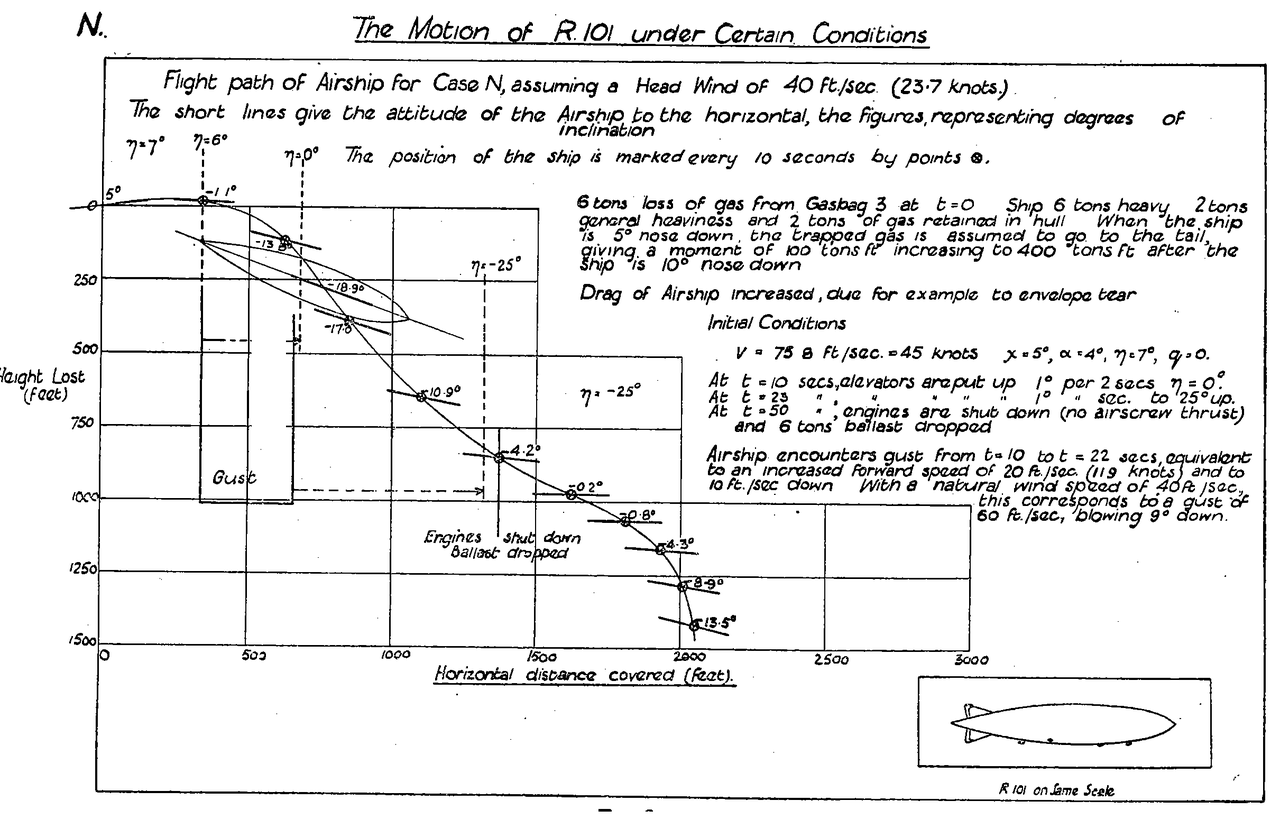
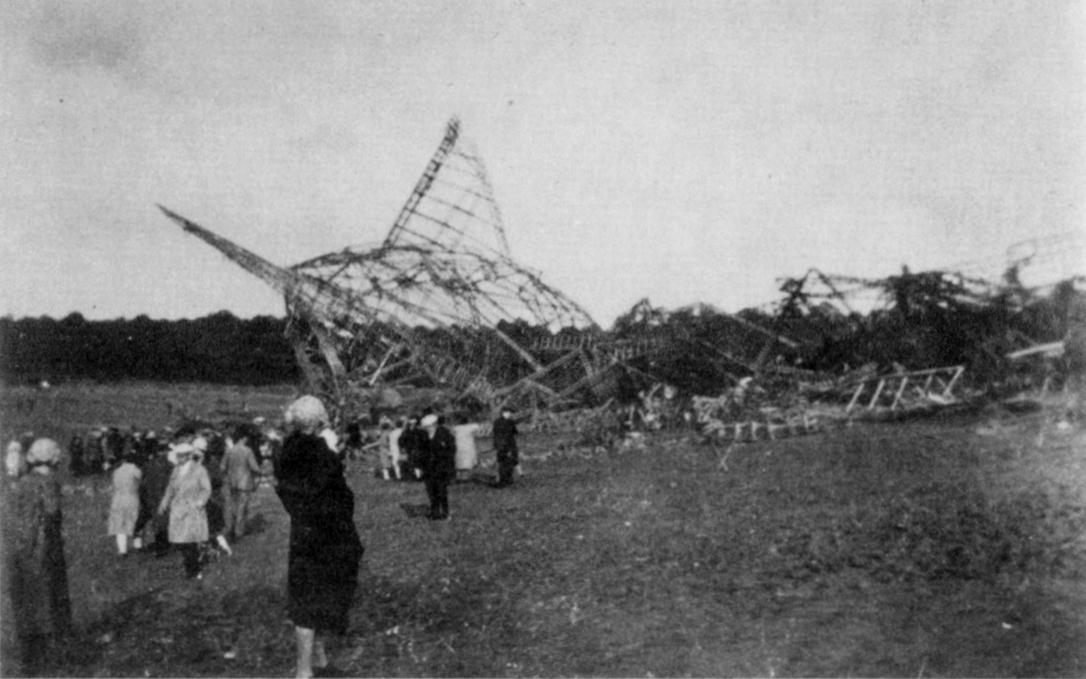
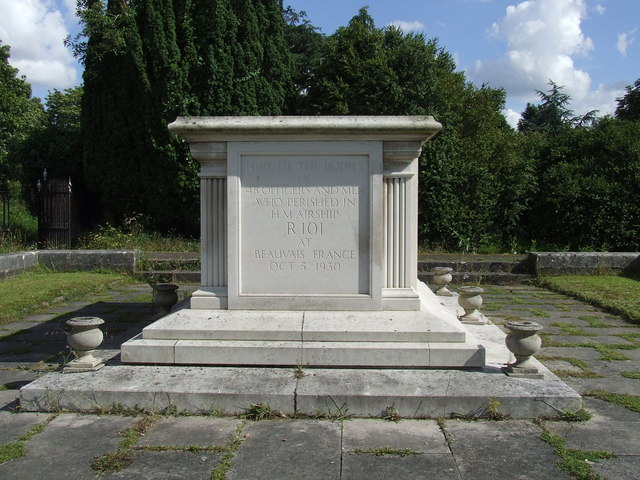
R101 departed on a long, high‑profile voyage in 1930 intended to demonstrate its ability to reach India and other distant parts of the empire. The ship never reached its destination: it crashed in France on that voyage, and many aboard were killed. The accident prompted official inquiries and public loss of confidence in rigid airships. Funding and political support for the Imperial Airship Scheme were withdrawn and planned large airships were cancelled. The disaster accelerated the shift toward heavier‑than‑air transport for long‑distance passenger and mail services.
Legacy and notable points
- R101 symbolized the peak of British state investment in passenger rigid airships and the ambition to link far‑flung parts of the empire more quickly than by ship.
- The twin‑track program that produced R101 and its sister ship, R100, exposed differing design philosophies: government‑led versus private contractor approaches.
- The crash is widely regarded as a turning point that ended large‑scale rigid airship development in Britain and reduced political appetite for similar projects elsewhere.
For further context on early long‑range air travel and contemporary competitors, see historical summaries and technical overviews that explore how airship technology compared with emerging aeroplane services during the interwar years.
Related articles
Author
AlegsaOnline.com R101: British rigid airship of the Imperial Airship Scheme Leandro Alegsa
URL: https://en.alegsaonline.com/art/80654