
QWERTY keyboard layout
QWERTY is the standard Latin-script keyboard layout whose name comes from the first six letters of its top letter row; it originated with 19th-century typewriters and remains dominant on modern devices.
Overview
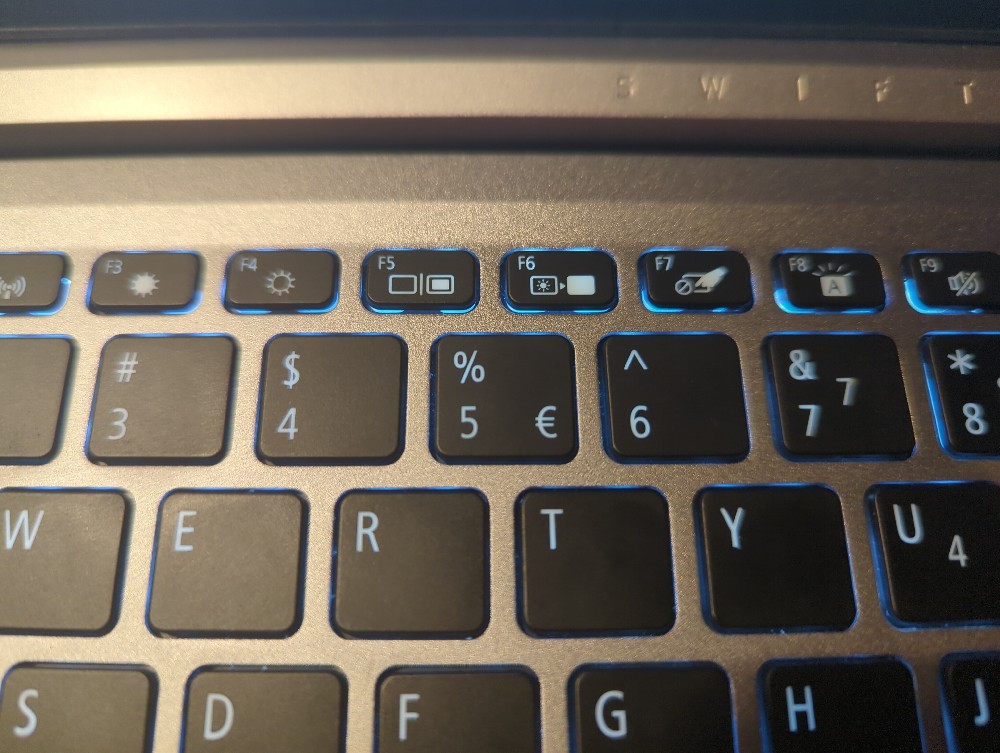
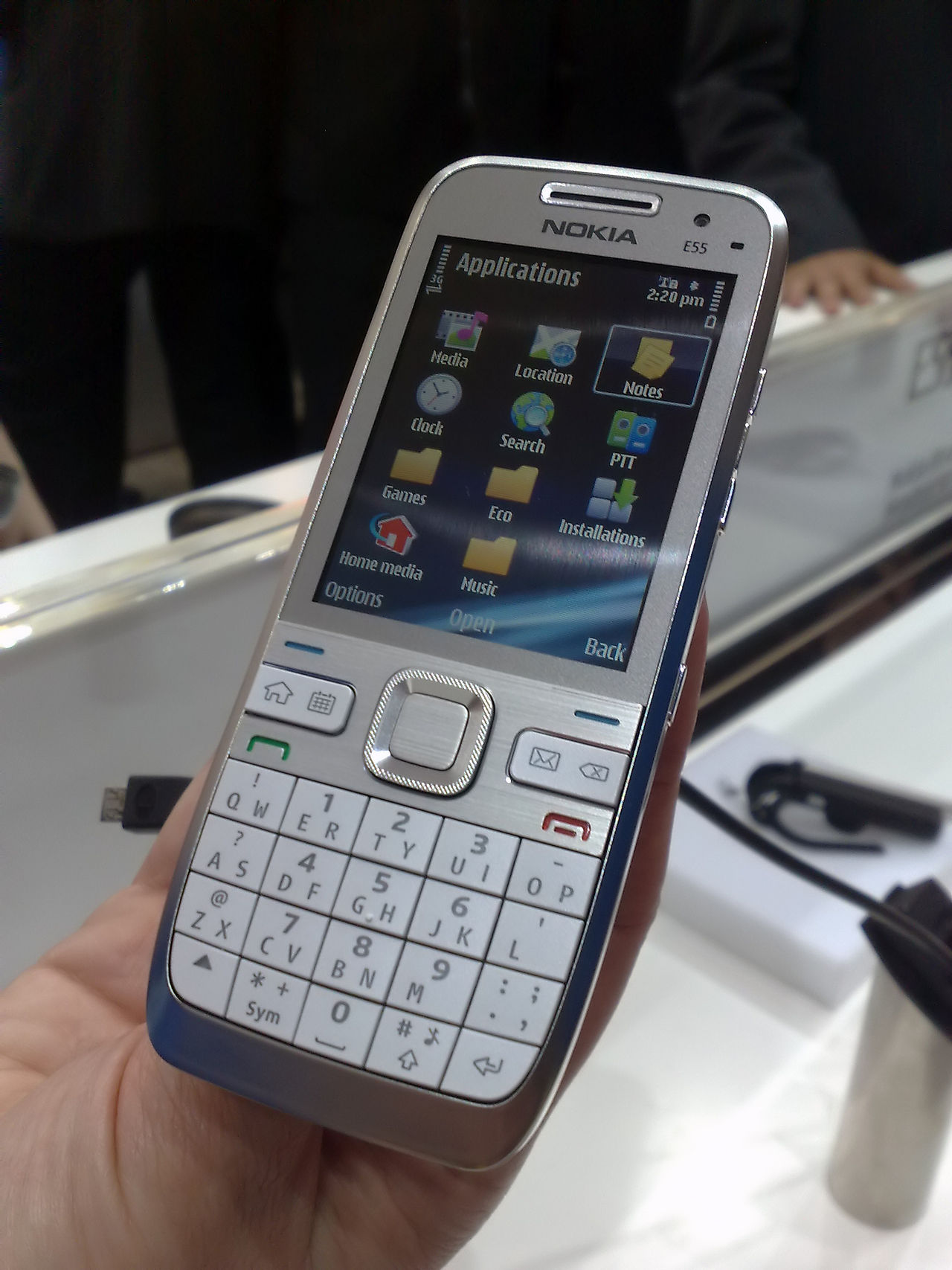
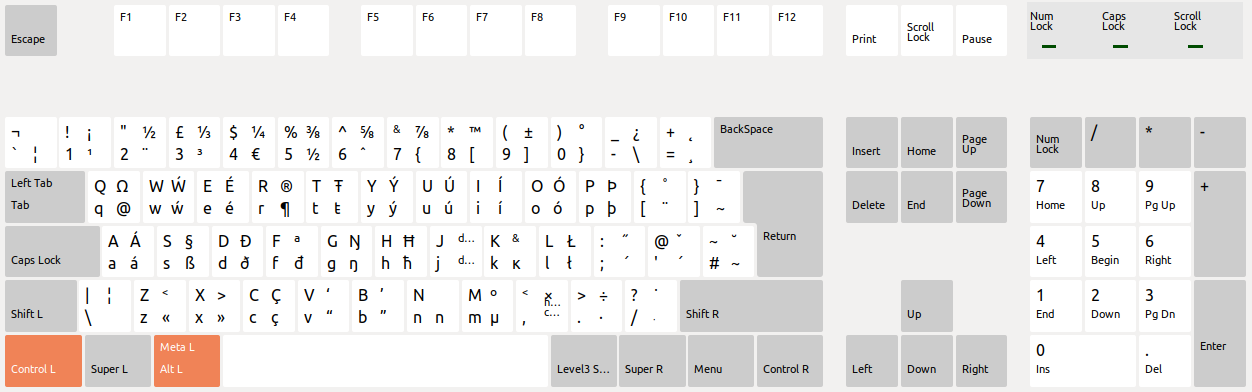
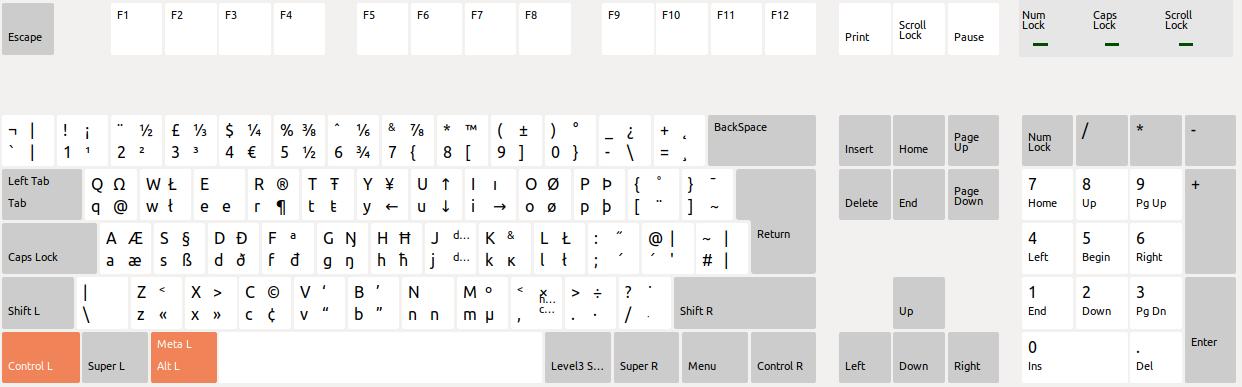
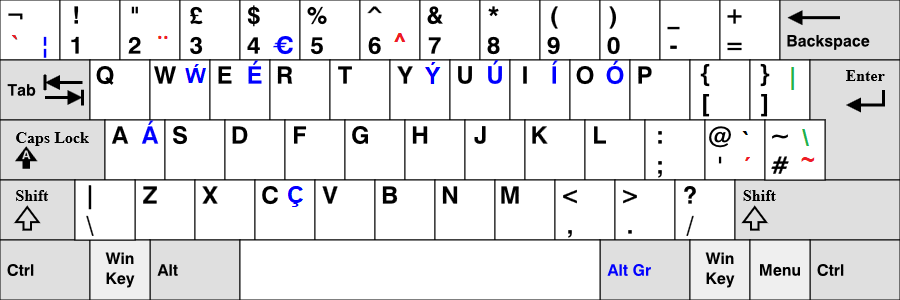
The QWERTY layout is a widely used arrangement of letter keys for typewriters and computer keyboards. Its name derives from the first six alphabetic keys on the top letter row: Q, W, E, R, T and Y. QWERTY is the default layout for many English-language keyboards and is familiar to most people who learn touch typing. For basic information about keyboard types and layouts see keyboard layout.
Image gallery
10 Images



Origins and early development
QWERTY traces back to mechanical typewriters of the 19th century. It is commonly associated with inventor Christopher Sholes and early commercial machines produced after the design was sold to a manufacturer. The layout was patented in the later 19th century and commercialized on early typewriters, which shaped how people learned to type for generations. For historical context about language and usage see historical sources.
Characteristics and variants
The arrangement places commonly paired letters and vowels across the rows in a pattern that became standardized over time. The home row, where fingers rest, typically begins with A S D F on the left and J K L ; on the right in many English variants. Regional and national variants modify key positions or labelings; for example, French and German keyboards use AZERTY or QWERTZ adaptations. For discussion of regional usage see language-specific layouts.
Why it persisted
- Early manufacturing and training established user familiarity.
- Network effects: widespread teaching and software defaults reinforced adoption.
- Compatibility: standards for key placement, shortcuts and physical keyboards favored continuity.
Alternatives and debate
Researchers and designers have proposed alternative arrangements intended to increase speed or reduce finger movement; notable examples include the Dvorak and Colemak layouts. Despite claims about efficiency gains, these alternatives remain niche largely because switching costs are high and many people find QWERTY adequate for everyday typing.
Modern uses and notable facts
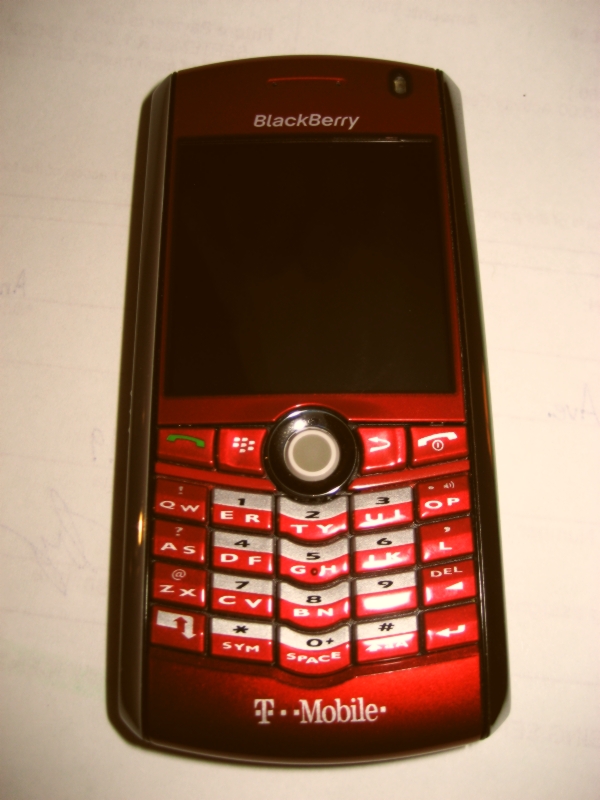
QWERTY continues as the default on desktop and laptop keyboards and is commonly emulated on touchscreen devices. The layout influences shortcut keys, programming conventions and ergonomic accessories. While debates about optimal keyboard design continue, QWERTY's dominance is a classic example of how technical choices can become entrenched through historical circumstances and widespread adoption.
Related articles
Author
AlegsaOnline.com QWERTY keyboard layout Leandro Alegsa
URL: https://en.alegsaonline.com/art/80629
Sources
- tech.yahoo.com : "Patented in 1874"
- lifewire.com : "Insert Word Special Characters and Symbols and Assign Them Shortcuts"