
Pythagoreanism: Philosophy, Practices, and Historical Influence
Ancient philosophical and religious movement linking reality to numbers; combined mathematics, cosmology, ethics and communal practices and later reappeared as Neopythagoreanism.
Overview
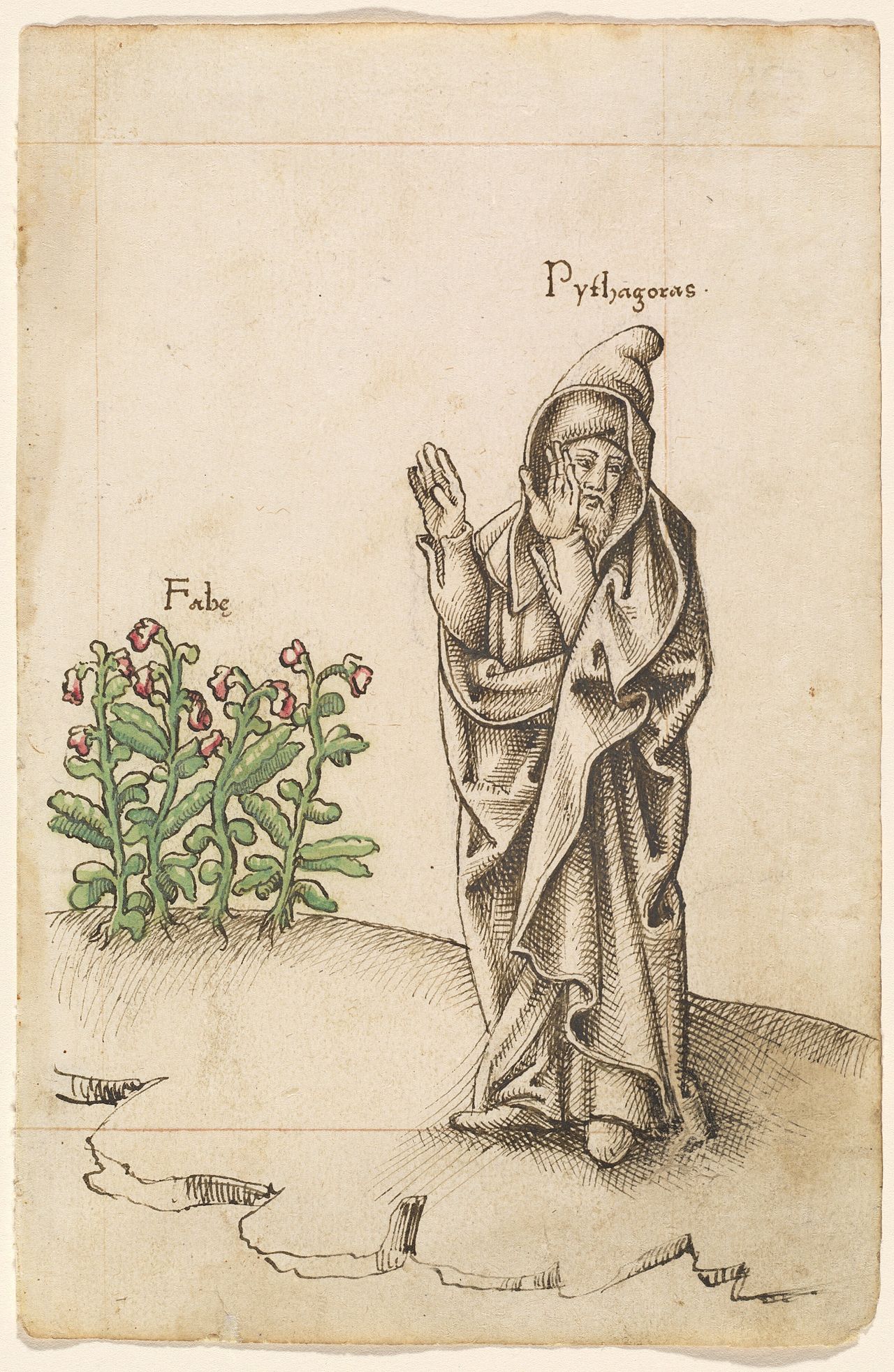
Pythagoreanism describes a body of religious, philosophical and scientific ideas associated with Pythagoras and his followers in the ancient Mediterranean. It blends mathematical investigation with spiritual doctrines, proposing that numerical relations underlie the structure and order of the cosmos. Many later accounts emphasize the group's secrecy and ritual elements alongside their intellectual pursuits. For introductions to the movement's character see esoteric and metaphysical teachings and biographies of Pythagoras.
Image gallery
10 Images






Core beliefs and concepts
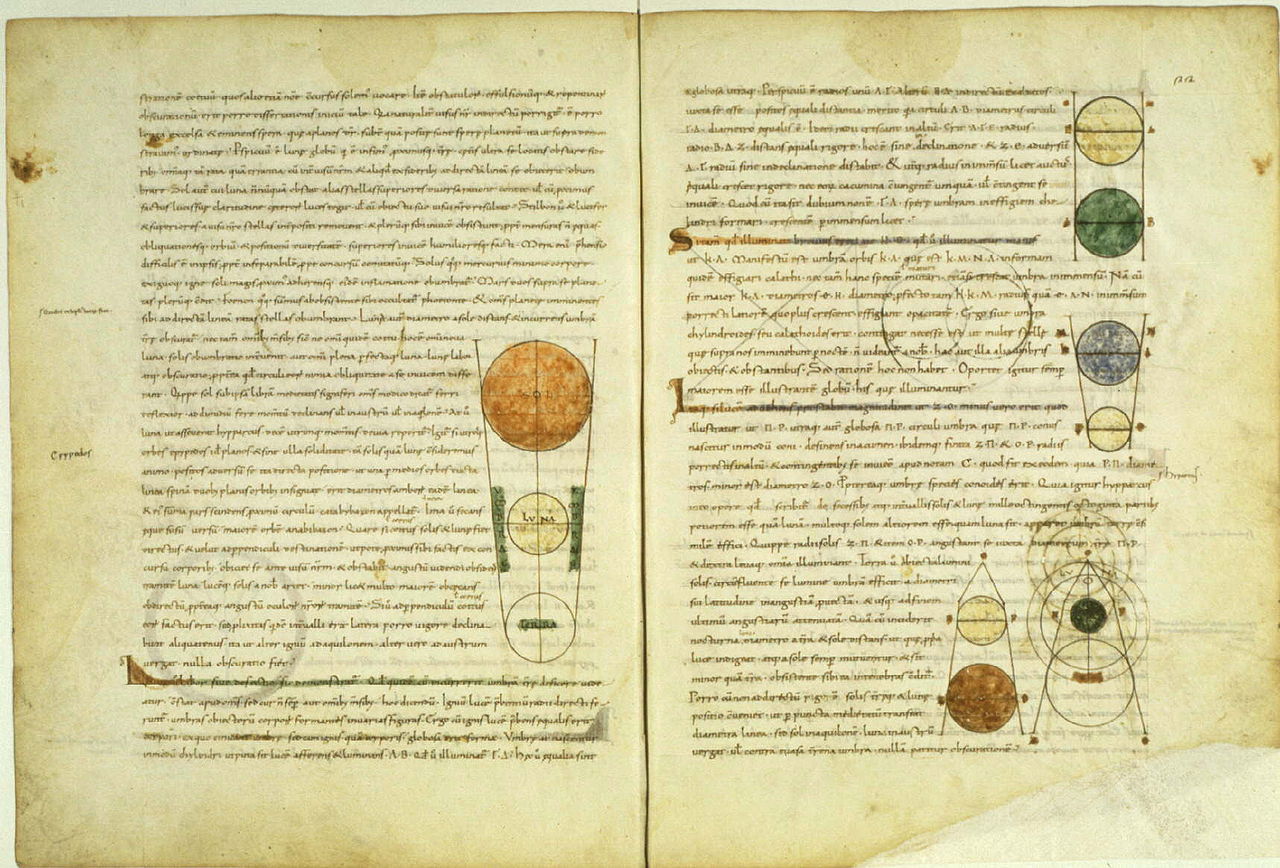
Central to Pythagorean thought is the conviction that numbers and ratios are more than calculation tools: they are principles that shape harmony, proportion and form. The idea that whole numbers and their relationships carry symbolic weight appears in many of their writings and later reports. They linked numerical properties to aesthetic, ethical and cosmological patterns, and they explored how numerical ratios determine musical intervals and planetary order. For more on the mathematical side see mathematics and studies of simple integers.
Practices and organization
Pythagorean communities combined study with communal living, ethical rules and ritual observance. Members followed dietary restrictions, engaged in regular philosophical instruction, and observed codes of silence and secrecy reported by classical writers. Their internal structure reportedly included divisions between those chiefly devoted to doctrine and those emphasizing ritual and tradition.
Mathematics, music and cosmology
Pythagoreans are best known for exploring numerical ratios in musical tuning and for attributing cosmic harmony to orderly numerical relationships. Their work on proportions influenced geometry, musical theory and early natural philosophy. Though the exact origin of particular theorems is debated, the association of the school with geometric and harmonic discoveries shaped later science and aesthetics.
History and transmission
Originating in the sixth century BCE in southern Italy, the movement evolved as followers dispersed and adapted its teachings. Accounts from classical authors mix historical reporting with legend, so reconstructing a precise school doctrine requires caution. Elements of Pythagorean thought entered Platonic and Hellenistic philosophy and persisted through late antiquity.
Later developments and influence
Centuries after the initial communities, a revival called Neopythagoreanism reinterpreted Pythagorean ideas alongside Platonic and Stoic themes. The school's fusion of number theory, ethics and mysticism left a long legacy: it influenced medieval numerology, Renaissance art and scientific conceptions of mathematical order.
Key distinctions and legacy
- Philosophical vs. religious aspects: Pythagoreanism combined rigorous numerical inquiry with ritual and moral practice.
- Historical vs. legendary accounts: surviving descriptions mix verifiable mathematics with later myth-making.
- Direct influence: their emphasis on proportion shaped music theory and geometry and fed into broader Western intellectual traditions.
For further reading and scholarly resources, consult modern treatments that separate archaeological and textual evidence from later hagiography and examine the mathematical contributions in context of ancient science.
Related articles
Author
AlegsaOnline.com Pythagoreanism: Philosophy, Practices, and Historical Influence Leandro Alegsa
URL: https://en.alegsaonline.com/art/80257
Sources
- classicalwisdom.com : "The Cult Of Pythagoras"