
Purple bacteria
Purple bacteria are phototrophic Proteobacteria that perform anoxygenic photosynthesis using bacteriochlorophylls and carotenoids; they inhabit aquatic, sediment and microbial mat environments and affect sulfur and carbon cycling.
Overview
Bacteria commonly called purple bacteria are a diverse set of microbes that capture light to power metabolism. They are phototrophic, converting solar input into chemical energy by forms of photosynthesis that do not produce oxygen. Many strains obtain energy under anaerobic or microoxic conditions and develop colorful pigments that range from purple to red, brown or orange.
Image gallery
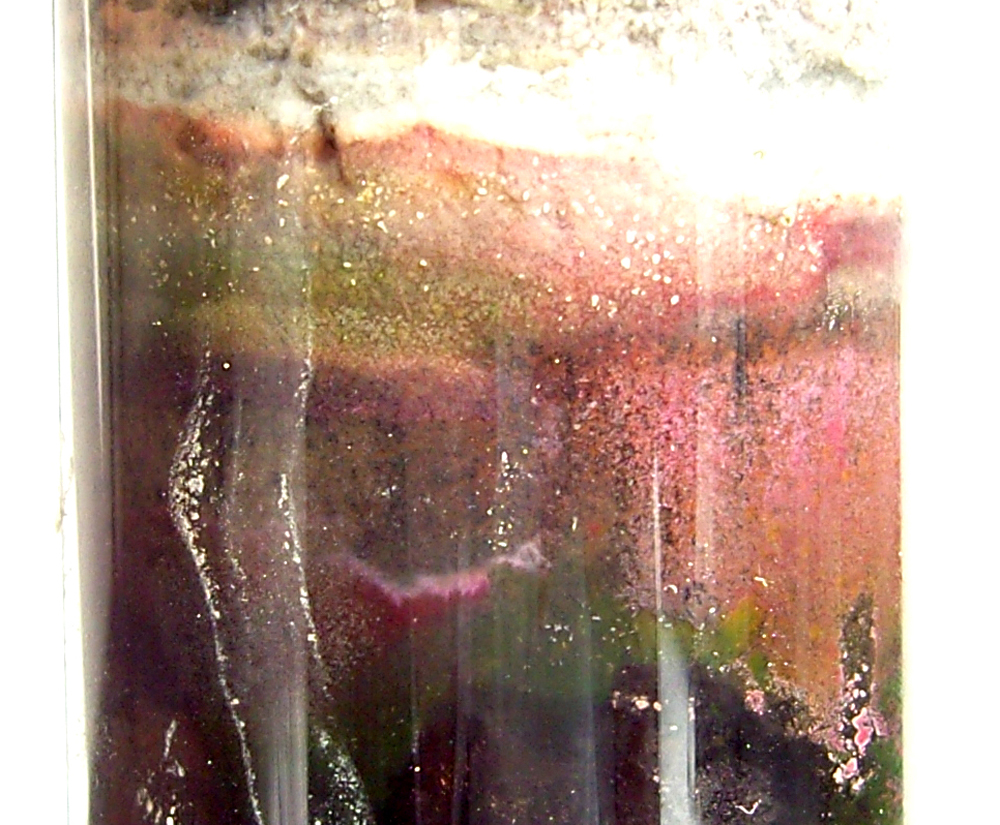
2 Images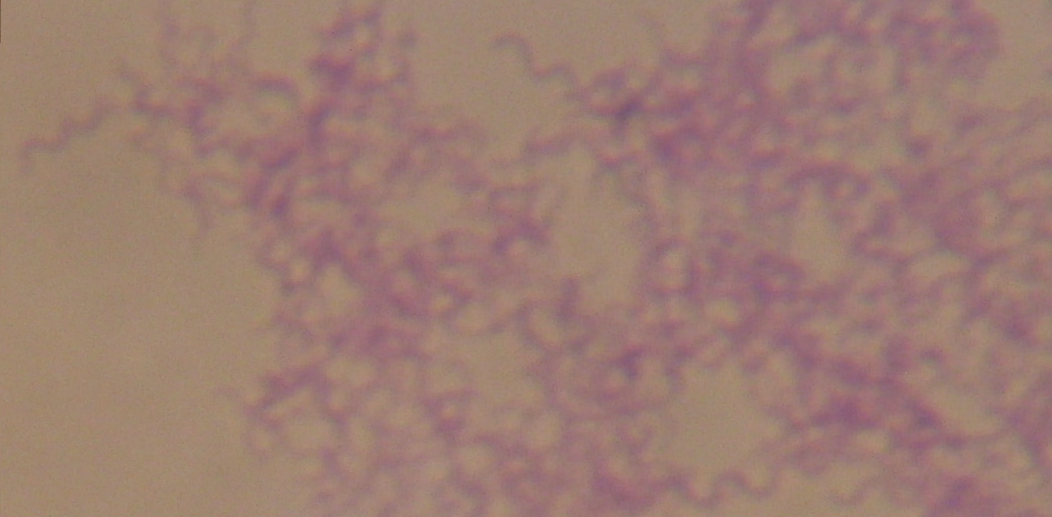
Characteristics and pigments
Pigments called bacteriochlorophylls and complementary carotenoids give these microbes their distinctive hues. Their light-harvesting complexes and reaction centers enable cyclic electron flow rather than the linear, oxygen-generating chains found in plants and cyanobacteria. Depending on the species, electrons for the photosynthetic cycle come from hydrogen sulfide, elemental sulfur, hydrogen or organic compounds.
Classification and types
Most purple bacteria belong to the larger group of proteobacteria. They are commonly separated into purple sulfur bacteria and purple nonsulfur bacteria. Purple sulfur bacteria tend to oxidize sulfide and store sulfur granules, whereas purple nonsulfur bacteria are often more flexible, using organic substrates when light is present. Well-known genera include Chromatium, Rhodospirillum and Rhodobacter.
Ecology and importance
These microbes colonize stratified water columns, sediments, hot springs and microbial mats where light reaches chemically reduced layers. By transforming sulfur compounds and assimilating carbon, they play roles in local biogeochemical cycles and in maintaining redox gradients in microbial ecosystems. Their presence often signals anaerobic but illuminated niches.
Research, applications and notable facts
Purple bacteria are model organisms in studies of photosynthetic architecture, membrane bioenergetics and evolution of phototrophy. They have been investigated for wastewater treatment, bioplastic precursors and biohydrogen production, though practical applications remain areas of research. Unlike oxygenic phototrophs, purple bacteria perform anoxygenic photosynthesis and so do not release molecular oxygen during light-driven growth.
Quick distinctions
- Color source: bacteriochlorophylls and carotenoids (purple, red, orange)
- Photosynthesis type: anoxygenic (no O2 evolution)
- Electron donors: H2S, H2, organic acids or other reduced compounds
- Taxonomy: members of Proteobacteria with varied lifestyles and habitats
For more general background see introductory summaries and taxonomic reviews: bacteria overview, phototrophy, and technical discussions of photosynthesis in microbes. Additional resources on classification and ecology are available through specialist texts and microbial ecology reviews (energy flow and light interactions in aquatic systems).
Related articles
Author
AlegsaOnline.com Purple bacteria Leandro Alegsa
URL: https://en.alegsaonline.com/art/80141
Sources
- doi.org : 10.1016/j.tim.2006.09.001
- pubmed.ncbi.nlm.nih.gov : 16997562