
Purebred dog: definition, breeds, and considerations
An overview of purebred dogs: what 'purebred' means, breed characteristics, history and registries, typical uses, and health and ethical considerations for pedigree animals.
Overview
A purebred dog is an animal whose documented ancestry belongs to a single established breed. Breeders and kennel organizations identify purebred status through pedigrees, studbooks and registration papers that show the dog's forebears are of the same breed. The term distinguishes pedigree animals from mixed-breed or crossbred dogs. Definitions and registration rules differ among countries and clubs, so exact criteria may vary; see official registries for local standards.
Image gallery
9 Images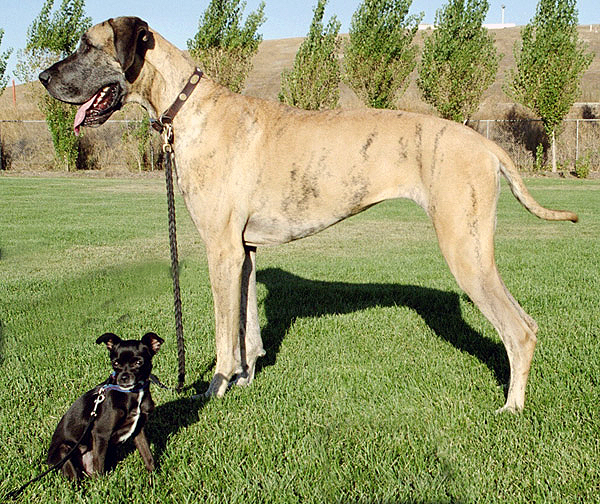


Characteristics and breed traits
Breeds are developed to emphasize particular physical and behavioral traits. Size, coat type, skull shape, gait and instinctive behaviors are among features that breeders select over generations. For example, the Bulldog is known for a compact body and shortened muzzle, while the Greyhound has a slender frame adapted for speed. A purebred's pedigree documents its ancestors within the same lineage, helping preserve consistent traits.
History and registries
Many modern breeds were standardized in the 19th and early 20th centuries when kennel clubs established written breed standards and began maintaining registries. Studbooks, conformation standards and specialist clubs promoted distinct breed identities. Over time, breed societies and national clubs have published guidelines for judging, breeding and recordkeeping; these resources are central to how the term breed is applied in practice.
Uses and examples
Purebred dogs are bred for a wide range of roles: companionship, hunting, herding, guarding, search and rescue, and assistance work, among others. Functional breeding produced groups such as sighthounds, retrievers and herding dogs, each reflecting a history of specialized tasks. Breed-specific information from clubs and breed associations helps owners and professionals understand typical abilities and needs.
Health, ethics and notable distinctions
Purebred status does not ensure robust health. Some breeds face inherited disorders linked to limited genetic diversity or selection for extreme physical features. Responsible breeding practices include health screening, avoiding excessive inbreeding and prioritizing temperament and welfare. Mixed-breed dogs may have greater genetic variation, but both purebred and mixed dogs benefit from veterinary care and ethical breeding standards. For more detailed guidance consult national kennel clubs, breed organizations and veterinary sources available through official channels and specialist groups. Bulldog and Greyhound illustrate how form follows function in breed history and why breed standards matter to preservation and welfare.
Related articles
Author
AlegsaOnline.com Purebred dog: definition, breeds, and considerations Leandro Alegsa
URL: https://en.alegsaonline.com/art/80131