
Purple frog (Nasikabatrachus sahyadrensis)
A compact overview of the purple frog, an unusual, burrowing frog from India’s Western Ghats: appearance, life history, discovery, ecological role and conservation concerns.
Overview
The purple frog (Nasikabatrachus sahyadrensis) is a distinctive, stout-bodied amphibian native to the Western Ghats of southern India. Recognized by its dark purplish skin, rounded body and a pointed, pig‑like snout, it is commonly called the Indian purple frog, pignose frog or doughnut frog. Its discovery in 2003 drew attention because the species represents an ancient evolutionary lineage with few close relatives and unusual ecological traits.
Image gallery
6 Images



Physical characteristics and behaviour
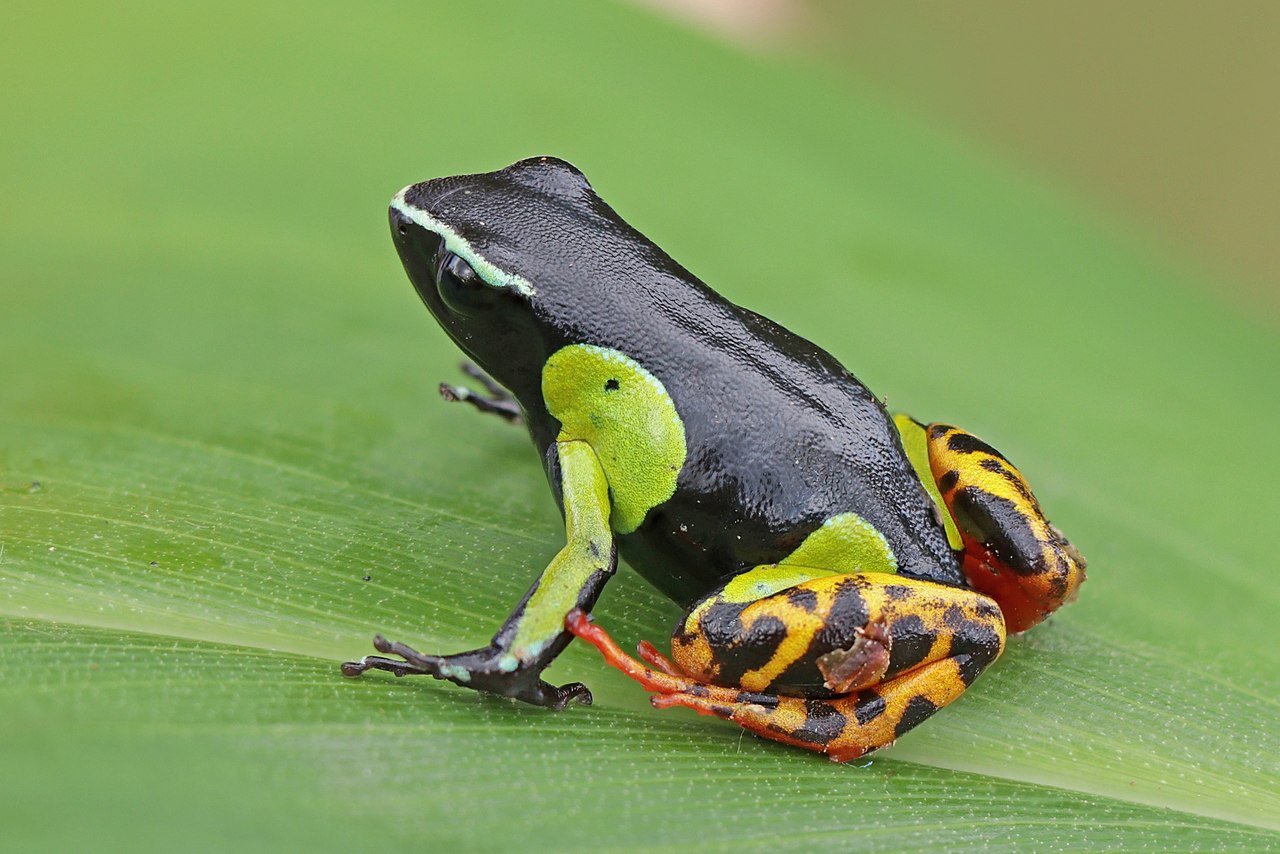
Adults have a compact, rounded form with a small head and a sharply projecting snout adapted for digging. The skin is typically a deep purple or bluish-purple hue. The species is highly fossorial: it spends most of the year underground in burrows and emerges for a short period during the rainy season to breed. Its vocalizations are reported to be unusual among frogs, sometimes likened to the cluck of a bird.
Life cycle and diet
Breeding is closely tied to the monsoon rains. Adults surface for a brief, explosive breeding season when males call to attract females and eggs are laid in aquatic habitats created by monsoon streams and pools. Larval development proceeds in water. Unlike many other digging frogs that forage above ground, the purple frog primarily feeds underground on subterranean prey, especially termites, using a protrusible, sticky tongue suited to capturing small invertebrates within the soil.
Discovery and evolutionary significance
The species was described by S. D. Biju and F. Bossuyt in 2003 and attracted international interest because it represents a relict lineage. Molecular and anatomical studies have placed it in its own family, Nasikabatrachidae, and noted affinities with other ancient frog groups, providing insight into biogeographic connections that date back to Gondwanan times. The purple frog therefore has importance for studies of amphibian evolution and continental drift.
Conservation, threats and importance
The purple frog is considered at risk because of its restricted range in the Western Ghats and the pressures on that landscape from agriculture, deforestation, infrastructure development and changes to monsoon-driven breeding sites. Its subterranean lifestyle makes population monitoring difficult. Conservation measures include protecting habitat, maintaining stream and soil integrity during the breeding season, and raising local awareness of the species’ uniqueness. As a specialist termite predator, it also plays a role in controlling soil invertebrate communities.
Notable facts and related species
- The species emerges for only a short period each year to reproduce, making its breeding behaviour an "explosive" event concentrated in the monsoon.
- It was long unknown to science despite being relatively large and distinctive, because of its subterranean habits.
- A closely related species, Bhupathy’s purple frog, has been described from nearby parts of the Western Ghats, highlighting the region’s endemic amphibian diversity.
Further reading and resources
- Taxonomic overview and species account
- Comparative studies with related frog families
- Western Ghats biodiversity context
- Regional conservation assessments in India
- Field identification and colour notes
- Descriptions of vocalisations and behaviour
- Monsoon ecology and breeding timing
- Feeding ecology: diet and termite predation
- Information on Bhupathy’s purple frog and related species
Note: This article summarizes broadly accepted knowledge about the purple frog. For technical details, original descriptions and the latest conservation status consult specialist literature and regional conservation authorities.
Questions and answers
Q: What is the scientific name of the purple frog?
A: The scientific name of the purple frog is Nasikabatrachus sahyadrensis.
Q: Where does the purple frog live?
A: The purple frog lives in the Western Ghats in India.
Q: What are some common names for the purple frog?
A: Some common names for the purple frog are Indian purple frog, pignose frog, and doughnut frog.
Q: Who discovered the purple frog?
A: The purple frog was discovered by S.D. Biju and F. Bossyut in October 2003.
Q: What color is the purple frog?
A: The purple frog is typically dark purple in color.
Q: When does the purple frog come out of its underground habitat?
A: The purple frog comes out of its underground habitat for about two weeks during the monsoon to mate.
Q: What does the purple frog eat?
A: The purple frog feed mainly on termites using their tongue, and unlike many other digging species of frogs that feed above the ground, this species eats underground.
Related articles
Author
AlegsaOnline.com Purple frog (Nasikabatrachus sahyadrensis) Leandro Alegsa
URL: https://en.alegsaonline.com/art/80142
Sources
- doi.org : 10.2305/IUCN.UK.2004.RLTS.T58051A11722468.en
- research.amnh.org : research.amnh.org/herpetology/amphibia/index.php
- news.nationalgeographic.com : "New Purple Pig-Nose Frog Found in Remote Mountains"
- thehindu.com : "'N. phupathi', a frog with the face of a pig"
- amphibiaweb.org : "A new species of the genus Nasikabatrachus (Anura, Nasikabatrachidae) from the eastern slopes of the Western Ghats, India"