
Pygmy cormorant (Microcarbo pygmaeus)
A small cormorant species of the Phalacrocoracidae family found in southeastern Europe and the Middle East, known for colonial breeding in wetlands and fish-eating diving behavior; of regional conservation concern.
Overview
The pygmy cormorant, Microcarbo pygmaeus, is a small member of the cormorant family. It is closely associated with wetlands and inland waters and is often seen in colonies alongside other waterbirds. As a diving piscivore, it is widely recognized for its fishing habit and tendency to dry its wings after swimming. The species belongs to the broader family Phalacrocoracidae and is one of the smaller representatives among seabirds and waterbirds.
Image gallery
6 Images




Characteristics and behavior
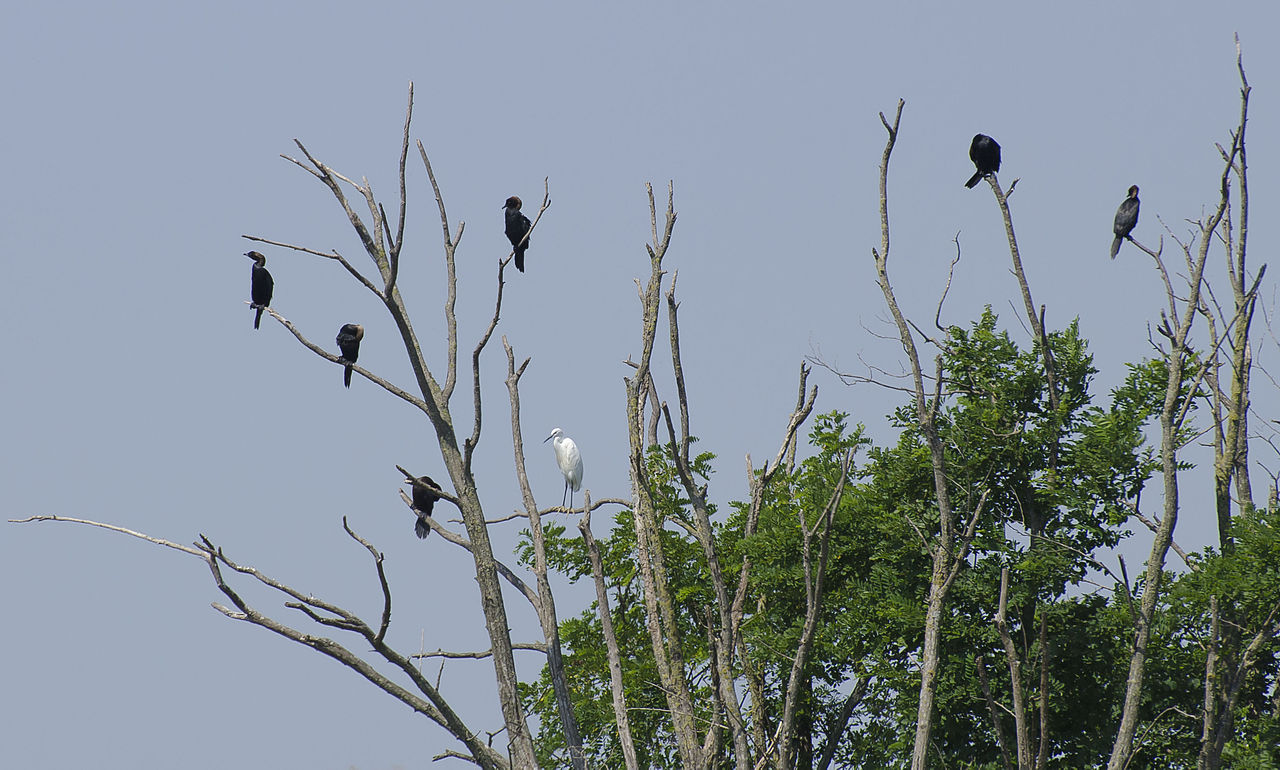
Adults have a generally dark, glossy plumage, a slender neck and a relatively short bill compared with larger cormorants. In breeding season they may show subtle white markings or a slight crest. Pygmy cormorants are agile swimmers and pursue fish underwater, emerging to perch on branches, rocks or reed stems to dry and preen.
Habitat and distribution
The species favors freshwater and brackish habitats: rivers, lakes, marshes, deltas and sheltered coastal lagoons. Its historic and current range centers on southeastern Europe, the Black Sea and Caspian basins, extending into parts of the Middle East. It breeds in colonies, often in trees or dense reedbeds, and may shift sites according to water levels and human disturbance.
Diet consists mainly of small fish and aquatic invertebrates. Foraging typically involves diving from the surface and swimming underwater to chase prey; adults feed young with regurgitated fish brought back to the nest.
Conservation and human interactions
- Threats: habitat loss, wetland drainage, disturbance at breeding colonies and pollution have reduced local populations in parts of the range.
- Conservation: protection of wetlands, management of water levels, creation of reserve colonies and monitoring are common measures used to support populations.
- Notable facts: the species illustrates how small waterbirds depend on healthy wetland networks and can act as indicators of aquatic ecosystem health.
Understanding and protecting the pygmy cormorant helps conserve broader wetland biodiversity and sustain the fisheries and ecosystem services those habitats provide.
Related articles
Author
AlegsaOnline.com Pygmy cormorant (Microcarbo pygmaeus) Leandro Alegsa
URL: https://en.alegsaonline.com/art/80215