
Pygmy slow loris (Nycticebus pygmaeus): small nocturnal primate
A compact encyclopedia entry on the pygmy slow loris: appearance, behavior, range across Southeast Asia, diet, reproduction, and conservation challenges.
Overview
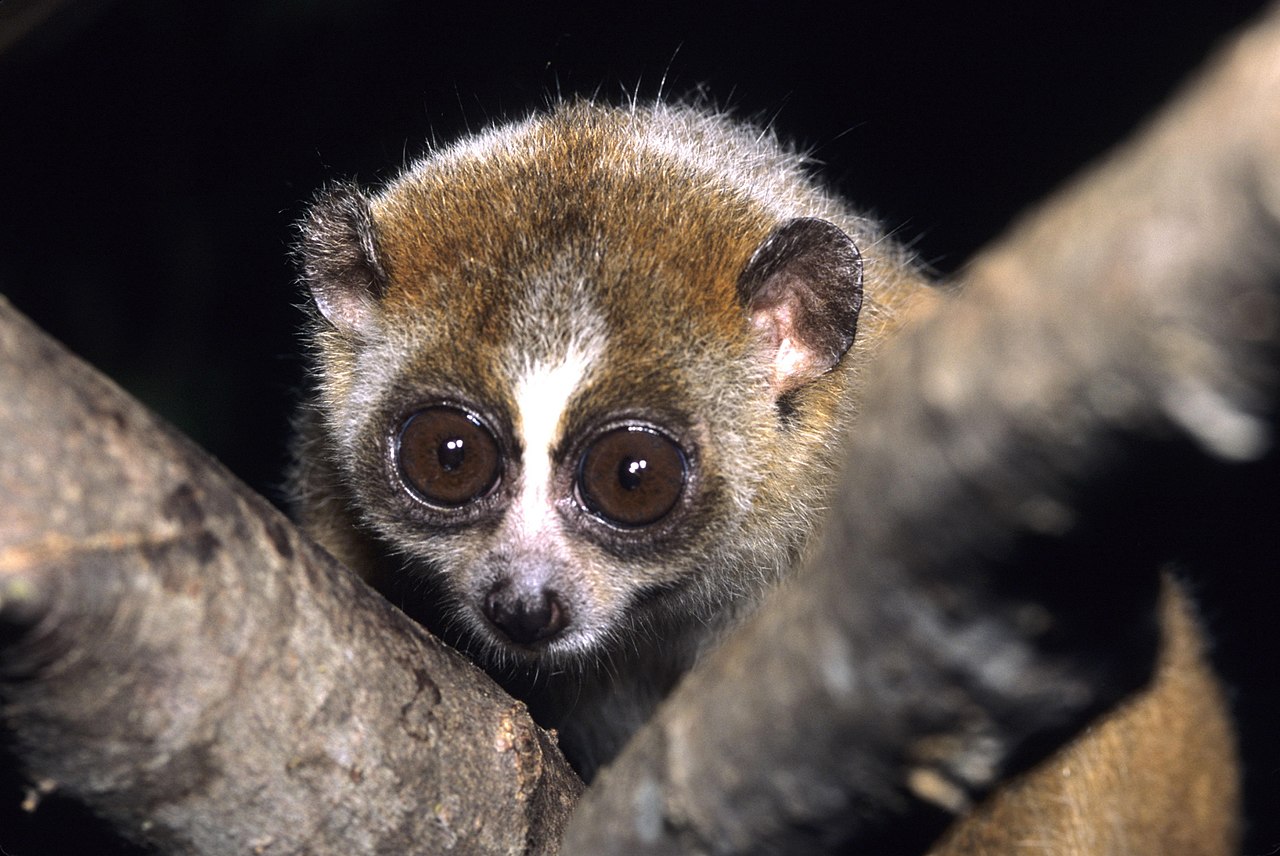
The pygmy slow loris (Nycticebus pygmaeus) is a small, nocturnal primate known for its large eyes, slow deliberate movements, and a gentle appearance. It is one of several species classified among the slow lorises; for further context see related species and the broader group of slow lorises. Classified as vulnerable by conservation authorities, this primate is noted for specialized behaviours and an unusual mixture of defenses, social traits and dietary flexibility.
Image gallery
10 Images




Physical characteristics and adaptations
Pygmy slow lorises are compact and cryptic. Their adaptations include forward-facing large eyes for night vision, a reduced tail, and a strong grip adapted for clinging to branches. Notable features include a moist nose typical of strepsirrhine primates and a slow metabolism that supports a sit-and-wait feeding style.
- Size and build: small, round head, short limbs adapted to climbing
- Sensory adaptations: large eyes, acute hearing and smell
- Defense: slow movements, camouflage, and, in related species, a mild toxin secreted from glands (reported across slow lorises)
Range and habitat
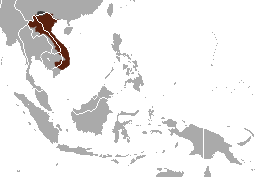
Pygmy slow lorises inhabit dense, mixed forests and bamboo thickets. They are native to parts of mainland Southeast Asia and southern China, with wild populations recorded in Vietnam, Laos, China, Thailand and some areas of Cambodia. Typical habitats include primary and secondary forests, disturbed woodlands, and bamboo groves where they can move between branches at night.
Behavior, diet and reproduction
Pygmy slow lorises are primarily nocturnal and largely solitary or found in loosely associated pairs. Their diet is omnivorous and opportunistic: it includes tree gums, nectar, fruits, insects and small vertebrates. They move slowly and deliberately, which helps avoid detection by predators. Reproduction is seasonal in many populations; females typically give birth to one or two young after a gestation period typical for lorises. Parental care is mostly maternal, with infants clinging to the mother or left in safe sites while she forages.
Conservation, threats and human interactions
Habitat loss through deforestation and conversion to agriculture is the principal threat to pygmy slow lorises. They are also affected by the illegal pet trade and use in some traditional practices. Conservation measures include habitat protection, law enforcement against trafficking, and rehabilitation programs. Public education and research into population distribution are important for long-term survival. For further reading on habitats and conservation status see sources about forest types and regional conservation efforts: forest and bamboo.
Because they occupy a niche in forest ecosystems and have distinctive ecological roles, protecting pygmy slow lorises contributes to broader biodiversity goals across their range. For more on related primate groups and conservation frameworks consult specialized resources: primate references.
Questions and answers
Q: What is the pygmy slow loris?
A: The pygmy slow loris is a small nocturnal primate with large eyes.
Q: Where do pygmy slow lorises live?
A: They live in thick forest and bamboo groves in Vietnam, Laos, China, Thailand, and parts of Cambodia.
Q: What is the status of pygmy slow lorises?
A: Their status is "vulnerable" because their habitat is being reduced.
Q: Are pygmy slow lorises diurnal or nocturnal?
A: They are nocturnal animals.
Q: What is the size of pygmy slow lorises?
A: They are small in size.
Q: What is the difference between pygmy slow loris and other species of slow loris?
A: Pygmy slow loris is one of the species of slow loris, but it is smaller in size compared to others.
Q: What is the habitat of pygmy slow loris?
A: Pygmy slow loris lives in thick forest and bamboo groves.
Related articles
Author
AlegsaOnline.com Pygmy slow loris (Nycticebus pygmaeus): small nocturnal primate Leandro Alegsa
URL: https://en.alegsaonline.com/art/80220
Sources
- lpzoo.org : "Pygmy slow loris - Lincoln Park Zoo"
- arkive.org : "Pygmy loris videos, photos and facts - Nycticebus pygmaeus"
- lemur.duke.edu : "Pygmy slow loris - Duke Lemur Center"