
Puppy Linux — a lightweight, portable GNU/Linux distribution
Puppy Linux is a compact, user-oriented GNU/Linux distribution designed to run from removable media or old hardware, known for small size, speed, and tools for frugal installation and live sessions.
Overview
Puppy Linux is a small, fast GNU/Linux distribution created to run comfortably on modest hardware and to boot as a live system from CD, USB stick or other removable media. Typical Puppy images are unusually compact (often around 100 MB), and the distribution emphasizes speed, simplicity and the ability to load the operating system into RAM for rapid performance.
Image gallery
10 Images



Characteristics and components
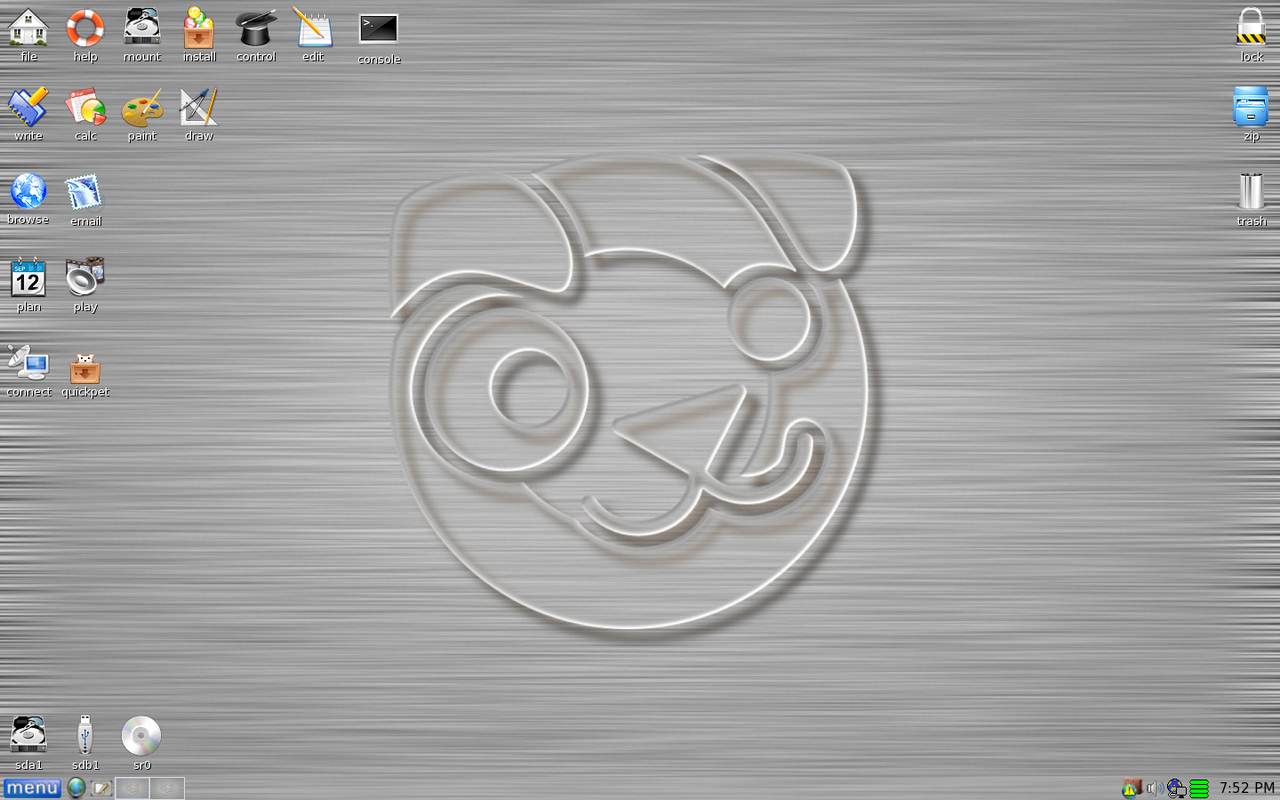
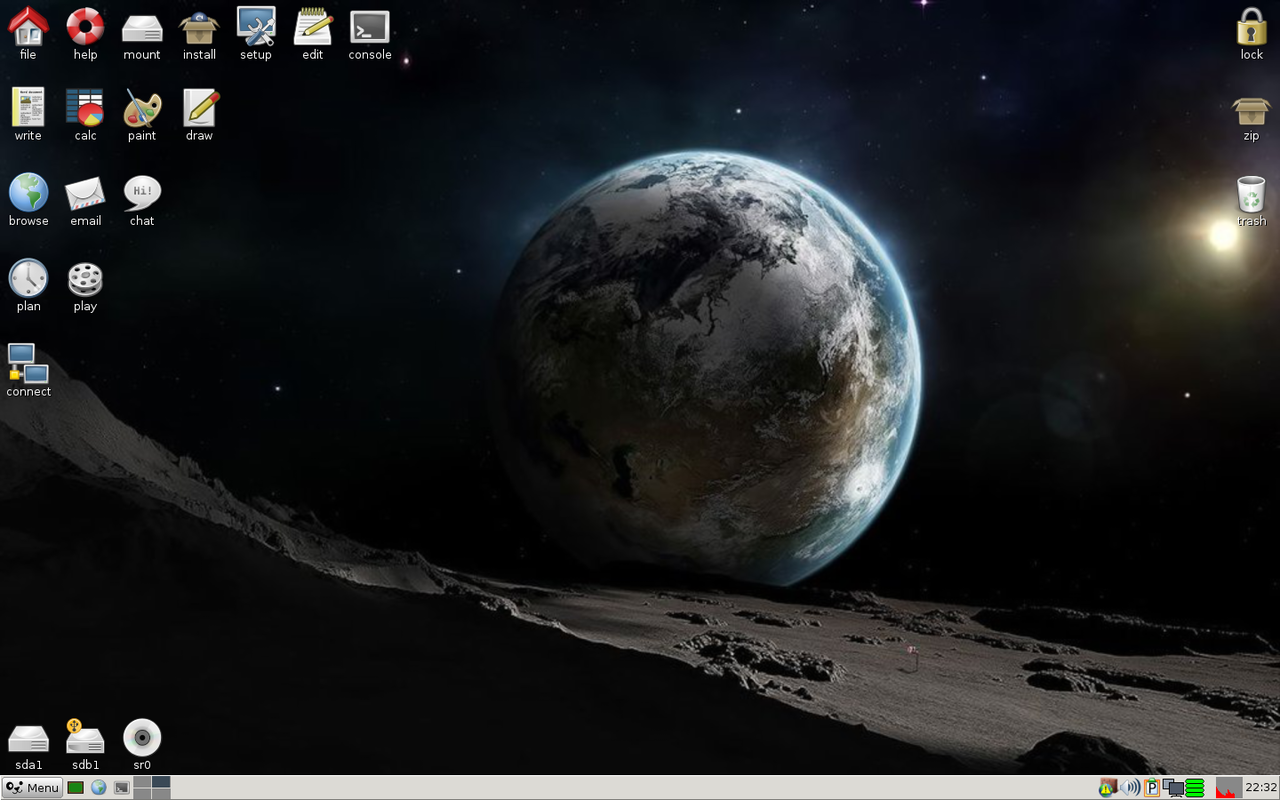
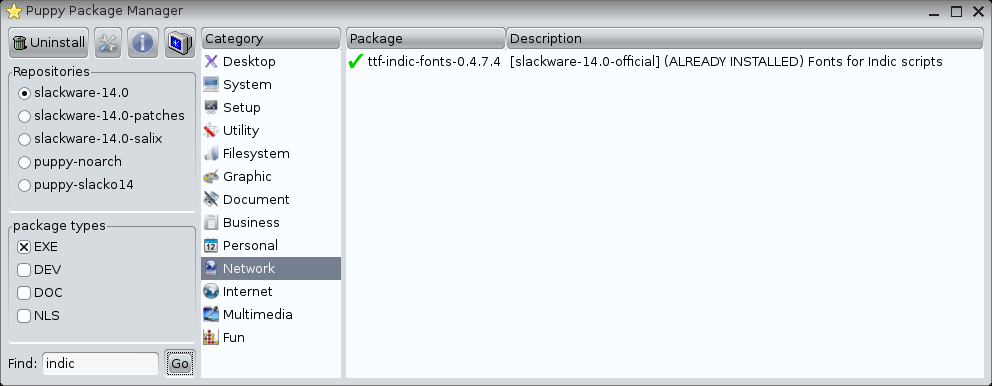
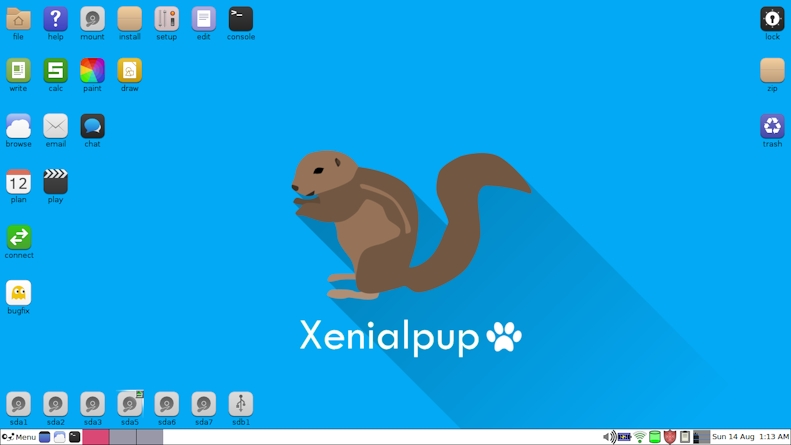
Puppy delivers a complete desktop environment with a selection of lightweight applications for web browsing, text editing, multimedia and system configuration. It commonly uses lightweight window managers such as JWM or IceWM, and supports two main packaging concepts: small, native packages (often called ".pet" packages) and compressed module files (SquashFS-style SFS files) that can be layered onto the base system. Many builds include graphical tools for hardware detection, package management and backing up or restoring persistent changes.
History and development
The project was started by Barry Kauler in June 2003 and grew quickly thanks to an active community of users and contributors. Over time Puppy has produced multiple variants and community editions that combine Puppy concepts with different binary bases or specialized application sets. Development has emphasized practical choices: minimal base images, easy customization, and straightforward methods to save sessions and installed software to a persistent file or partition.
Typical uses and importance
Puppy Linux is widely used for reviving older computers, creating rescue and diagnostic media, or running a portable personal environment from a USB stick. Because it can operate entirely in RAM, a Puppy session can remain responsive even on machines with limited disk speed. Its small footprint also makes it useful for quick demonstrations, classroom use, and situations where a compact, self-contained operating system is desirable.
Notable facts and distinctions
- Frugal install: Puppy can be installed in a way that coexists with other operating systems and uses very little disk space.
- Session persistence: Changes, personal files and installed packages are normally saved to a single file or folder, allowing easy portability.
- Community-driven variants: Several community builds and derivatives adapt Puppy to different needs or binary bases while keeping the small-and-fast philosophy.
For official information, documentation and downloads, see the project's resources: Official site, Documentation and guides, and community forums or discussion pages at Community resources.
Related articles
Author
AlegsaOnline.com Puppy Linux — a lightweight, portable GNU/Linux distribution Leandro Alegsa
URL: https://en.alegsaonline.com/art/80112