
Psychobilly: a fusion of punk and rockabilly music and culture
Psychobilly is a high-energy hybrid of punk rock and rockabilly, noted for upright slap-bass, fast tempos, horror and retro imagery, and a three-piece band format that blends vintage and punk aesthetics.
Overview
Psychobilly is a fast, rhythmic style of rock that fuses 1950s rockabilly with the speed and attitude of punk rock. Its songs often draw on noir, horror and science-fiction themes and combine retro melodies with aggressive delivery. The term is used for both the music and an associated subculture that blends vintage 1950s styling with punk fashion and imagery. Fans and musicians frequently place emphasis on theatricality, inked skin and stage antics.
Image gallery
10 Images




Musical characteristics
The sound of psychobilly typically features driving, up-tempo rhythms, twangy or distorted guitar lines and percussive bass techniques. Vocals range from shouted punk phrasing to sung rockabilly croons. Some tracks incorporate heavier or contrasting influences such as thrash or country, creating varied textures within the same scene.
- Core influences: psychobilly, punk rock, rockabilly
- Occasional crossovers: thrash metal and country elements appear in some songs
- Typical instruments: electric guitar, upright or electric bass, drums, and rugged vocals
Instrumentation and performance
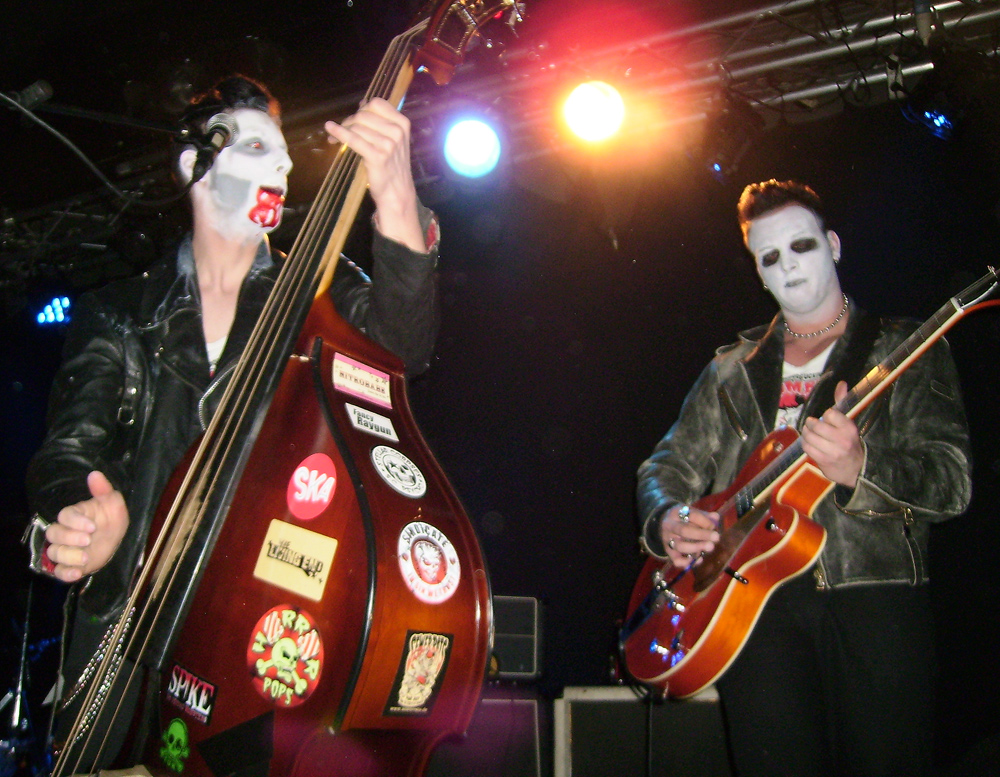
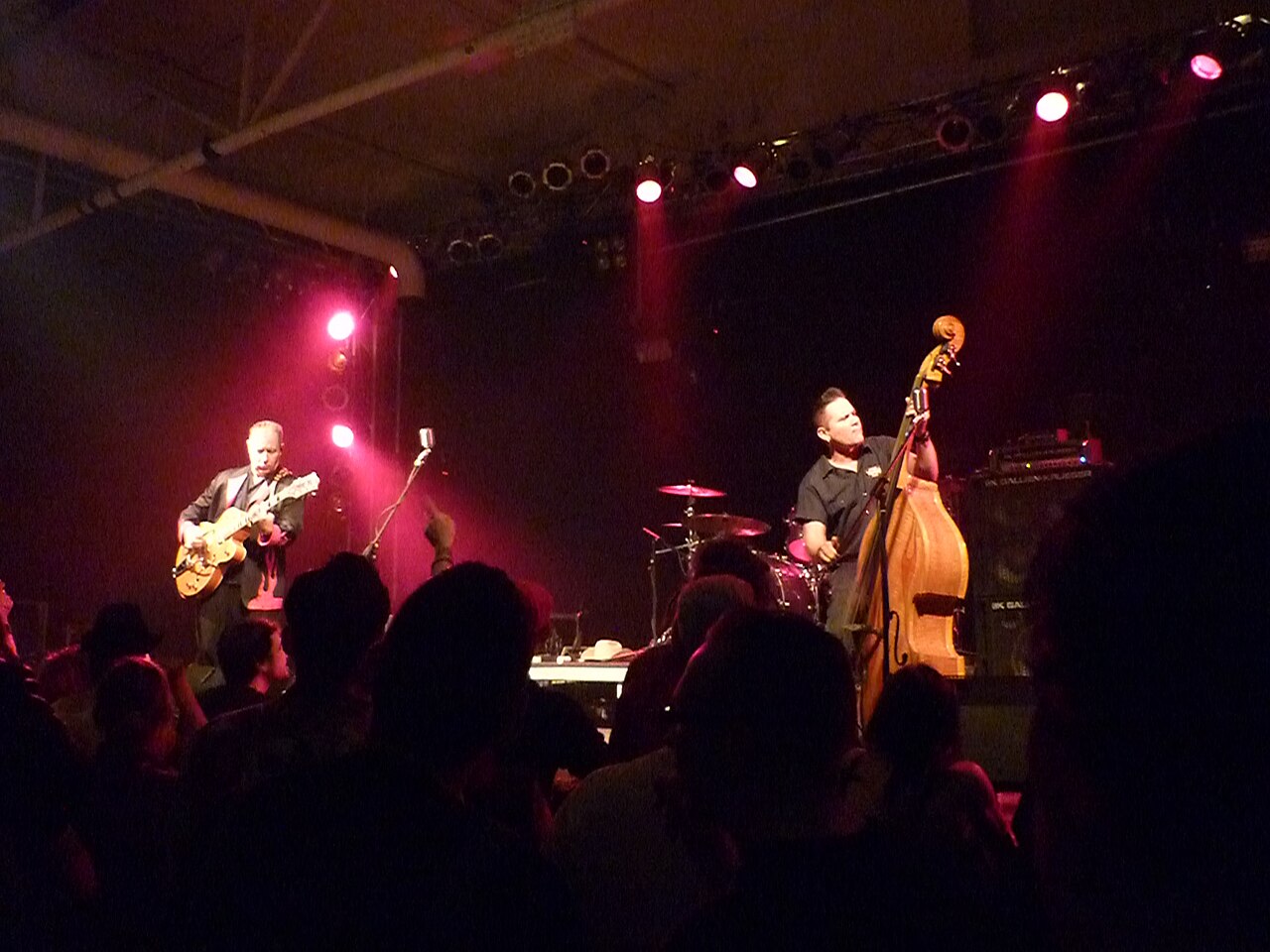
Many psychobilly groups are compact trios with guitar, bass and drums; the guitarist or bassist often doubles as lead singer. A hallmark is the slapped or percussive technique on the double bass, producing a throbbing low end that propels fast songs. Live performances are energetic and theatrical, favoring stage presence over precise studio polish.
History and development
The style emerged in the late 1970s and early 1980s as punk musicians revisited early rock 'n' roll forms. Bands in the UK played a prominent role in shaping the genre's identity. While the Meteors are commonly cited as an early and influential example, psychobilly spread quickly through small labels, club scenes and international tours, developing distinct regional scenes across Europe and North America.
Culture, fashion and notable facts
Visually, psychobilly mixes 1950s fashion—pompadours, leather jackets and retro shirts—with punk elements such as tattoos, studs and occasionally shaved or partially shaved hairstyles. The lyrical content often revels in pulp narratives, B-movie motifs and dark humor. Important contemporary bands and events have kept the genre active, with dedicated festivals and strong local scenes across several countries.
Where to learn more
For introductions and deeper context see linked overviews on the genre and its components: further reading on vocals, plus sources on the musical influences and instruments already cited above. These resources offer entry points to listening guides, historical sketches and community pages that document psychobilly's continuing evolution and influence.
Related articles
Author
AlegsaOnline.com Psychobilly: a fusion of punk and rockabilly music and culture Leandro Alegsa
URL: https://en.alegsaonline.com/art/79855