
Pub rock (UK): a mid‑1970s back‑to‑basics live music movement
British pub rock was a short-lived mid‑1970s movement that restored live, small‑venue rock with a stripped-down style and paved the way for punk's emergence.
Pub rock in the United Kingdom was a grassroots musical movement of the mid‑1970s that emphasized straightforward, live rock played in small pubs and clubs rather than large arenas. It rejected the elaborate production and theatricality of contemporary mainstream styles and helped revive local gig circuits where bands and audiences mixed closely. This scene is often described as a return to direct, working‑class rock performance and community‑based music making.
Image gallery
2 Images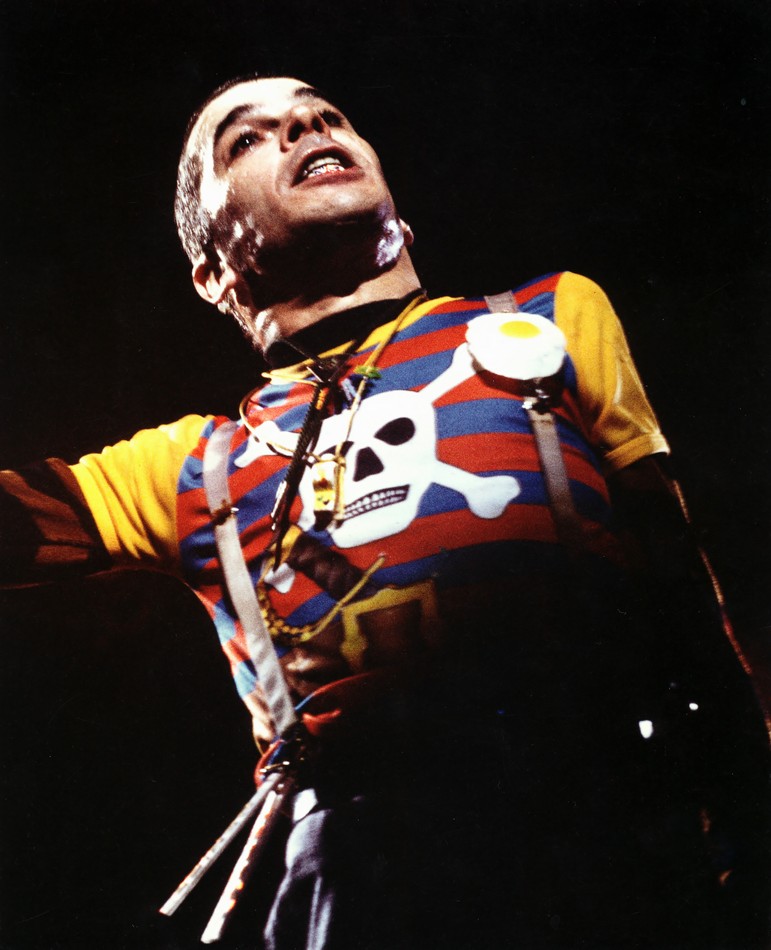

Characteristics
Musically, the style favored short, punchy songs, economical arrangements and a rhythm‑driven approach rooted in rhythm and blues, rockabilly and early rock 'n' roll. Bands limited studio gloss and focused on accessible songs that worked well in cramped rooms. Key features included:
- emphasis on live sound and audience interaction
- minimal use of theatrical costumes or elaborate stagecraft
- DIY and low‑budget recording or self‑release strategies
- songwriting that often drew on everyday themes rather than grandiose concepts
History and development
The movement emerged in London and nearby urban areas when small venues opened their doors to rock bands that could deliver steady, intimate live performances. It formed in part as a reaction against progressive rock and glam rock, which many musicians and listeners viewed as overly complex or ostentatious. Pub rock venues reestablished a regular circuit for working bands and offered an alternative professional path to national exposure.
Although short‑lived as a distinct commercial wave, the scene produced several groups and performers who are still cited as influential. Acts associated with the scene often combined rough‑edged musicianship with a working‑class sensibility; some later adopted faster tempos or harder attitudes that contributed directly to the burgeoning punk movement.
For introductions to the topic and genre listings, see general overviews on music genre guides and period histories at 1970s scene retrospectives. More focused profiles and band biographies are available via curated archives at regional music sites and oral histories at scene documentaries. Scholarly and fan accounts that examine the link between pub rock and punk can be found through articles and essays at popular music journals and scene anthologies at archive collections.
Although it did not become a dominant commercial genre, pub rock's legacy lies in restoring live, affordable performance spaces and in influencing a generation of musicians toward a simpler, more immediate form of rock that helped make punk possible. The movement also served as a reminder that small‑scale venues and close community ties are vital to musical innovation and local culture.
Related articles
Author
AlegsaOnline.com Pub rock (UK): a mid‑1970s back‑to‑basics live music movement Leandro Alegsa
URL: https://en.alegsaonline.com/art/79888
Sources
- britannica.com : "pub rock"