
Province of Teruel
Teruel is a sparsely populated province in eastern Spain’s Aragon region, known for rugged mountains, medieval towns, Mudéjar architecture and a northeastern Catalan‑speaking area.
Overview
Teruel is a province in the autonomous community of Aragon, in the eastern interior of Spain. Its capital city, Teruel, gives the province its name. The territory covers roughly 14,800 km² and has one of the lowest population densities in the country, with a population on the order of 130–140 thousand in recent years. Much of the province is rural and mountainous, which has shaped its economy and settlement patterns.
Image gallery
1 Image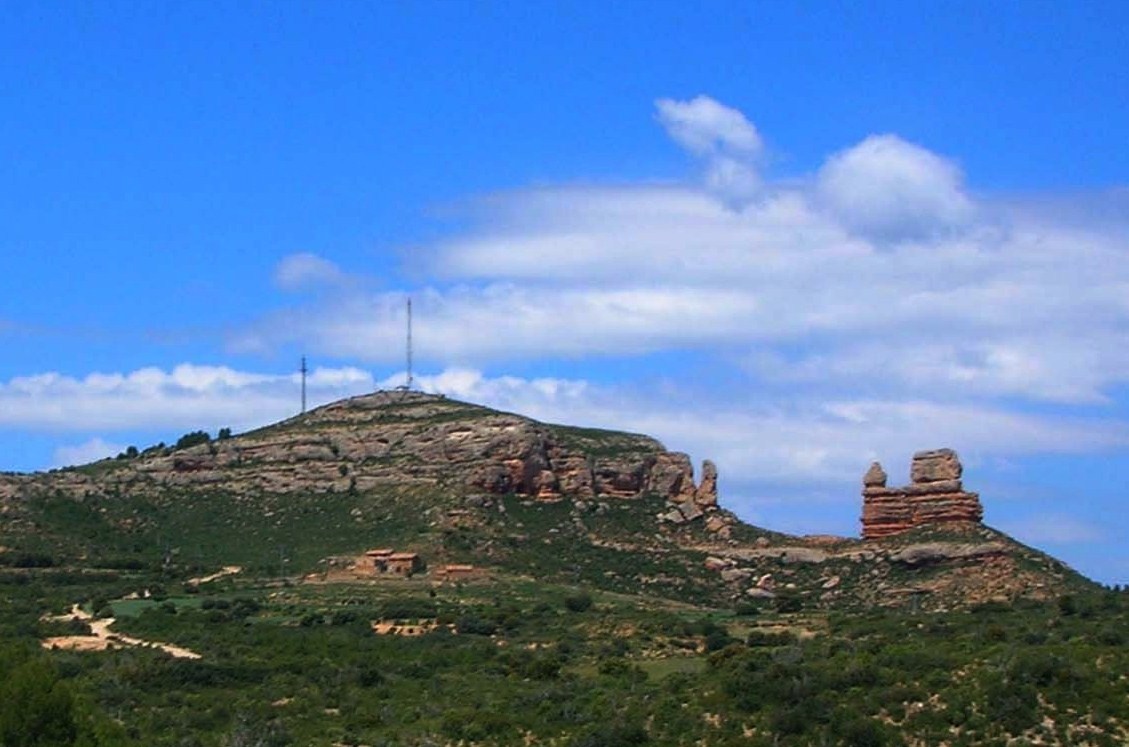
Geography and borders
Teruel is landlocked and bordered by several provinces: Tarragona and Castellón to the east, the Valencian province of Valencia (including its inland exclave, Rincón de Ademuz), Cuenca and Guadalajara to the south and west, and Zaragoza to the north. The landscape is dominated by ranges of the Sistema Ibérico, including the Sierra de Albarracín and the Maestrazgo area, with river valleys cutting through high plateaus.
Population, language and society
The province is notable for its sparse population and demographic decline in many municipalities, a pattern often described in Spain as the "emptying" of rural areas. Spanish is the official language throughout, while a northeastern strip bordering Catalonia also preserves varieties of Catalan spoken by local communities. The capital concentrates a significant share of the province’s residents, but most settlements are small towns and villages.
History and culture
Teruel has a long history visible in medieval urban layouts, fortifications and distinctive Mudéjar architecture—brick towers and ornamental tilework—found in the city of Teruel and nearby towns. The region’s past includes Roman and medieval eras, and local legends and festivals reflect a rich cultural heritage that attracts cultural tourism.
Economy, nature and tourism
The economy combines agriculture, livestock, forestry and growing tourism focused on nature, heritage and outdoor activities. Visitors come for historic centers such as Albarracín, mountain scenery, walking routes, and stargazing opportunities due to low light pollution. The province also contains paleontological sites and protected natural areas that contribute to scientific interest and rural tourism.
Notable places
- Teruel (capital) and its Mudéjar monuments
- Albarracín — medieval town and scenic setting
- Sierra de Albarracín and Maestrazgo natural areas
- Small rural municipalities illustrating Spain’s demographic challenges
Related articles
Author
AlegsaOnline.com Province of Teruel Leandro Alegsa
URL: https://en.alegsaonline.com/art/79709