
Province of Vicenza
Province in the Veneto region of northeastern Italy with capital Vicenza. Noted for Palladian architecture, varied landscapes from plains to prealpine plateaus, and a strong industrial and jewellery tradition.
The Province of Vicenza (Provincia di Vicenza) is an administrative area in northeastern Italy, forming part of the Veneto region. Its capital is the city of Vicenza, a long-established centre of art, industry and commerce. The province combines fertile lowlands, rolling prealpine hills and mountainous plateaus, creating a mix of agricultural plain and upland terrain that supports both farming and outdoor recreation.
Geography: Lying between the Venetian plain and the foothills of the Dolomites, the territory includes river valleys carved by waterways such as the Brenta and upland areas that receive snow in winter. Major towns besides the capital include Bassano del Grappa, Schio and Asiago; together they link urban manufacturing districts with rural and touristic zones.
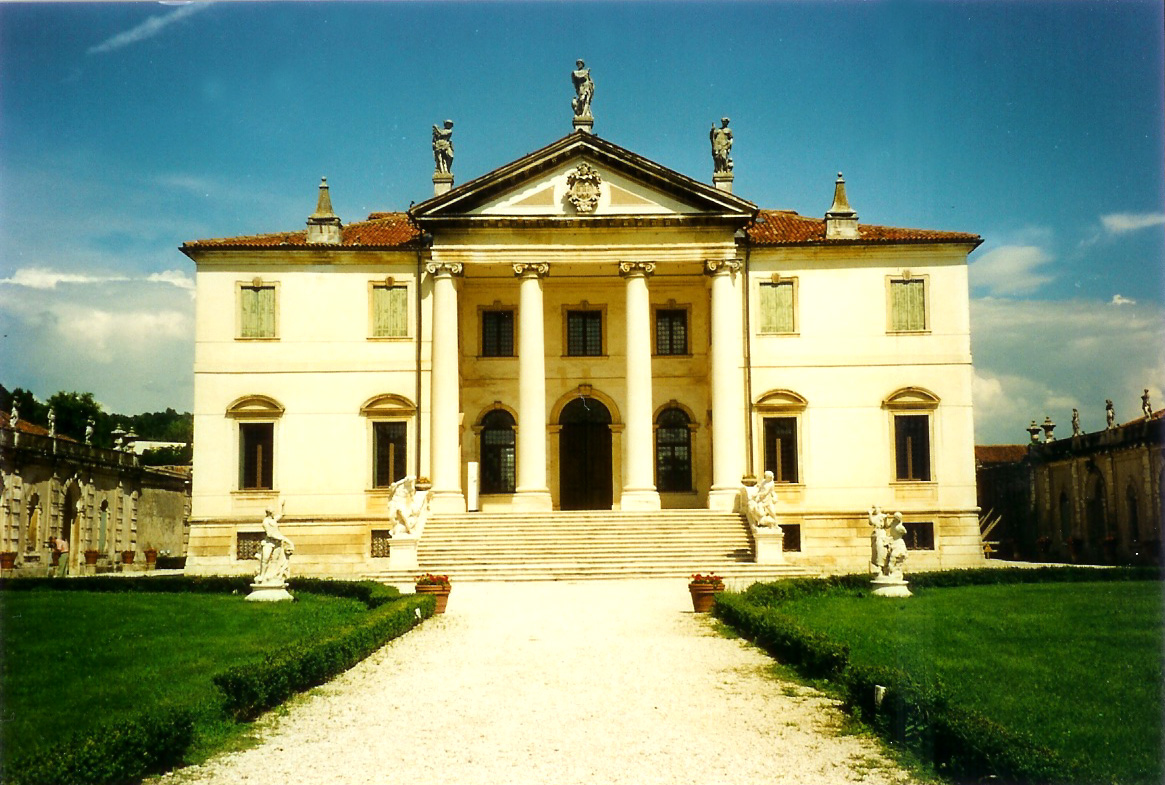
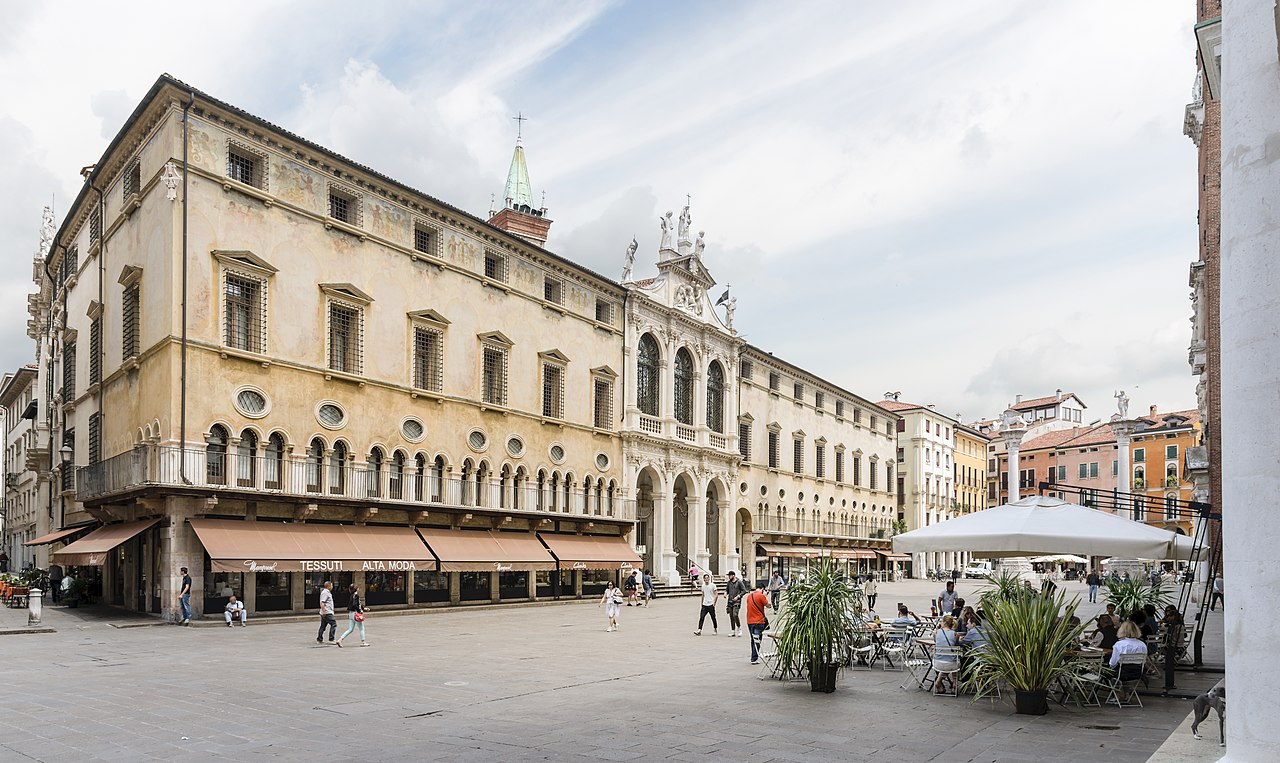
History: The area shows continuous settlement from Roman times through medieval communes and the centuries of Venetian rule. Architectural development reached a peak in the Renaissance when Andrea Palladio left a lasting imprint on villas, churches and public buildings. Several of these Palladian works form part of a UNESCO World Heritage designation and shape the province's cultural identity.
Economy and society: Vicenza hosts a diversified economy: a dense network of small and medium-sized enterprises produces machinery, textiles, furniture and jewellery. The city is internationally recognised for goldsmithing and hosts important trade events; its economy is export-oriented while local services sustain surrounding towns and villages.
Culture and tourism: The province draws visitors for its built heritage, museums and theatrical traditions as well as outdoor activities. Gastronomy and seasonal festivals reflect both Venetian lowland and alpine influences. Conservation efforts balance industrial activity with protection of scenic hills and natural areas.
Image gallery
10 Images


Notable features
- Architectural legacy of Andrea Palladio, with important sites referenced here (details).
- A long-standing jewellery and gold district centred on the city of Vicenza, known for craftsmanship and trade fairs.
- Combination of industrial strength, historical towns and accessible mountain landscapes that support tourism, agriculture and light manufacturing.
Related articles
Author
AlegsaOnline.com Province of Vicenza Leandro Alegsa
URL: https://en.alegsaonline.com/art/79725
Sources
- provincia.vicenza.it : "Il Presidente"
- tuttitalia.it : "Provincia di Vicenza"
- demo.istat.it : "Statistiche demografiche ISTAT"
- peakbagger.com : "Cima Dódici, Italy"
- tuttitalia.it : "Comuni in provincia di Vicenza per popolazione"