
Province of Vercelli
Province in the Piedmont region of northern Italy, notable for rice cultivation, alpine valleys (Valsesia), historic towns and medieval manuscripts such as the Vercelli Book.
The Province of Vercelli is an administrative area in northern Italy whose capital is the city of Vercelli. It lies within the broader jurisdiction of regional authorities (regional overview) in Piedmont, and forms part of the national territory of Italy. The province combines lowland plains and mountainous valleys, giving it a mix of agricultural, industrial and mountain cultures.
Image gallery
7 Images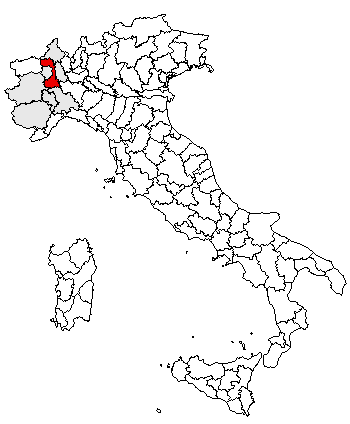




Geography and landscape
The territory stretches from the flat Po Valley — a vast plain where rice paddies dominate — northward into the lower slopes and valleys of the southern Alps. The Sesia River and its tributaries cut through the northern part of the province, creating the Valsesia area of steep valleys, forests and alpine meadows. This contrast between irrigated plains and upland terrain shapes local climate, land use and settlement patterns.
Economy and land use
Agriculture is a defining feature: the province is one of Italy’s principal rice-producing areas, with extensive flooded fields fed by an intricate irrigation network. Beyond rice, farms grow cereals, forage and some vineyards on suitable slopes. Manufacturing and services are concentrated in the main towns, while tourism focuses on outdoor activities in the Valsesia valleys — hiking, climbing and winter sports in higher elevations.
History and culture
Settlement in the area dates back to antiquity and the middle ages; over centuries the province developed as a mix of rural communities and market towns. Vercelli city preserves medieval and Renaissance architecture and houses important historical collections, including medieval manuscripts of wide scholarly interest. Local traditions reflect both plain and mountain ways of life, with food, crafts and festivals tied to seasonal cycles.
Towns, administration and transport
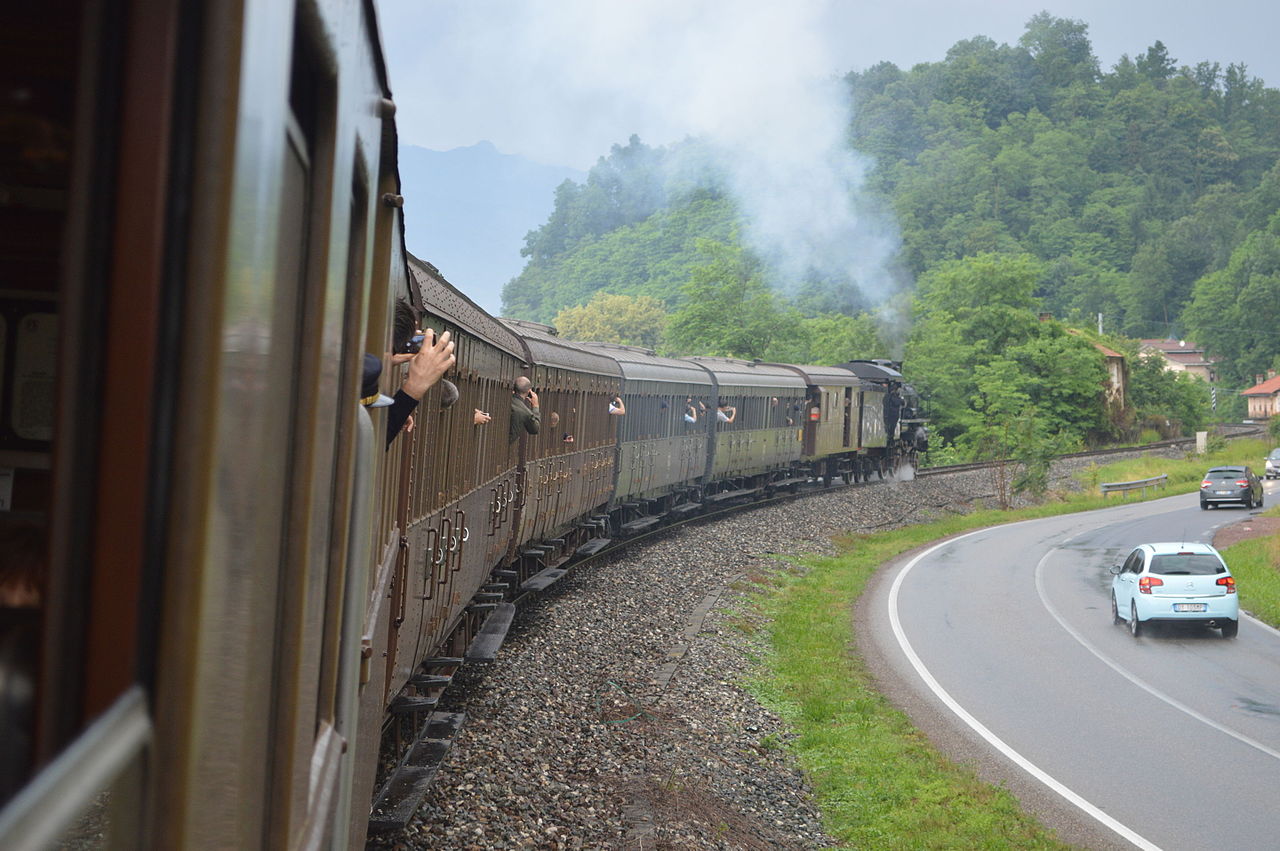
The provincial seat administers a network of municipalities that range from the provincial capital to smaller communes such as Borgosesia and mountain villages like Alagna Valsesia. Transport links connect the plain to regional centers by road and rail, while narrower mountain routes and trails provide access to alpine hamlets. Local governance concentrates on balancing agricultural use, heritage conservation and tourism development.
Notable facts and distinctions
- Known regionally for extensive rice cultivation and related cuisine.
- Contains the Valsesia valleys, valued for outdoor recreation and scenic landscapes.
- Holds historical archives and cultural artifacts that attract researchers and visitors.
Related articles
Author
AlegsaOnline.com Province of Vercelli Leandro Alegsa
URL: https://en.alegsaonline.com/art/79722