
Province of Valladolid
Province in northwest Spain, central Castile and León, centered on the city of Valladolid. Known for agriculture, wine regions, medieval heritage, and transport links. Population around 526,000 across 225 municipalities.

Overview
The Province of Valladolid is situated in the central part of the autonomous community of Castile and León in northwest Spain. Its capital and largest city is Valladolid, which serves as the province's political, cultural and economic hub. The province covers a section of the northern Meseta (Central Plateau) and is crossed by the Duero river and several of its tributaries. It comprises around 225 municipalities and has a population of approximately 526,000 inhabitants.
Image gallery
10 Images




Geography and environment
The landscape of Valladolid is dominated by flat to gently rolling plains, cereal fields, vineyards and patches of riparian vegetation along river valleys. The climate is continental: hot, dry summers and cold winters with a relatively low rainfall compared with coastal Spain. Soils and microclimates in certain areas support important wine-producing zones and cereal cultivation that shape the rural economy and scenery.
History and historical features
Human settlement in the area predates the modern province, with archaeological remains from pre-Roman and Roman periods found across the territory. During the medieval and early modern centuries the city of Valladolid emerged as an administrative and commercial center in the Kingdom of Castile, leaving a rich legacy of churches, convents and civil architecture. Many towns still preserve historic plazas and religious monuments that reflect this layered past.
Economy, agriculture and wine
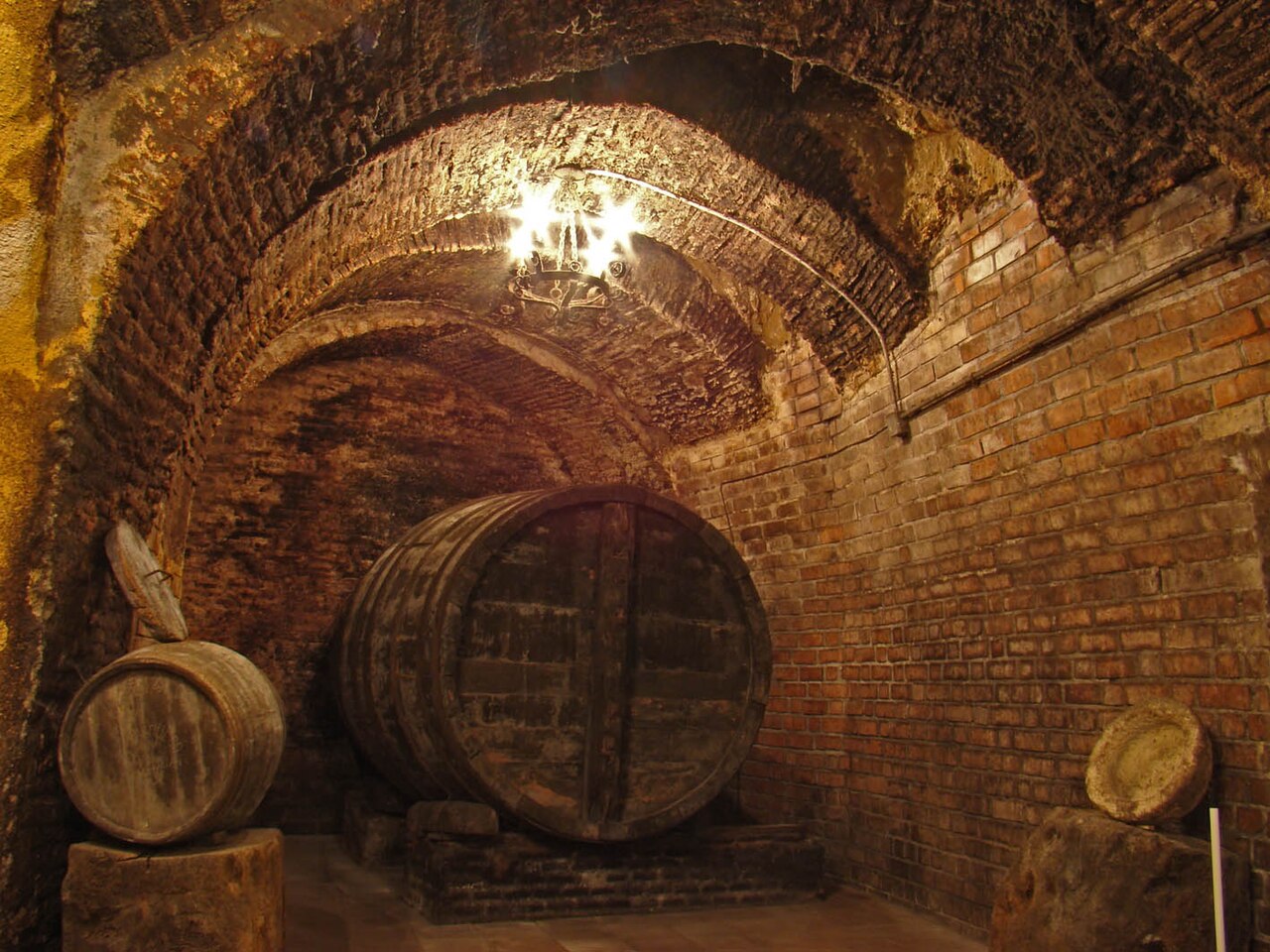
Agriculture remains a pillar of the provincial economy, with extensive cereal production, sunflower, and notable vineyards. Valladolid contains important appellations of origin for Spanish wine, including the Rueda white wine area and parts of the Ribera del Duero red wine zone, which contribute to both local income and gastronomic tourism. Industry and services are concentrated in the provincial capital, while smaller municipalities rely more heavily on farming and rural activities.
Culture, education and festivals
The city of Valladolid hosts significant cultural institutions, such as a major university with medieval origins and museums specializing in sculpture and Spanish art. The province is known for vibrant festivals: its Semana Santa processions attract pilgrims and visitors for their liturgical pageantry and artistic floats, and the city hosts the long-established International Film Festival (SEMINCI), an important event in Spain's cinematic calendar.
Transport, administration and notable places
Valladolid is an important transport node on Spain's north–south and east–west axes: it is served by major highways and high-speed and conventional rail connections that link to Madrid and other regional centers. Administratively the province is governed from the capital and organized into numerous municipalities. Bordering provinces include Zamora, León, Palencia, Burgos, Segovia, Ávila and Salamanca, reflecting its central position within Castile and León.
Notable towns and visitor highlights
- Valladolid (capital): historic center, museums and university.
- Medieval and hilltop towns with preserved plazas, churches and local wineries.
- Wine routes in Rueda and the vineyards of Ribera del Duero.
- Scenic river corridors along the Duero and smaller tributaries.
For travelers and students of Spanish history, the Province of Valladolid offers a blend of agricultural landscapes, historic urban centers and cultural events. It acts as a gateway between Spain's interior plains and the wine-producing valleys that define much of the region's identity. More detailed administrative or tourism information may be found via provincial resources and the regional government portals (see province information).
Related articles
Author
AlegsaOnline.com Province of Valladolid Leandro Alegsa
URL: https://en.alegsaonline.com/art/79718