
Teruel
Teruel is a small city in eastern Spain, capital of Teruel province in Aragon, noted for its Mudéjar architecture (UNESCO), medieval heritage, highland setting and the local legend of the Lovers of Teruel.
Teruel is a city in eastern Spain and the administrative center of the province that bears its name. Located within the autonomous community of Aragon, the city sits on a high plateau and serves as a regional hub for surrounding rural communities. It is one of Spain's lesser populated provincial capitals and is best known for its well-preserved medieval core and distinctive architectural traditions.
Image gallery
10 Images


Geography and climate
Teruel occupies a high-elevation location on the Iberian System (Sistema Ibérico). The altitude produces a continental climate with marked seasonal contrasts: relatively warm summers and cold winters that may bring frost and occasional snow. The surrounding province includes mountain ranges such as Javalambre, and the terrain influences local agriculture and outdoor recreational opportunities.
History and cultural heritage
The city's historic character formed during the Middle Ages, when Christian, Islamic and Jewish influences interacted across the region. Teruel is particularly celebrated for its Mudéjar architecture — a blend of Islamic artistic techniques used in Christian buildings — several examples of which are recognized as UNESCO World Heritage. A medieval romance known as the "Lovers of Teruel" has also left a lasting cultural imprint and is commemorated in local monuments and festivals.
Notable sights
- The cathedral of Santa María and its Mudéjar tower, notable for ornate brickwork and ceramics.
- The towers of San Martín and El Salvador, characteristic examples of Aragonese Mudéjar.
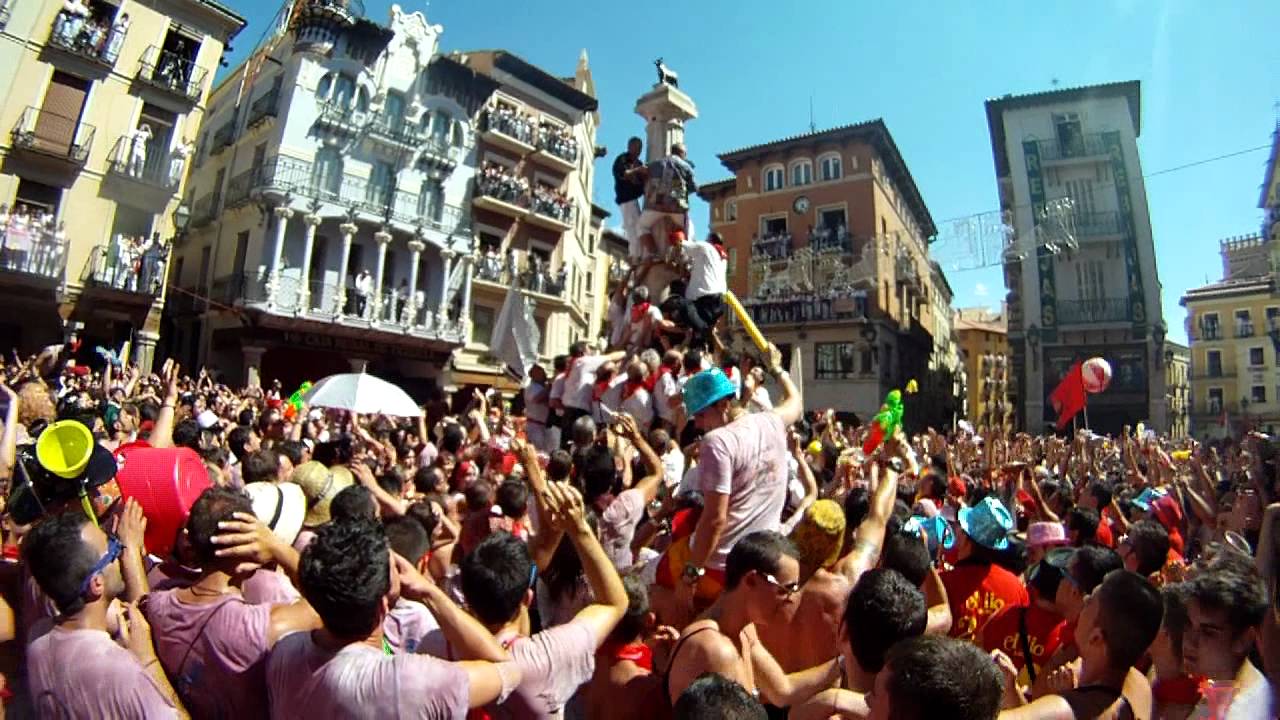
- Plaza del Torico, the city’s central square marked by a small bull statue and civic life.
- Mausoleum and sites associated with the Lovers of Teruel legend.
These landmarks draw cultural tourism to a city that otherwise has a modest urban population. Teruel's economy combines services, agriculture (including products with protected designations such as cured ham), and seasonal tourism. The province also hosts scientific and outdoor attractions, including mountain landscapes and astronomical facilities in higher elevations.
Teruel's combination of highland geography, medieval urban fabric and the distinctive Mudéjar style make it an important point of reference for the study of Spain's cultural interactions and regional identities. Despite its small size, the city preserves an outsized heritage and continues to promote its history through museums, events and conservation programs.
Related articles
Author
AlegsaOnline.com Teruel Leandro Alegsa
URL: https://en.alegsaonline.com/art/97176