
Province of Perugia
Central Italian province in Umbria, centered on the city of Perugia; known for medieval towns, Assisi's UNESCO heritage, Lake Trasimeno, agriculture, food industry and cultural festivals.
Overview
The Province of Perugia is a principal administrative area in central Italy, located within the region of Umbria. In Italian it is commonly called provincia di Perugia. Its administrative centre and largest city is Perugia, which also serves as the regional capital of Umbria. The province occupies a varied interior territory and forms, together with its neighbouring province, the heart of the region.
Image gallery
6 Images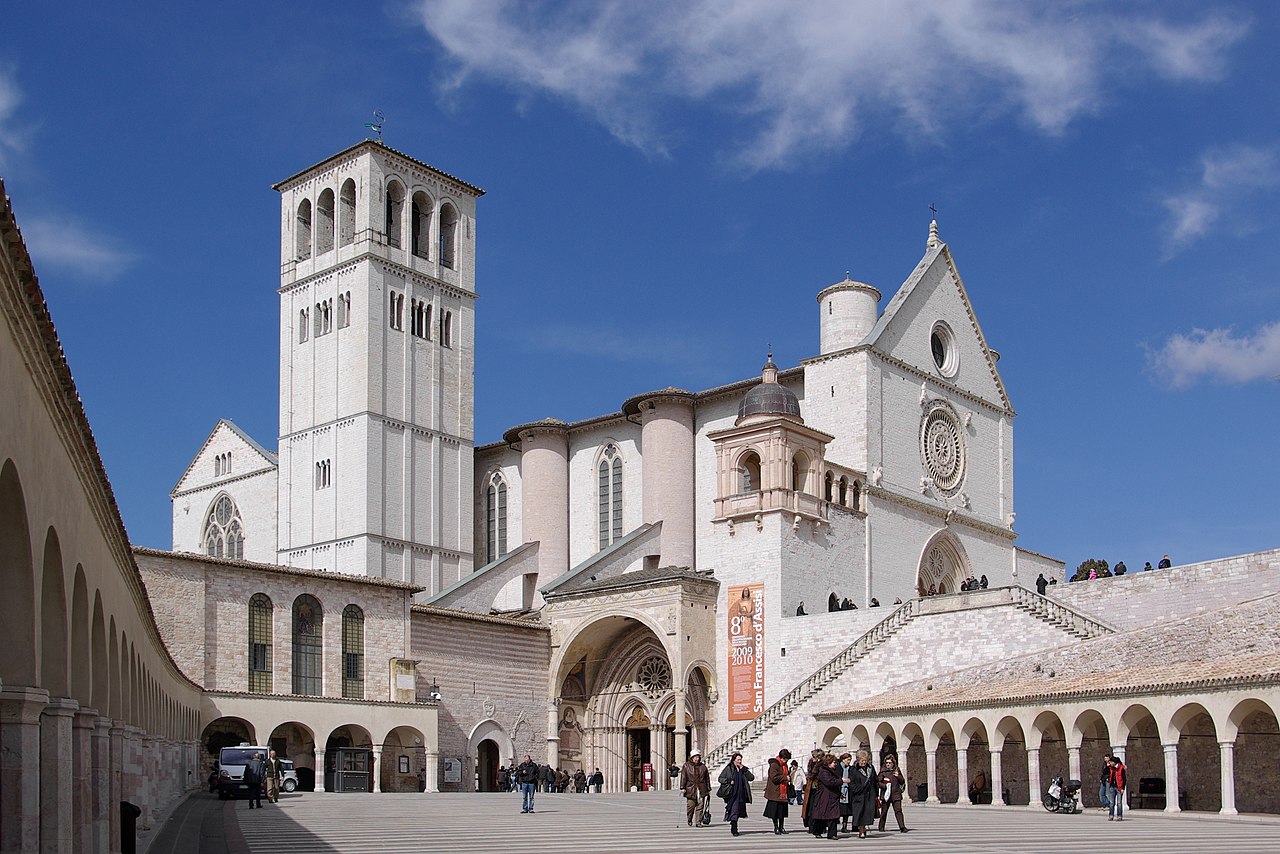



Geography and environment
The landscape combines Apennine uplands, rolling hills, fertile valleys and inland lakes. The area around Lake Trasimeno and the slopes of several Apennine ridges shape local climate and land use, producing olive groves, vineyards and mixed arable farming. Natural features include forested uplands, river valleys and notable hills that host historical settlements.
History and cultural heritage
The territory has deep historical roots, with Etruscan and Roman traces, medieval hill towns and later incorporation into the Papal States. Religious and artistic heritage is especially prominent: the Basilica of Saint Francis in nearby Assisi and other sites in the province attract international interest and are associated with UNESCO recognition. Perugia itself has an urban medieval core, university traditions and long-standing civic institutions.
Economy, crafts and festivals
The local economy mixes agriculture (olive oil, grape cultivation and cereals), food processing and light industry. Perugia is known in particular for confectionery and chocolate production, artisan food and small-scale manufacturing. Tourism, cultural events and festivals — including internationally known music and food festivals held in Perugia and other towns — are important for the service sector and cultural profile.
Administrative structure and notable towns
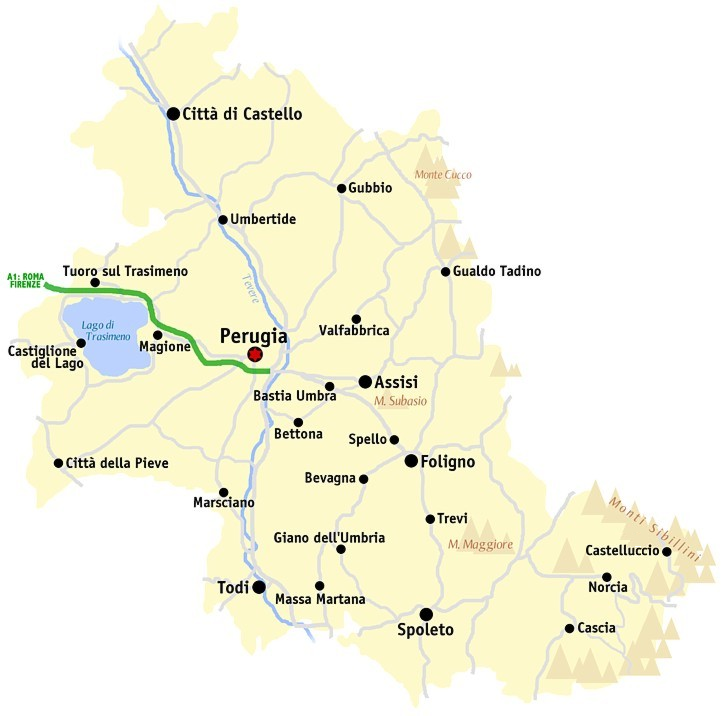
Administratively the province comprises numerous municipalities (comuni) of different sizes. Beyond the city of Perugia, important urban centres and tourist destinations include:
- Assisi — sacred sites and pilgrimage history
- Gubbio — medieval architecture and festivals
- Foligno — market town with cultural events
- Spoleto — historic theatre and historic centre
- Todi and Città di Castello — hilltop towns with artistic heritage
These towns preserve a mixture of religious, artistic and civic monuments, local crafts and seasonal fairs that shape the province's identity. Visitors and scholars value the area for its concentration of historical layers, regional cuisine and accessible natural landscapes.
For further reading about local administration and cultural programs, see regional resources and municipal websites that present current information on governance, tourism and economic initiatives.
Central Italy and the province's position within it continue to influence transport links, trade routes and cultural exchange across the Apennines and into neighboring regions.
Related articles
Author
AlegsaOnline.com Province of Perugia Leandro Alegsa
URL: https://en.alegsaonline.com/art/79673
Sources
- tuttitalia.it : "Provincia di Perugia"
- demo.istat.it : "Statistiche demografiche ISTAT"
- peakbagger.com : "Italy Province High Points"
- tuttitalia.it : "Comuni in Provincia di Perugia per popolazione"
- tuttitalia.it : "Comuni in Provincia di Perugia per superficie"