
Province of Piacenza (Provincia di Piacenza)
Province in Emilia-Romagna, northern Italy. Centered on the city of Piacenza, it spans Po Valley plains and Apennine foothills and is known for agriculture, food traditions, and historic sites.
The Provincia di Piacenza is a provincial territory in northern Emilia-Romagna, in Italy. It functions as one of the country's administrative provinces and is organized around its largest town and capital, the city of Piacenza. The province combines lowland plains and rising hills, forming a transition from the broad Po Valley to the southern Apennine range.
Image gallery
10 Images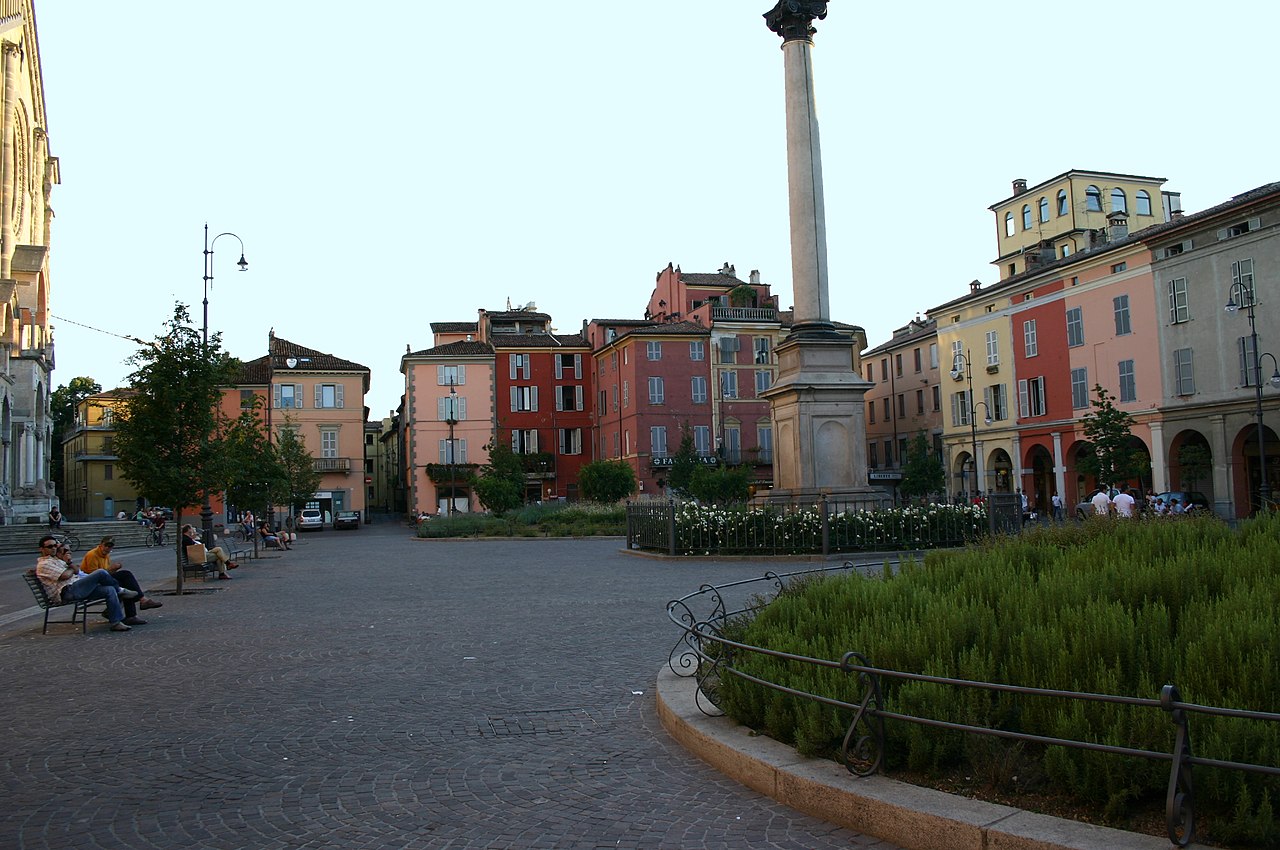




Geography and landscape
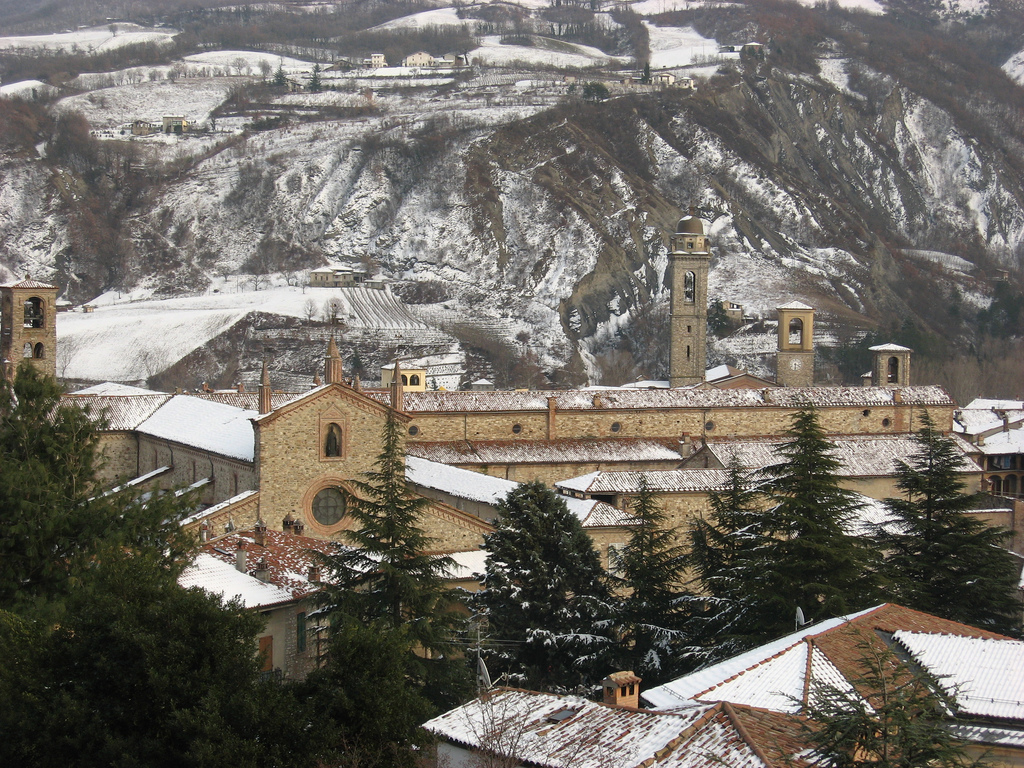
Terrain in the province varies from fertile agricultural plains to wooded hills and more rugged highlands further south. Several rivers and streams cross the area, feeding into the Po basin and shaping local agriculture and settlement patterns. The mixed landscape supports vineyards on gentle slopes and cereal and vegetable farming on the plains.
Historical outline
The area has deep historical roots, with settlement and road networks dating back to Roman and medieval periods. Over centuries it developed as a strategic crossroads between the north Italian plains and the Apennines, with towns that reflect successive phases of fortification, religious architecture and noble patronage. Several palaces and churches preserve Renaissance and earlier features.
Economy, culture and food
The provincial economy blends agriculture, food production, light industry and services. Local specialties emphasize cured meats, cheeses and regional wines produced on the hills. Food traditions play an important role in festivals and local markets; artisanal producers and family farms remain visible alongside modern processing facilities.
Administration and communities
Administration is centered in Piacenza city, while numerous towns and villages (comuni) populate the surrounding plain and uplands. Municipalities vary in size and character, from urban neighborhoods and industrial suburbs to small hilltop communities with centuries-old churches and communal squares.
Points of interest and notable facts
- Historic city center of Piacenza with civic buildings, churches and a cathedral complex.
- Palaces and museums that document local history and art.
- Viticultural areas and gastronomic routes highlighting regional products.
Visitors are drawn by a mix of architectural heritage, countryside scenery and culinary culture. More detailed information on administrative structure, tourist sites and contemporary events can be found through local resources and provincial guides.
Related articles
Author
AlegsaOnline.com Province of Piacenza (Provincia di Piacenza) Leandro Alegsa
URL: https://en.alegsaonline.com/art/79676
Sources
- commons.wikimedia.org : Province of Piacenza
- provincia.piacenza.it : "Il Presidente"
- tuttitalia.it : "Provincia di Piacenza"
- demo.istat.it : "Statistiche demografiche ISTAT"
- provincia.piacenza.it : "The province of Piacenza and its land"
- turismo.provincia.pc.it : "Lago artificiale e diga de Mignano"
- peakbagger.com : "Monte Bue, Italy"
- tuttitalia.it : "Comuni Provincia di Parma"