
Umbria — the green heart of central Italy
Umbria is a small, landlocked region in central Italy known for medieval towns, the Tiber valley, olive oil and wine, Assisi's Franciscan heritage, and cultural festivals in Perugia and beyond.
Overview
Umbria is a compact region in central Italy noted for its rolling hills, historic towns and rural landscapes. It is one of Italy's smaller regions by area and population and is often called the "green heart of Italy" for its abundant forests and farmland. The regional capital is Perugia, a university city with medieval architecture and an active cultural calendar.
Image gallery
10 Images



Geography and environment
Umbria is landlocked and dominated by the Apennine foothills and the Tiber valley. Important geographic features include the Tiber River and Lake Trasimeno, one of Italy's largest lakes. Its patchwork of vineyards, olive groves and wooded slopes shapes a largely rural economy and provides many opportunities for outdoor recreation and agritourism.
History and development
The area has long human presence, with Etruscan and Roman settlements visible in archaeological remains. During the Middle Ages Umbria developed a network of independent communes and ecclesiastical states; many towns retain medieval walls, basilicas and civic buildings. In the 19th century the region became part of the newly unified Italian state and later developed modern transport and agriculture while preserving historic centers.
Culture, economy and uses
Umbria's economy blends agriculture, craft industries and tourism. Olive oil and wine are signature products, and towns such as Deruta are renowned for ceramics. Religious and cultural tourism is significant: Assisi draws pilgrims for its association with Saint Francis, and Perugia hosts international events including the well-known Umbria Jazz festival. Small-scale food producers and agritourism farms offer regional specialties such as truffles and cured meats.
Principal towns and attractions
- Perugia — regional capital, university and cultural festivals.
- Assisi — basilicas and Franciscan heritage, a major pilgrimage site.
- Spoleto and Orvieto — important medieval centers with monuments and festivals.
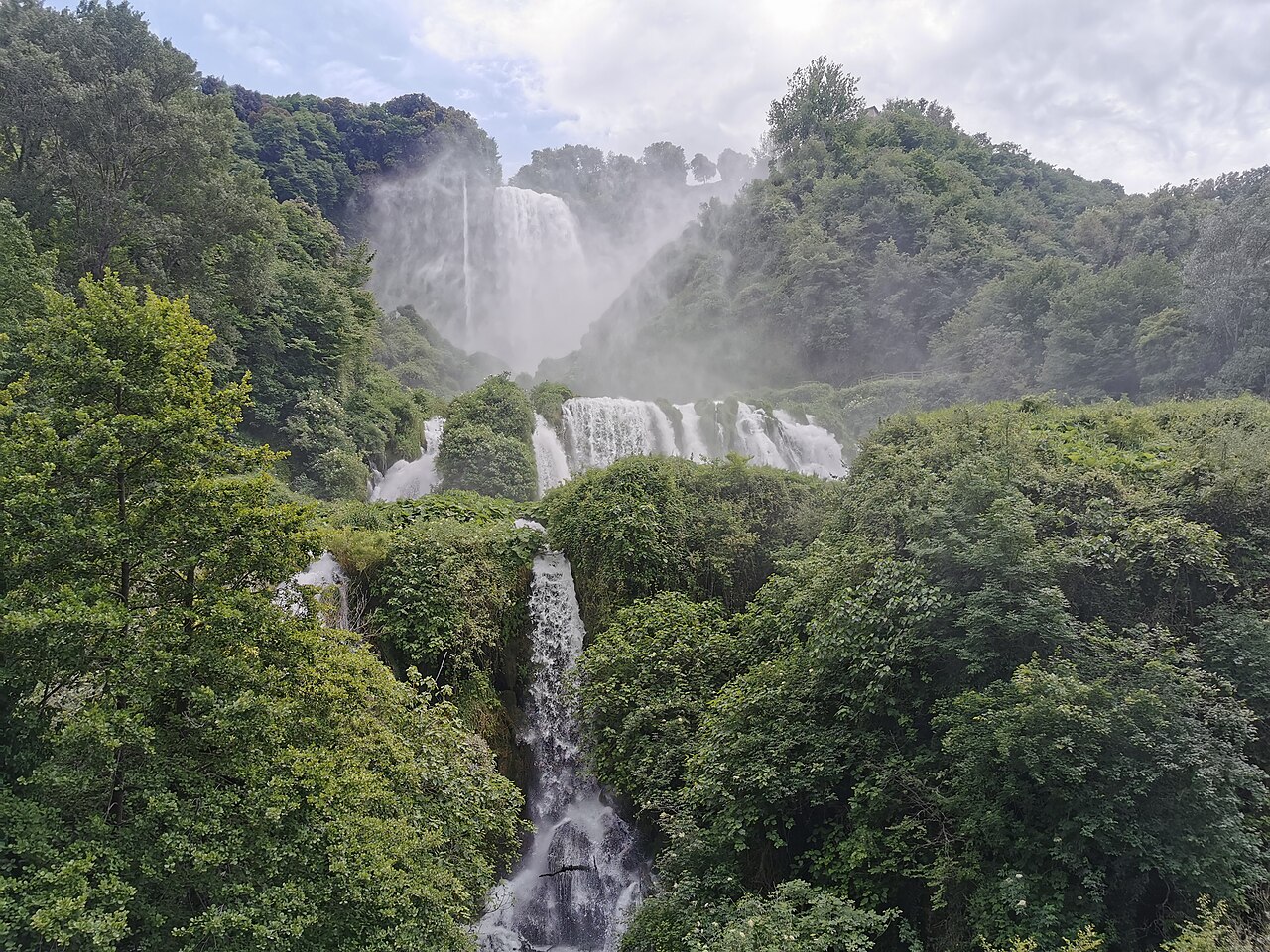
- Terni — industrial history and access to natural sites like waterfalls.
Distinctive facts
Umbria is distinctive among Italy's regions for being entirely inland: it has no coastline and does not border any foreign country. Its mix of well-preserved medieval towns, religious heritage and rural landscapes makes it an important destination for cultural tourism and slow travel. For practical information on travel, administration and local events, consult official regional pages and tourism guides (regional info, visitor services, Perugia resources).
Further reading and practical resources: overview, city guide.
Related articles
Author
AlegsaOnline.com Umbria — the green heart of central Italy Leandro Alegsa
URL: https://en.alegsaonline.com/art/102740
Sources
- presidente.regione.umbria.it : "La Presidenta"
- demo.istat.it : "Statistiche demografiche ISTAT"
- ec.europa.eu : "Eurostat - Tables, Graphs and Maps Interface (TGM) table"
- tuttitalia.it : "Umbria"
- tuttitalia.it : "Comuni umbri per popolazione"