
Province of Las Palmas
Spanish province covering the eastern Canary Islands (Gran Canaria, Lanzarote, Fuerteventura and adjacent islets). Capital Las Palmas de Gran Canaria; formed in 1927 and part of the Canary Islands autonomous community since 1982.
Overview
The Province of Las Palmas is one of two provinces that together make up Spain's Canary Islands. Its administrative centre and largest city is Las Palmas de Gran Canaria. The province's Spanish name is Provincia de Las Palmas and its standard pronunciation is noted by linguists as pronunciation guides often indicate. It forms the eastern portion of the archipelago within the autonomous community commonly called the Canary Islands and is part of the Kingdom of Spain.
Image gallery
4 Images
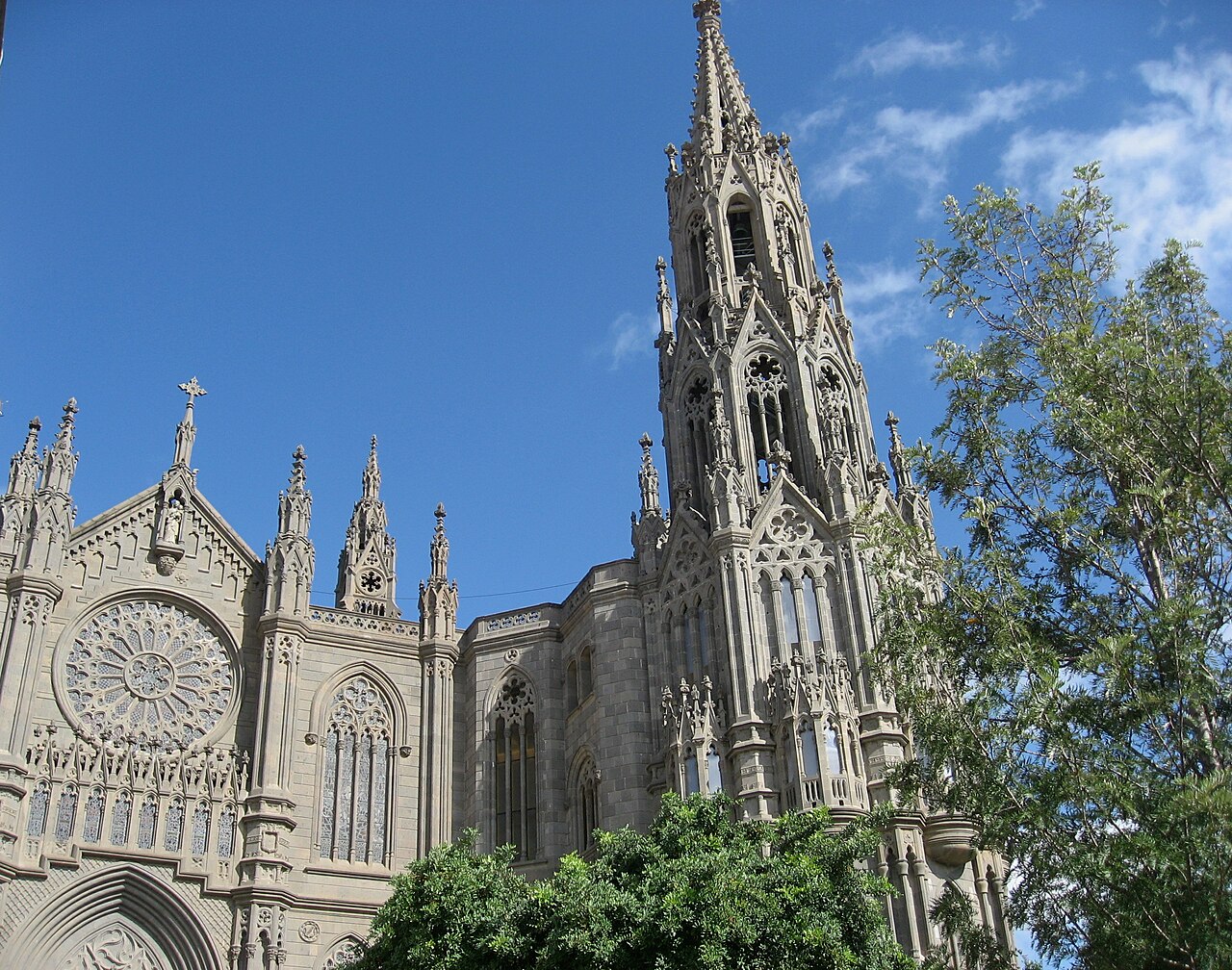


Geography and islands
The province includes several inhabited islands and a number of smaller islets. Major islands governed within its territory are Gran Canaria, Lanzarote and Fuerteventura, together with nearby minor islands and rock formations. The landscape is volcanic in origin, ranging from coastal dunes and beaches to arid plains and rugged interior peaks. Microclimates are common: some slopes receive more moisture and have greener vegetation while other zones remain dry, supporting scrub and desert-like habitats.
History and political development
The modern province was created in 1927 when the original single Province of the Canary Islands was split into two provinces. Throughout the early modern period the islands had been integrated into Spanish rule following European expansion in the 15th century. In 1982 the two island provinces, Las Palmas and Santa Cruz de Tenerife, were reunited administratively under the new autonomous community that now governs many regional matters while national and island institutions retain other competencies.
Administration and local government
Administration in the province operates at several nested levels. Municipalities manage local services on each island, while the cabildos insulares (island councils) have broad authority over transport, infrastructure and cultural affairs on their respective islands. The provincial designation remains important for some judicial and statistical purposes, but many day-to-day powers are shared with the autonomous community and the island councils.
Economy, culture and transport
Tourism is the leading source of income, with millions of visitors drawn to beaches, resorts and natural parks. Agriculture, fishing and light manufacturing also contribute; local crops traditionally include bananas and other subtropical produce. The port of Las Palmas is a major Atlantic hub for shipping and transatlantic traffic, and the province is served by several international airports on Gran Canaria, Lanzarote and Fuerteventura.
Notable sites and distinctions
- Gran Canaria’s varied interior and city life in Las Palmas de Gran Canaria, known for its historical quarter and annual carnival.
- The volcanic landscapes of Lanzarote, including protected volcanic parks and unique agricultural terraces.
- Fuerteventura’s long sandy beaches and dune systems popular with wind sports and nature tourism.
- Natural reserves, archaeological sites and coastal ecosystems that attract researchers and visitors alike.
Together these features make the Province of Las Palmas a region of geographic contrasts, economic reliance on tourism, and layered governance shared between local, island and autonomous institutions. For further administrative and cultural context see general resources on the autonomous community and historical overviews of the Canary Islands.
Related articles
Author
AlegsaOnline.com Province of Las Palmas Leandro Alegsa
URL: https://en.alegsaonline.com/art/79639