
Province of Massa-Carrara
An overview of Massa-Carrara in Tuscany, Italy: geography, history, marble industry, administration and cultural significance, with notes on its main towns and landscape.
Overview
The Provincia di Massa-Carrara is a small coastal and mountainous province in the Tuscany area of the region of central Italy. It takes its name from its two principal urban centres: Massa and Carrara, the former serving as the provincial capital and the latter world-famous for its marble. The territory combines a short stretch of Ligurian coastline with the rugged Apuan Alps inland, creating sharp contrasts in landscape and land use.
Image gallery
3 Images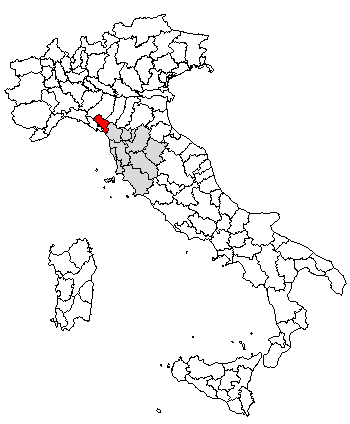

Geography and natural features
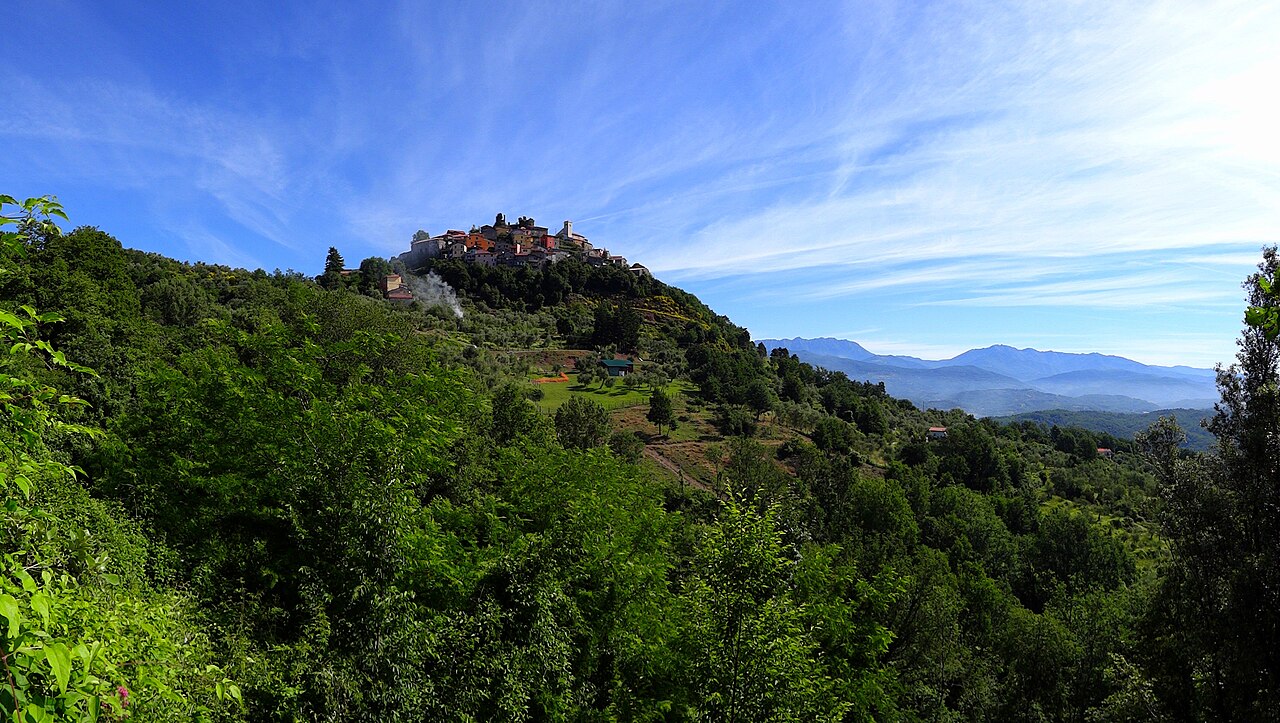
The province covers roughly 1,157 km² and is characterized by the white marble-bearing mountains known as the Alpi Apuane. These ranges rise abruptly from the coastal plain and have been quarried for centuries. Rivers cutting through the valleys lead to small ports and beaches on the Ligurian Sea. The varied topography supports coastal towns, agricultural valleys and highland pastures.
History and development
Massa and Carrara have long histories that include Etruscan and Roman presence, medieval communes and later small duchies and marquisates that exercised local autonomy. The extraction and trade of marble profoundly shaped the area from the Middle Ages onward, attracting sculptors, builders and merchants. Over time the province became integrated into the larger Tuscan and then Italian state, while retaining distinctive local institutions and cultural practices.
Administration and municipalities
Administratively the province is divided into 17 comuni. The most significant municipalities by size and economic role include:
- Massa — the capital and an administrative centre
- Carrara — renowned for its marble industry
- Aulla — a valley town and transport junction
- Pontremoli and Fivizzano — historic hill towns with medieval centres
- Montignoso and Fosdinovo — smaller communes with cultural attractions
Economy, culture and uses
The extraction, finishing and export of Carrara marble remain the province's most recognizable economic activity and cultural signature. Marble from these quarries has been used since antiquity and was chosen by Renaissance masters for major sculptures and buildings. Contemporary local industry includes stoneworking, light manufacturing, agriculture in fertile lowlands, and tourism focused on coastal resorts, mountain hiking and the historic towns. The area also supports small ports and transport links that connect inland quarries to national and international markets.
Notable facts and distinctions
Massa-Carrara is compact but geographically diverse: a visitor can find sea beaches, steep marble cliffs and alpine trails within a short distance. Carrara marble's global reputation and the visible scars of quarrying on the Alpi Apuane are among the province's defining features; artists historically sought this stone for its fine grain and luminosity. The province's demographic profile has hovered around two hundred thousand residents in the early 21st century (population figures from the mid-2000s), and its small size has encouraged close ties among municipalities and a blend of coastal and mountain cultures.
For further administrative or tourist information consult the provincial institutions and local guides: country overview, regional resources at Tuscany information, and local portals such as regional services and municipal sites for Carrara and Massa. Additional reference pages and statistical resources are available through public archives and tourism boards (official provincial page, area data, list of comuni).
Related articles
Author
AlegsaOnline.com Province of Massa-Carrara Leandro Alegsa
URL: https://en.alegsaonline.com/art/79652