
Province of Málaga
Southern Spanish province on the Mediterranean coast in Andalusia. Includes the city of Málaga, the Costa del Sol, mountain ranges, agricultural zones, major cultural sites and natural parks.
Overview
The Province of Málaga lies on the southern coast of Spain and forms part of the autonomous community of Andalusia. Its capital and largest city is Málaga, a historic port, cultural center and transport hub. In Spanish it is often called Provincia de Málaga. The province faces the Mediterranean Sea to the south and is one of the most visited coastal provinces in Spain.
Image gallery
8 Images



Geography and climate
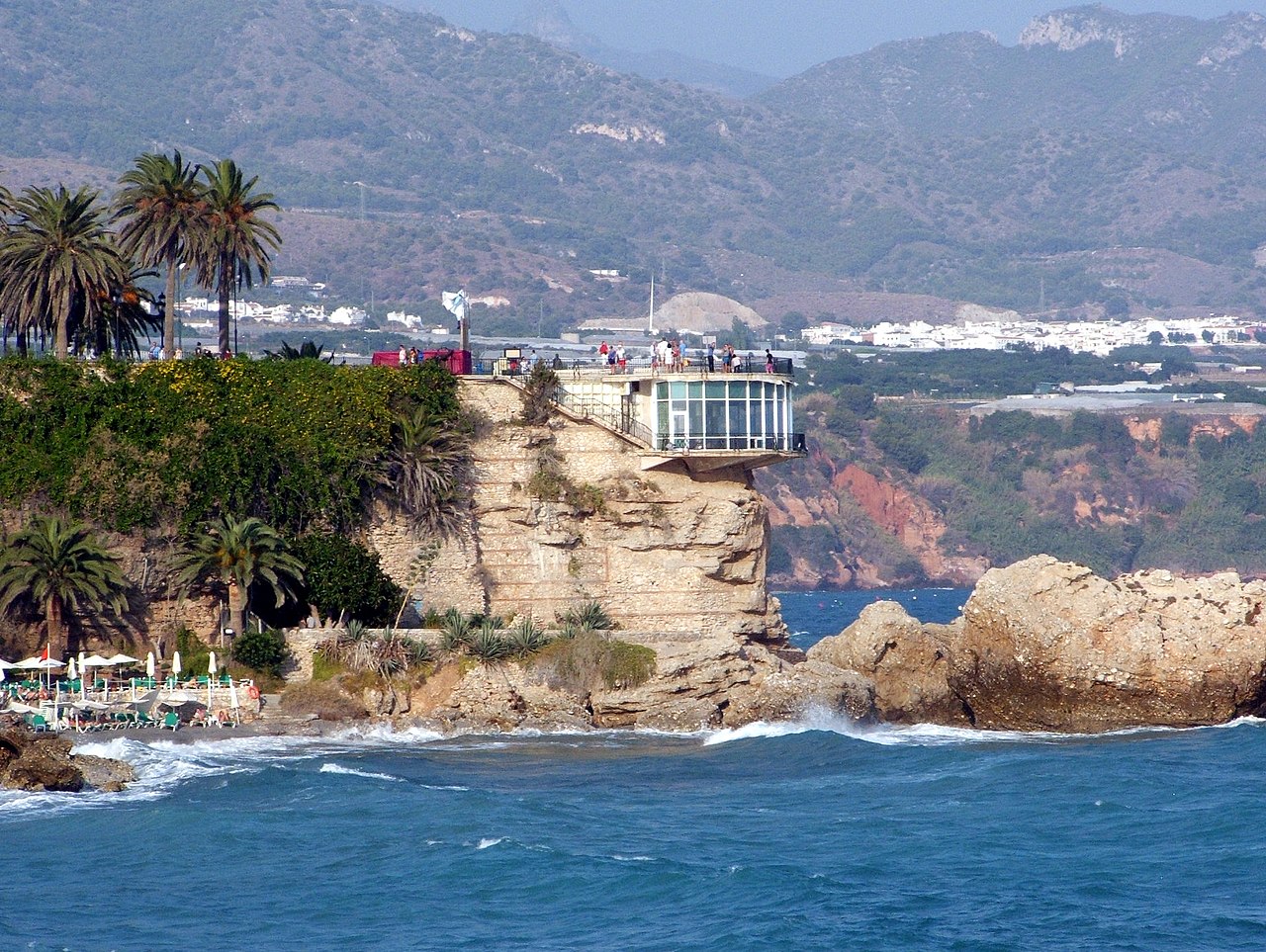
Málaga combines a long and varied coastline known as the Costa del Sol with inland mountain ranges and fertile river valleys. Landscapes range from low coastal plains and beaches to the Montes de Málaga and higher sierras such as the Sierra de las Nieves and the Torcal de Antequera. The climate is predominantly Mediterranean with mild, wet winters and hot, dry summers on the coast; upland and interior areas have cooler temperatures and more variable rainfall, creating distinct microclimates suitable for diverse crops.
History
Human presence in the area dates to antiquity: Phoenician trading posts, Roman administration and an important Islamic period left lasting traces in architecture and urban form. After the Christian reconquest, the region developed agricultural estates and maritime trade. In the 20th century the expansion of tourism and improved transport transformed coastal towns and the regional economy.
Economy
Tourism is a primary economic driver, concentrated on the Costa del Sol and supported by Málaga–Costa del Sol Airport and a busy port. Agriculture remains important inland and in river valleys: olives, grapes, citrus, almonds and subtropical fruit such as avocados and mangoes are widely cultivated where microclimates allow. Fishing, light industry and services also contribute to the provincial economy.
Culture, landmarks and municipalities
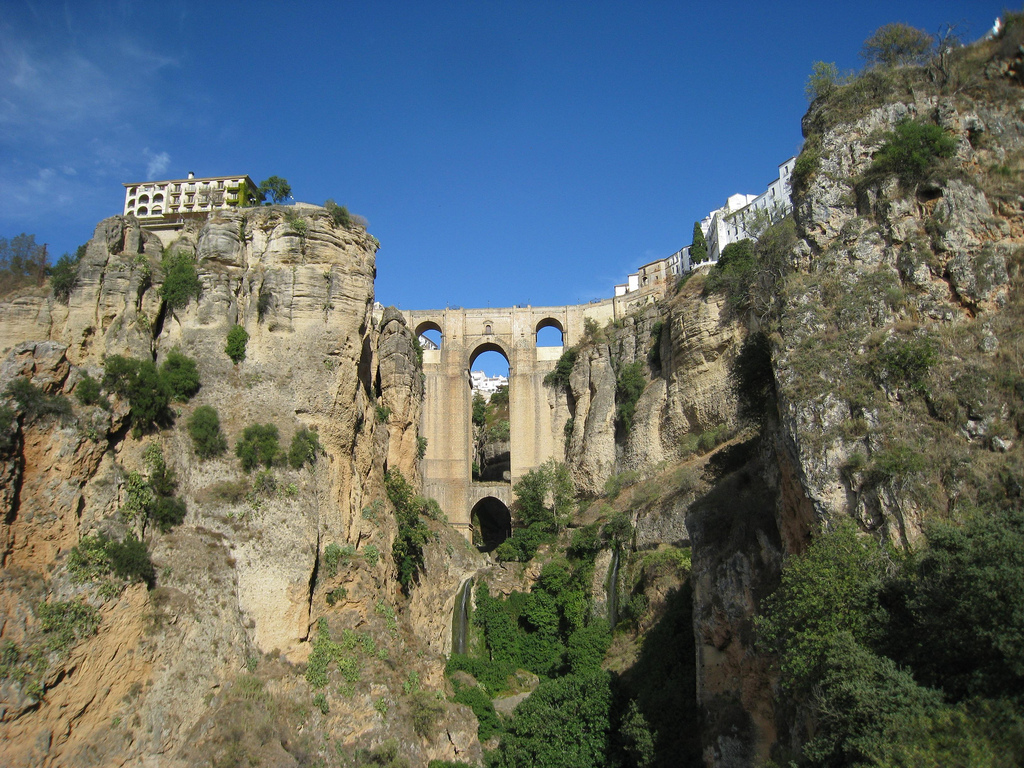
The province has a rich cultural heritage: it is the birthplace of the artist Pablo Picasso and hosts important museums, historic fortresses and religious architecture. Notable monuments include the Alcazaba and Roman theatre in Málaga, the Cathedral, the Antequera Dolmens (a World Heritage site), and the dramatic gorge at Ronda. Traditional festivals, flamenco music and Mediterranean cuisine remain central to local identity.
- Málaga — capital, cultural and transport hub;
- Marbella — international tourism and beaches;
- Torremolinos and Benalmádena — long-established resorts;
- Ronda — historic town with a famous bridge and gorge;
- Antequera — crossroads with megalithic monuments and natural karst formations.
Transport and administration
The provincial government is seated in the city of Málaga. Transport networks include major highways, regional and commuter rail services, an international airport and ferry links. Planning efforts seek to balance infrastructure, visitor services and protection of heritage and landscapes.
Environment and conservation
Protected areas such as Sierra de las Nieves Natural Park, Montes de Málaga and the Torcal support biodiversity, water resources and recreational opportunities. Conservation and sustainable tourism are ongoing priorities as the province manages development pressures and seeks to preserve its varied natural and cultural landscapes.
Related articles
Author
AlegsaOnline.com Province of Málaga Leandro Alegsa
URL: https://en.alegsaonline.com/art/79650