
Province of Lodi (Lombardy, Italy)
Overview of the Province of Lodi in Lombardy, covering geography, history, economy, culture, and transport with links for further information.
Overview
The Province of Lodi is a small administrative area in northern Italy, located within the greater Lombardy region. Its administrative seat is the city of Lodi, a town known for a compact historic centre and a cathedral with medieval and later elements. The province is part of the fertile Po Valley and serves as a local hub between larger Lombard cities.
Image gallery
9 Images




Geography and administration
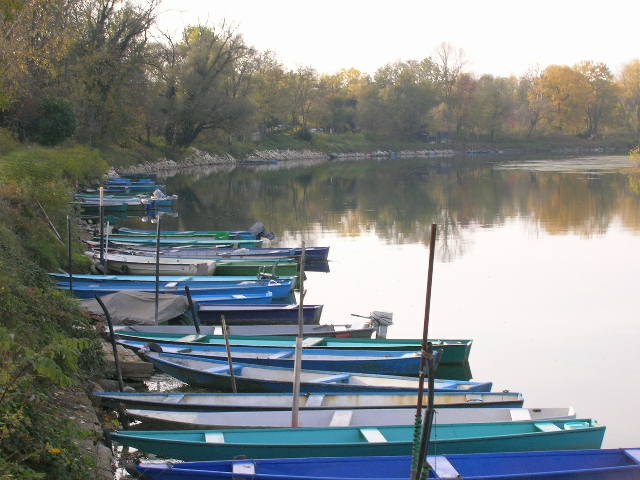
Terrain in the province is largely flat, shaped by the plains and waterways of the Po Valley and by tributaries such as the Adda. Land use combines agricultural fields, small industrial zones and residential belts that link the province to neighbouring urban centres. The area is governed from the provincial capital and is divided into several dozen municipalities, each responsible for local services and planning.
History and development
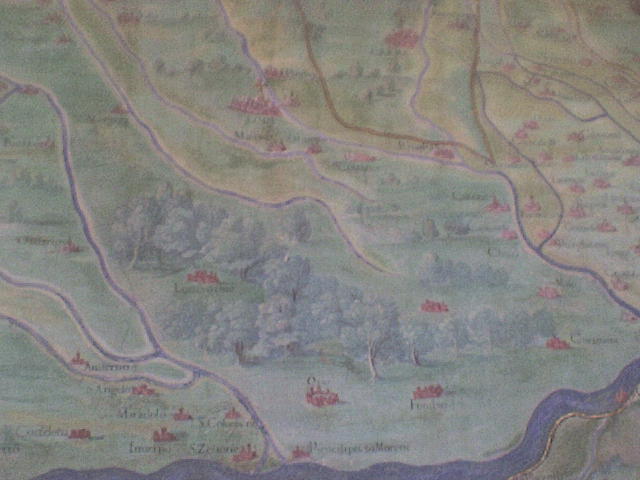
Lodi has medieval origins visible in its street plan and churches. Over centuries it formed part of wider feudal and later state structures in northern Italy. In the late 20th century administrative changes created the modern province, separating it from neighbouring jurisdictions to better reflect local identity and administration.
Economy, culture and notable features
The economy mixes agriculture—crops, dairy and other typical Po Valley production—with small and medium-sized enterprises in manufacturing, services and food processing. Cultural life often centres on town festivals, historic churches and local culinary traditions. Lodi and nearby towns are known for markets, artisanal workshops and regional cuisine that reflects Lombard tastes.
Transport and municipalities
Road and rail connections link the province to Milan and other Lombard cities, supporting commuting and trade. Notable towns include the capital Lodi and other local centres such as Codogno and Casalpusterlengo, which provide commercial, administrative and cultural services to surrounding rural areas.
Further information
- Official provincial website for administrative notices and local services.
- Regional resources describing the role of provinces within Lombardy.
- Lombardy overview with broader geographic and economic context.
- Italy national resources for country-level background on administrative divisions.
Note: This article provides a general introduction. For details on population figures, municipal boundaries and archival records consult the links above or the provincial offices directly.
Related articles
Author
AlegsaOnline.com Province of Lodi (Lombardy, Italy) Leandro Alegsa
URL: https://en.alegsaonline.com/art/79646