
Aix-en-Provence
A historic city in southern France, known for its thermal springs, classical architecture, university, and association with painter Paul Cézanne. A cultural and administrative center near Marseille.
Aix-en-Provence is a city in southern France, located in the region of Provence-Alpes-Côte d'Azur roughly 30 km north of Marseille. Home to about 150,000 inhabitants in the commune, Aix combines a compact medieval centre with broad tree-lined avenues and numerous fountains. Its mild Mediterranean climate, thermal-spring origins and position on historic trade routes have shaped its urban character and local economy. For further practical information see Aix-en-Provence resources.
Image gallery
10 Images




History and development
The settlement began as a Roman foundation known as Aquae Sextiae, established for its thermal waters and strategic location. Over the centuries Aix became a seat of regional administration and learning, accumulating medieval churches, Renaissance mansions and public squares. The city later developed as a legal and cultural centre for Provence, and its historic core retains a layered urban fabric of narrow streets, courtyards and hôtels particuliers.
Characteristics and landmarks
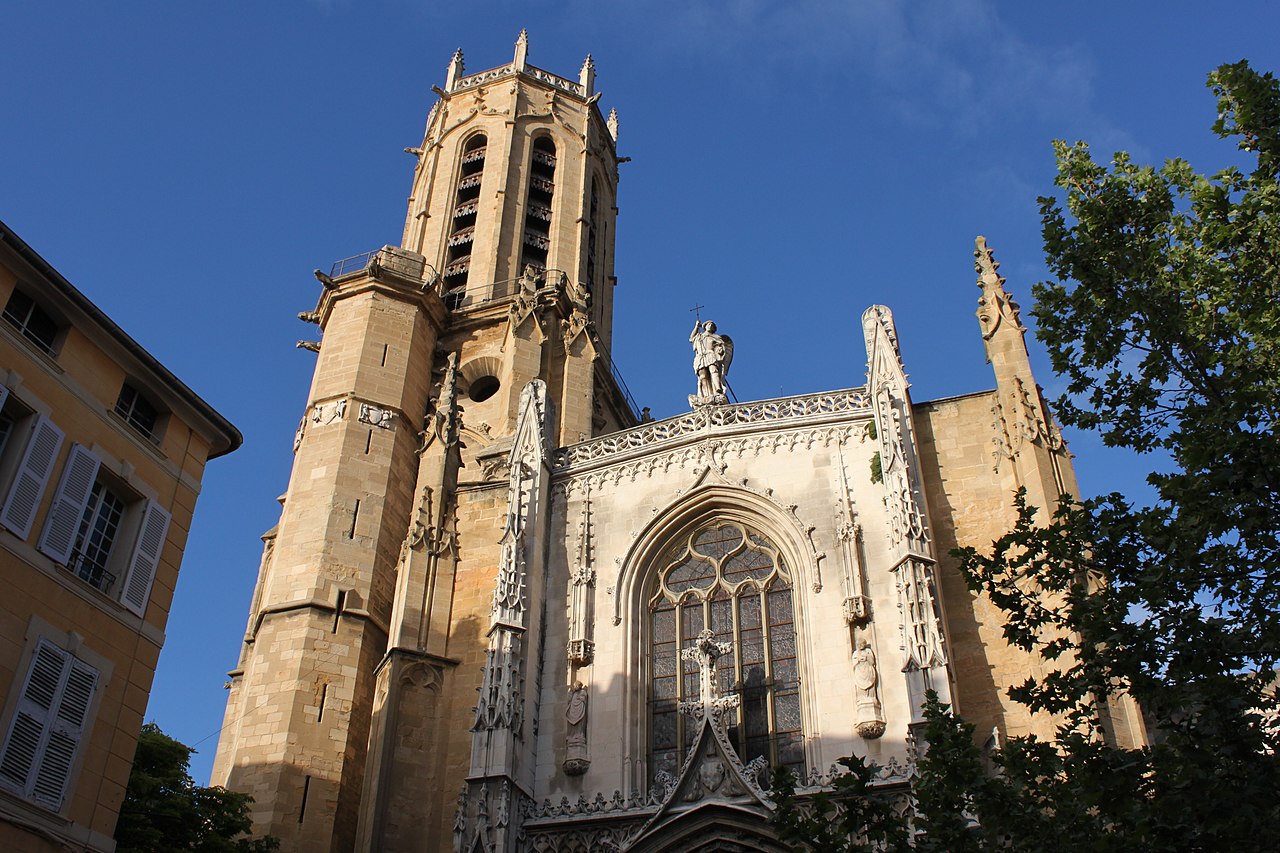
The city is noted for its elegant boulevards such as the Cours Mirabeau, baroque churches and numerous fountains that punctuate public spaces. Important landmarks include the Cathédrale Saint-Sauveur with its mix of architectural styles, the Musée Granet with fine art collections, and the preserved workshop of Paul Cézanne. The old town is largely pedestrianised and features markets, cafes and artisanal shops that reflect Provençal life.
Culture, education and economy
Aix has a strong cultural identity: it hosts the internationally known Festival d'Aix-en-Provence, a major annual opera and music festival, and supports museums, galleries and performing arts venues. The city is also a university town, contributing to a lively student population and research activities. Its economy blends services, education, tourism and small industry, while transport links include road connections to Marseille and a high-speed rail station in the surrounding area.
Notable facts and visitor information
Aix-en-Provence is closely associated with the painter Paul Cézanne, who was born and worked in the region; visitors often seek his atelier and the landscapes that inspired his work. Local specialties such as markets, Provençal cuisine and traditional sweets like calissons add culinary appeal. The city's combination of history, culture and accessible pace makes it a common stop for travelers exploring Provence.
- Key sites: Cours Mirabeau, Cathédrale Saint-Sauveur, Musée Granet, Atelier Cézanne.
- Events: Festival d'Aix-en-Provence (opera and music), seasonal markets.
- Practical: Compact centre, many fountains, museums and cafés are walkable.
Related articles
Author
AlegsaOnline.com Aix-en-Provence Leandro Alegsa
URL: https://en.alegsaonline.com/art/1727
Sources
- en.wikisource.org : "Aix"