
Prosper Mérimée
19th-century French writer, historian and monument preservationist, best known for the novella "Carmen," which inspired Bizet's opera, and for his work safeguarding France's historic architecture.
Prosper Mérimée (28 September 1803 – 23 September 1870) was a French writer, historian and archaeologist whose work bridged literary craft and cultural preservation. Born in Paris, Mérimée wrote short fiction, travel accounts and scholarly reports while playing an influential administrative role in the protection of historical monuments. He is widely remembered for the novella "Carmen," the dramatic tale that later served as the source for the opera Carmen (often discussed as Bizet's Carmen) by Georges Bizet.
Image gallery
8 Images




Literary style and subjects
Mérimée's prose is noted for its concision, ironic distance and attention to local color. He favored short, tightly plotted narratives that blend realism with elements of folklore and the uncanny. His stories often probe themes of passion, crime and fate, and frequently draw on settings outside metropolitan France—Corsica, Spain and the Balkans feature prominently—offering vivid ethnographic detail and regional dialects filtered through a skeptical narrator.
Career in history and preservation
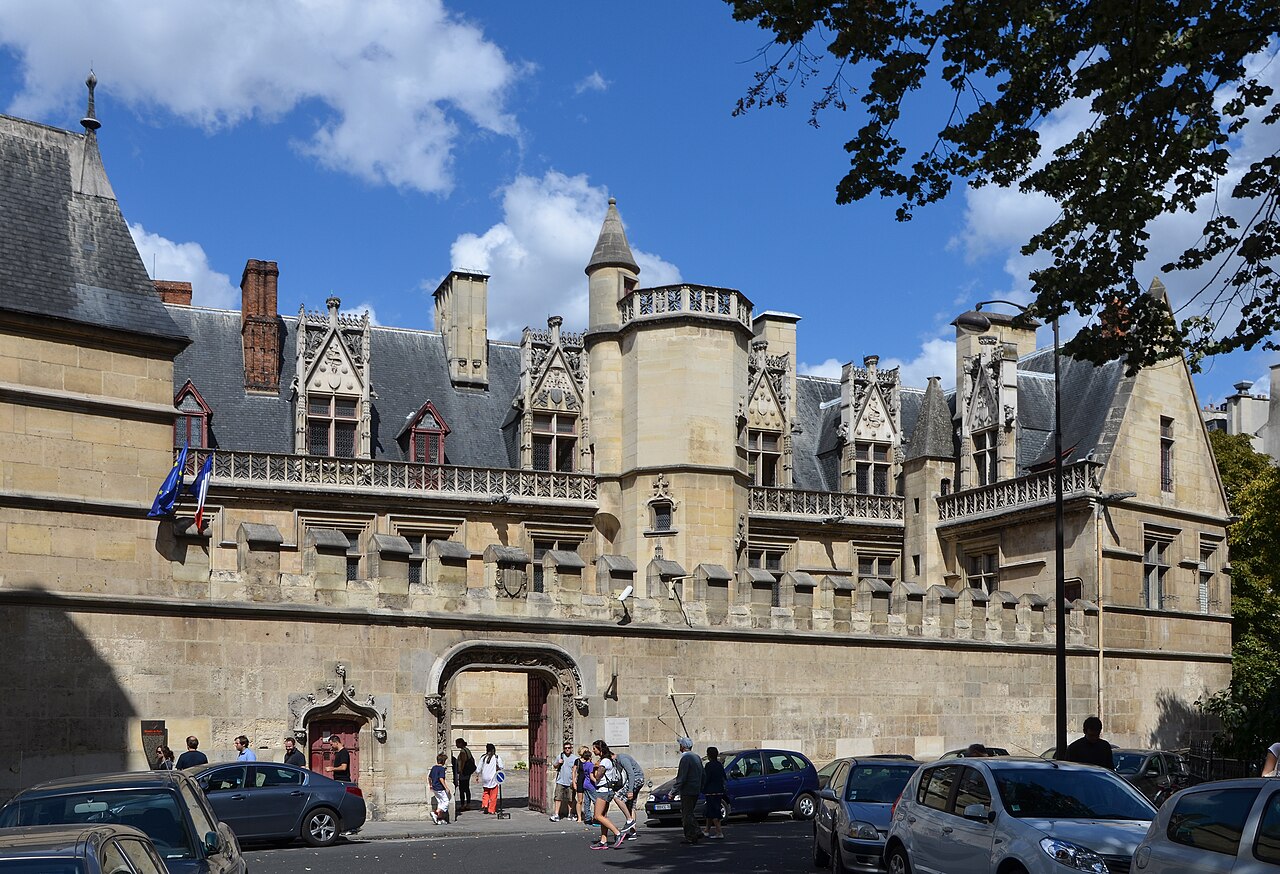
Alongside his literary career, Mérimée carried out important work as an inspector and scholar of monuments. He traveled widely to document historic sites and advocated for the conservation of medieval churches, castles and civic buildings. His reports and administrative efforts contributed to early practices of heritage protection in 19th‑century France, helping to establish attitudes and procedures for restoring and cataloguing architectural treasures.
Notable works and influence
Beyond "Carmen," Mérimée produced a number of acclaimed novellas and tales, including stories that remain examples of the French short form. His interest in antiquities and archaeology also led to publications of travel notes and historical essays. While his fiction influenced later realistic and psychological writing, his preservation work shaped cultural policy and inspired subsequent generations of conservators and historians.
Selected works and legacy
- Carmen — novella that became the basis for the famous opera.
- Colomba — a tale set in Corsica exploring family honor and vengeance.
- La Vénus d'Ille — a short story blending antiquarian detail and the supernatural.
- Travel writings and archaeological reports that aided historic preservation.
Mérimée's dual legacy as a literary craftsman and a cultural conservator makes him a significant figure in 19th‑century French letters. His work remains studied both for its artistic qualities and for its contribution to the early development of heritage awareness and monument protection.
Related articles
Author
AlegsaOnline.com Prosper Mérimée Leandro Alegsa
URL: https://en.alegsaonline.com/art/79486