
Publius Quinctilius Varus, Roman governor defeated at the Battle of Teutoburg Forest
Publius Quinctilius Varus (46 BC–AD 9), Roman politician and governor whose ambush by Arminius at the Battle of Teutoburg Forest annihilated three legions and halted Rome’s advance beyond the Rhine.
Publius Quinctilius Varus was born in 46 BC at Cremona in the Roman Republic and died in AD 9 in Germania. He served as a Roman politician and commander during the reign of Emperor Augustus. Varus is most frequently remembered for the catastrophic loss that ended his career and life.
Image gallery
4 Images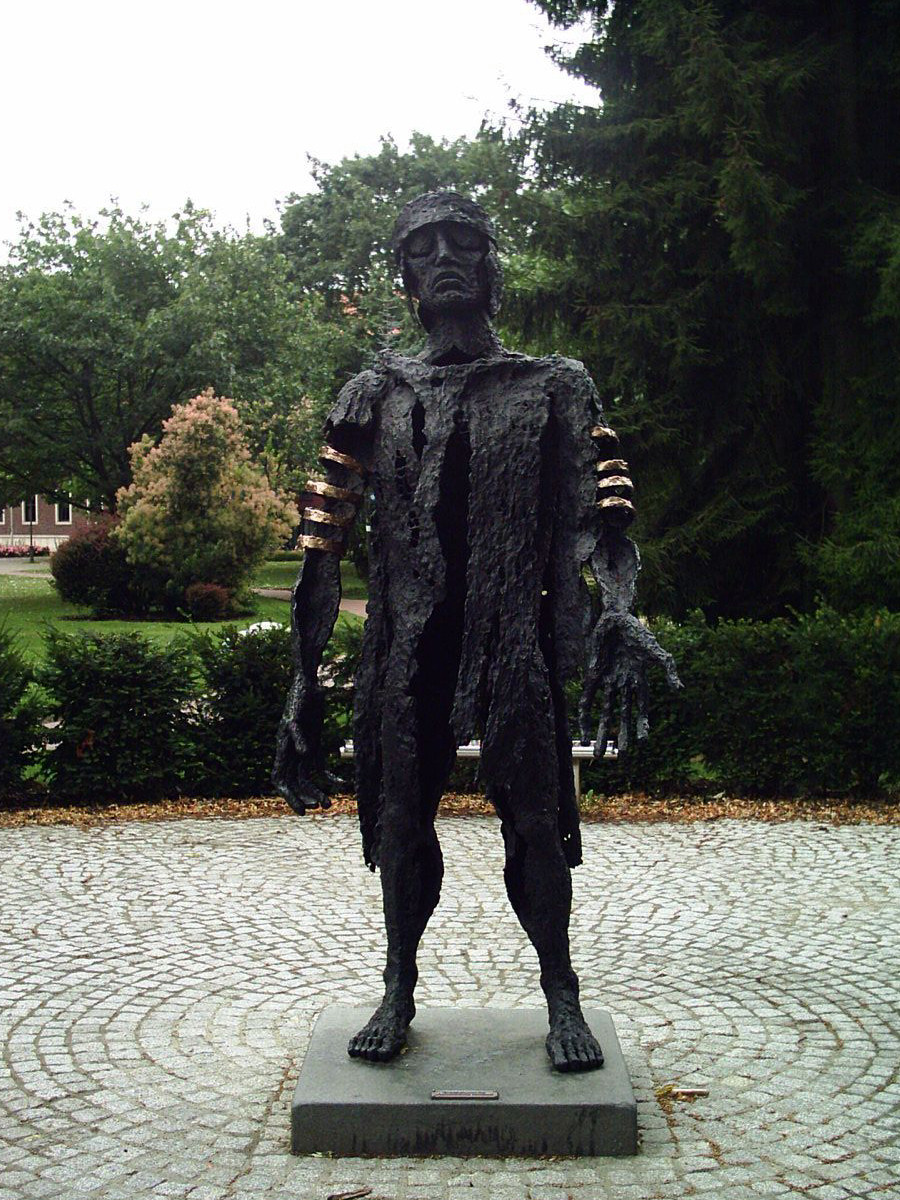


Background and rise
Varus belonged to an old aristocratic family and followed the conventional path of senatorial offices. He gained experience in administration and finance, which helped him secure important posts under Augustus. His reputation as a capable civil official led to high-profile assignments, including provincial governorships and commands entrusted with maintaining order in Rome's territories.
Command in Germania
In the years before his death, Varus was given responsibility for the Roman territories east of the Rhine. His duties combined military oversight with civil governance, and he attempted to impose Roman systems of taxation and law in the region. These policies and the presence of Roman forces provoked growing resentment among local tribes.
Ambush and destruction
While leading troops through the forested lowlands, Varus and his column were attacked in a carefully planned uprising. The encounter resulted in the annihilation of three Roman legions and other auxiliary units. The rebellion was organized by the Germanic chieftain Arminius, who had formerly served as an ally and officer in Rome's forces. The engagement is known to history as the Battle of the Teutoburg Forest.
Consequences and legacy
- The defeat halted Roman expansion across the Rhine and caused a reassessment of frontier policy.
- News of the disaster had political and military repercussions in Rome, leading to changes in command and increased caution in dealing with Germanic tribes.
- Varus's name became synonymous in antiquity with a singular military catastrophe and is often cited in discussions of Roman limits and frontier strategy.
Ancient historians debate aspects of the campaign and its precise course, but agree that the ambush had lasting effects on Rome's northern frontier. While Varus had administrative skills, the circumstances of his command and the effectiveness of the Germanic resistance combined to produce one of the most infamous defeats in Roman history.
Related articles
Author
AlegsaOnline.com Publius Quinctilius Varus, Roman governor defeated at the Battle of Teutoburg Forest Leandro Alegsa
URL: https://en.alegsaonline.com/art/79925