
Protein filament: structure, types, and biological roles
Protein filaments are elongated polymers of protein subunits that form structural and dynamic elements in cells, from cytoskeleton networks to hair and flagella.
Overview
Protein filaments are long, threadlike assemblies formed by repeating protein subunits. Found across life, they range from keratin bundles in hair to dynamic polymers in the cell interior. Filaments can be rigid or flexible, permanent or rapidly remodelled, and they serve mechanical, organizational and motile roles in organisms.
Image gallery
5 Images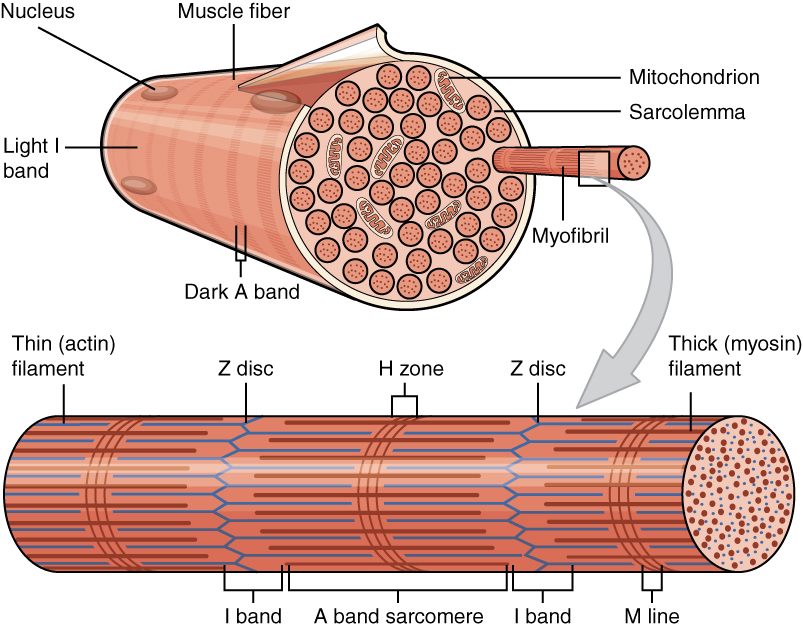

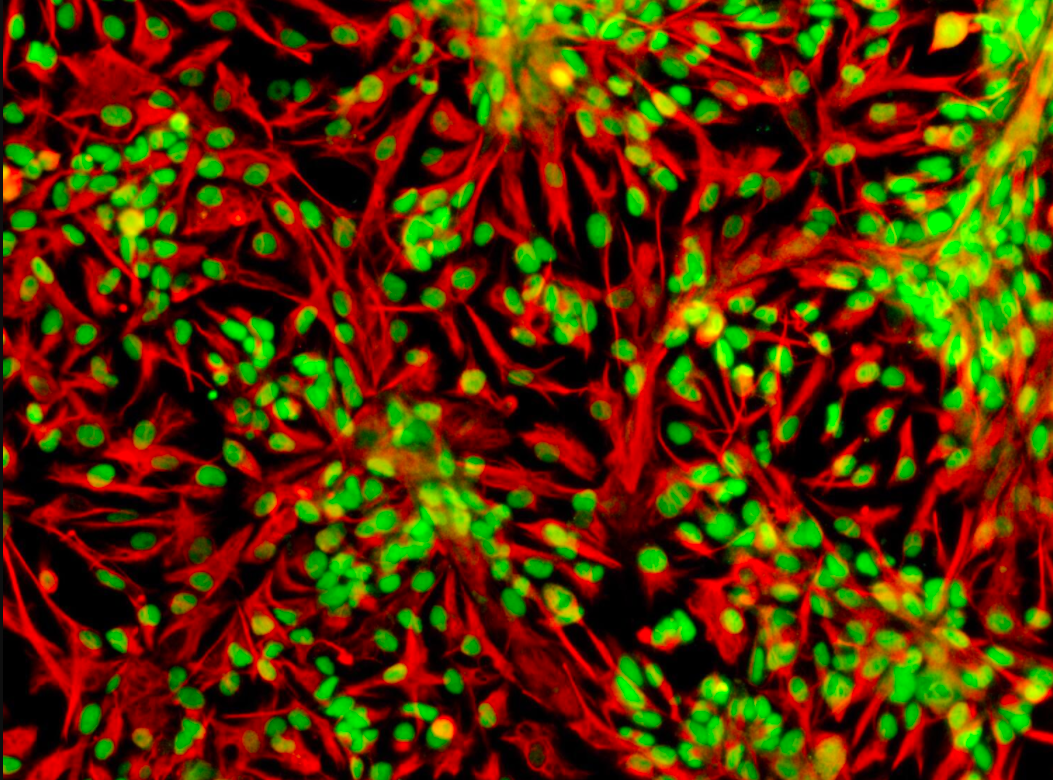
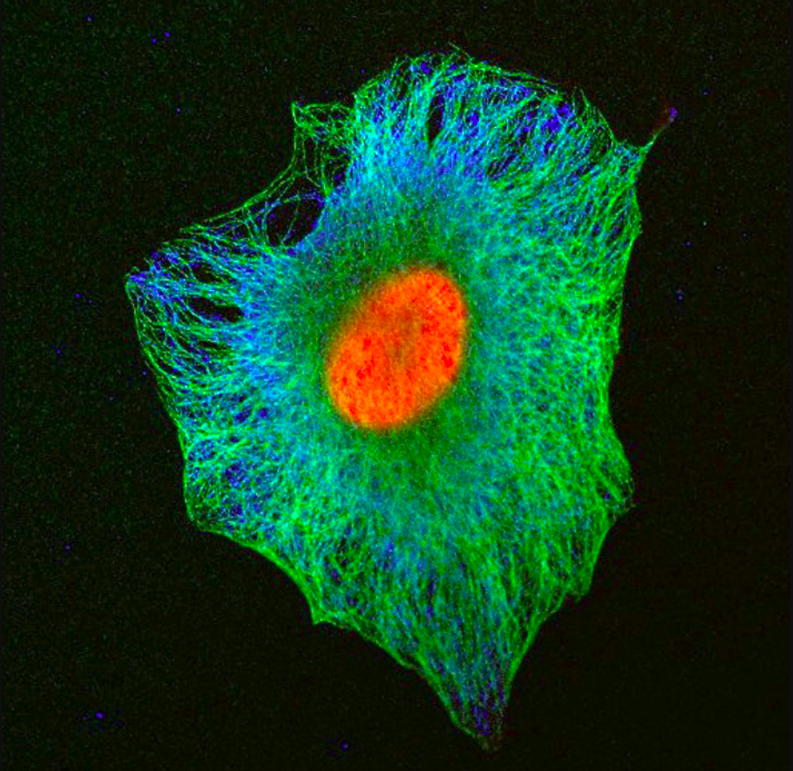
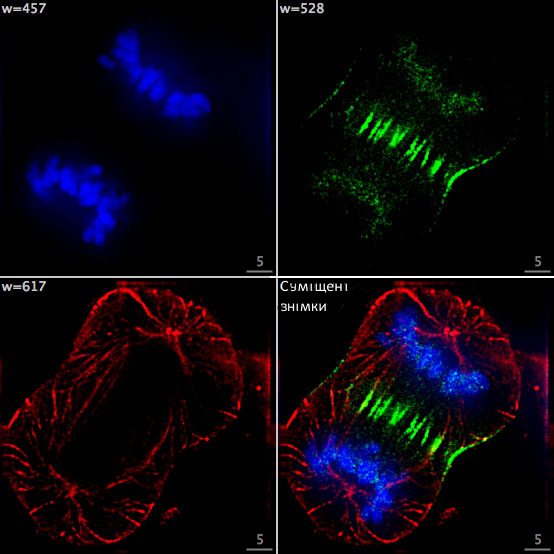
Characteristic features
At the molecular level a filament is built by subunit association into a polarized or nonpolar linear structure. Many filaments show helical symmetry and can vary in thickness and persistence length. Their physical properties depend on amino acid composition, post‑translational modifications and interactions with binding partners such as motor proteins or crosslinkers.
Major classes and examples
- Actin filaments (microfilaments) – flexible, polar polymers important for cell shape and motility.
- Intermediate filaments – rope‑like proteins (e.g., keratin) that provide tensile strength; found in epithelial cells and hair.
- Microtubules – hollow tubes built from tubulin that organize intracellular transport and mitosis.
- Extracellular filaments – such as flagellar filaments composed of flagellin in many bacteria.
Assembly and dynamics
Filament formation typically involves nucleation, elongation and steady‑state behaviour. Many filaments can grow at one or both ends, depolymerize, or undergo treadmilling. This dynamic turnover underlies rapid changes in cell architecture and force generation.
Functions and importance
Protein filaments support tissues (hair and nails), power movement (muscle contractile systems), enable intracellular transport and cell division, and build surface appendages like flagella. They are studied using electron and light microscopy, biochemical reconstitution, and live imaging. For more on cellular roles see cytoskeleton resources and for basic protein concepts see protein overview. Practical examples include keratin in hair and actin in muscle.
Related articles
Author
AlegsaOnline.com Protein filament: structure, types, and biological roles Leandro Alegsa
URL: https://en.alegsaonline.com/art/79515