
Prime Minister of Ukraine
Head of Ukraine's government who leads the Cabinet of Ministers, coordinates executive policy, is appointed with parliamentary approval, and is based in Kyiv. Incumbent Denys Shmyhal since March 2020.
Overview
The Prime Minister of Ukraine (Ukrainian: Прем'єр-міністр України) is the head of government and the principal official responsible for directing the Cabinet of Ministers, the highest body of the executive branch. The Prime Minister coordinates the activities of ministers, oversees implementation of government policy, and is the principal figure in day-to-day administration. The office and the Cabinet of Ministers are headquartered in the Cabinet building in central Kyiv.
Image gallery
10 Images


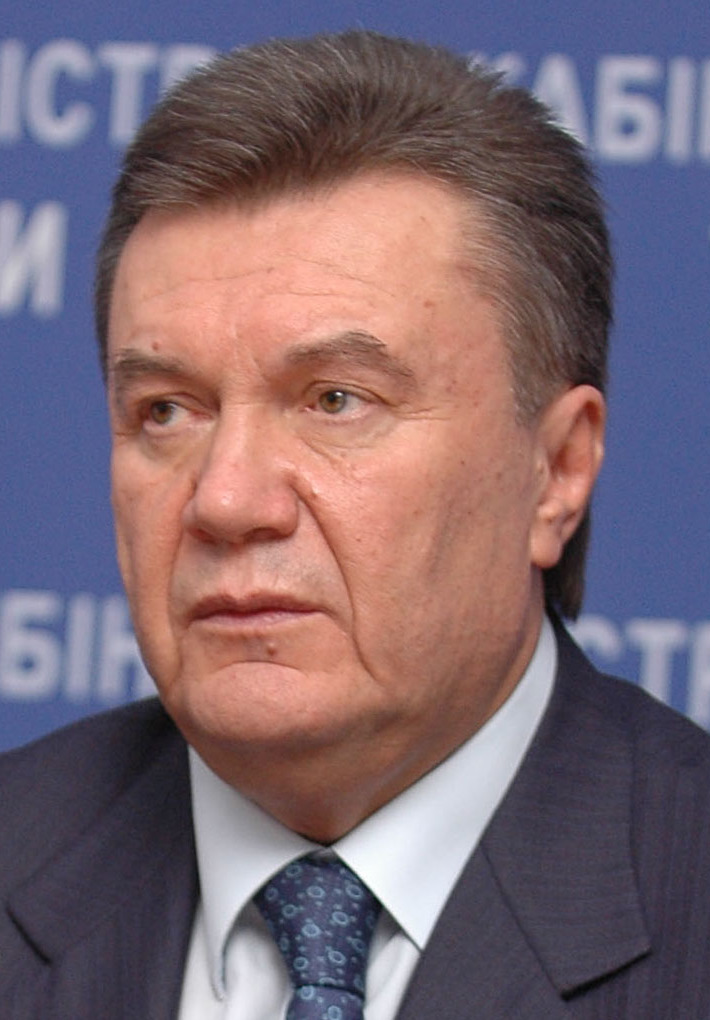


Constitutional basis
The office is defined by the Constitution of Ukraine and by laws that determine the functions and limits of executive power. Ukraine’s system is commonly described as semi-presidential: executive authority is shared between the President, who is head of state, and the Prime Minister, who leads the government. Constitutional provisions set out the Prime Minister’s principal duties, the procedure for appointment and dismissal, and the relationship between the Cabinet and the Verkhovna Rada, the national parliament (Verkhovna Rada).
Powers and responsibilities
As head of government the Prime Minister presides over the Cabinet of Ministers and has a central role in formulating and implementing domestic, economic and administrative policy. Core responsibilities include preparing and presenting the state budget proposals, coordinating the activities of central executive bodies, proposing ministerial candidates for parliamentary approval when required, and representing the government in relations with the parliament and other state bodies. The Prime Minister also ensures execution of laws and presidential decrees insofar as they concern the government’s competence.
Appointment, tenure and accountability
The President typically nominates a Prime Ministerial candidate who must then receive the confidence of the Verkhovna Rada. This approval gives the government a parliamentary mandate to govern. The parliament may express no confidence in the government, prompting resignation or reformation of the Cabinet; in practice political negotiation among parties and the President is a frequent part of forming or maintaining a government. When a Prime Minister leaves office, an acting Prime Minister may be appointed until a successor is confirmed.
Relations with the President and parliament
The Prime Minister’s authority is exercised in the context of a division of responsibilities with the President. The President retains specific powers—particularly in foreign policy, national security and defence—and leads certain appointments, while the Prime Minister concentrates on internal governance and management of ministries. The government must maintain a working relationship with the Verkhovna Rada to secure approval for legislation and the budget and to survive potential votes of no confidence.
Legal status and immunity
While serving in office the Prime Minister benefits from legal protections provided by Ukrainian law. These protections are intended to preserve the functioning of government and may limit certain legal actions during the term of office; for clarity and any particular cases, authoritative legal texts and court practice are the primary sources. Former prime ministers are subject to the law after leaving office.
History and recent developments
Following Ukraine’s declaration of independence from the Soviet Union in 1991 (Independence), the modern office of Prime Minister evolved through constitutional change, political reform and periodic government reshuffles. Counting confirmed appointments there have been multiple prime ministers since independence, with additional individuals serving in acting capacities during transitions. The incumbent Prime Minister, Denys Shmyhal, has headed the government since March 4, 2020, overseeing responses to domestic priorities and external challenges.
Office, protocol and public role
There is no single globally prominent ceremonial residence tied to the office comparable to some other states; the Prime Minister’s official workplace and the collective Cabinet apparatus in Kyiv serve as the operational centre. The Prime Minister engages with domestic constituencies, international partners and multilateral institutions as the primary representative of Ukraine’s government in non-presidential spheres of policy implementation.
Further reading and official sources
Authoritative information on the Prime Minister’s duties, the Cabinet and current composition is available from government and parliamentary sources. General background on the state and its institutions can be found on overview pages about Ukraine and in materials addressing the country’s constitutional development. For institutional profiles consult entries concerning the Cabinet, parliamentary relations (Verkhovna Rada) and official communications from the seat of government in Kyiv. Historical context about independence and post-1991 political development is summarised in resources on Ukraine’s independence and in biographical notices of individual officeholders such as the current Prime Minister.
Related articles
Author
AlegsaOnline.com Prime Minister of Ukraine Leandro Alegsa
URL: https://en.alegsaonline.com/art/79121