
Prince of Condé
Hereditary French princely title borne by a cadet branch of the House of Bourbon; a prince du sang with high court rank, distinct hereditary subsidiary titles, and a notable political and military role.
The title Prince of Condé identified a senior, hereditary title in the French monarchy held by a cadet branch of the royal House of Bourbon. Emerging in the early modern period, it signified membership of the extended royal family and came with legal and ceremonial privileges at the royal court. Holders were recognised as princes du sang (princes of the blood) and occupied one of the most elevated positions among non-reigning nobles.
Image gallery
10 Images



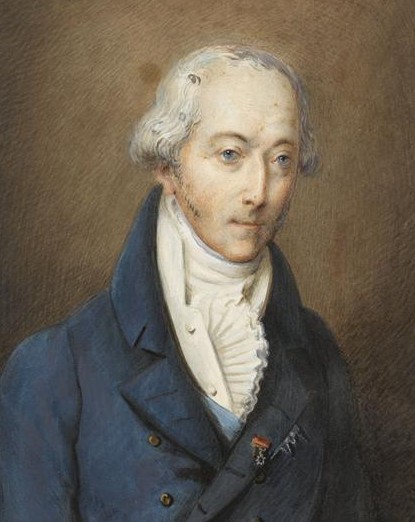

Origins and family background
The title was created for a branch of the Bourbon family associated with the lordship of Condé. Over generations the holders formed a distinct dynastic line within the broader House of Bourbon, often using Condé as a territorial designation to signal their status and lineage. As a cadet branch they maintained close kinship with the reigning kings of France while preserving their own household, estates and political networks.
Rank, style, and court role
As princes du sang, Princes of Condé ranked immediately below members of the royal family and, at times, held the office or precedence described as First Prince of the Blood. They were entitled to special forms of address and ceremonial precedence; in formal written usage the style Serene Highness was applied in some contexts. At court their proximity of blood to the sovereign translated into influence in ceremonial, parliamentary and dynastic matters.
Inheritance, subsidiary titles, and distinctions
- Succession followed male-line inheritance: the princely title passed to male descendants in accordance with dynastic custom.
- Heirs and junior members commonly held or used subsidiary ducal titles such as Duke of Bourbon or Duke of Enghien as courtesy or substantive dignities.
- The family maintained its own estates, patronage networks and legal privileges that reinforced its independent standing within the realm.
The combination of high birth, legal rank and landed wealth made the Condé princes important actors in domestic politics. They were frequently involved as ministers, generals, or faction leaders and often formed strategic marriages with wealthy families and foreign princesses to reinforce their political and financial position.
Political and military significance
Members of the Condé line sometimes commanded armies or led political movements, displaying military skill and ambition that could both support and challenge royal authority depending on circumstances. Their military reputation and dynastic connections meant they played visible roles in wars, court factions and the balance of power among noble houses.
During the revolutionary and Napoleonic upheavals the legal privileges of titled nobility were abolished, and the role of hereditary princes in French public life was profoundly transformed. After successive restorations and regime changes, the memory of the Condé princes survives in histories of the Bourbon monarchy, in surviving family estates and in the wider study of aristocratic life in early modern Europe. For concise reference on ceremonial styles and Bourbon genealogy see related entries and sources.
Key features at a glance:
- Senior princely title of a Bourbon cadet branch.
- Held rank as princes du sang and often First Prince of the Blood.
- Male-line succession with subsidiary ducal titles for heirs.
- Active role in military, political and dynastic affairs.
Questions and answers
Q: What was the Prince of Condé title used for?
A: The Prince of Condé title was used in France while the country was a monarchy.
Q: What other title did the holder of the Prince of Condé title have?
A: The holder of the Prince of Condé title was a member of the extended royal family and therefore held the rank and further title of prince of the blood and the style of Serene Highness but the style was only used when in writing.
Q: What further rank did the holder of the Prince of Condé title have?
A: The holder of the Prince of Condé title also held the important further rank of First Prince of the blood.
Q: What title was usually given to the heir of the Prince of Condé?
A: The heir was usually given the title of Duke of Bourbon and at other times the Duke of Enghien.
Q: Who was allowed to inherit the title of Prince of Condé?
A: The title of Prince of Condé was only to be inherited by the male line as females were expelled from succeeding to titles.
Q: What was the Prince of Condé's rank in relation to the actual royal family?
A: Over the years, the prince was one of the highest ranking prince behind that of the actual royal family.
Q: What family was the Prince of Condé a member of?
A: The Prince of Condé was a member of the French House of Bourbon.
Related articles
Author
AlegsaOnline.com Prince of Condé Leandro Alegsa
URL: https://en.alegsaonline.com/art/79173