
Prince-Bishopric of Liège
An ecclesiastical principality of the Holy Roman Empire in the Low Countries, centered on Liège; existed from the late 10th century until annexation by Revolutionary France in 1795.
Overview
The Prince-Bishopric of Liège was an ecclesiastical principality of the Holy Roman Empire in the historic Low Countries. Centered on the city of Liège in what is now eastern Belgium, it combined spiritual authority and secular sovereignty under a bishop who held the rank and rights of an imperial prince. The transformation into a territorial principality took shape around the end of the tenth century, when a bishop obtained secular control over the County of Huy and other possessions, establishing the basis for an independent prince-bishopric.
Image gallery
10 Images




Territory and political status
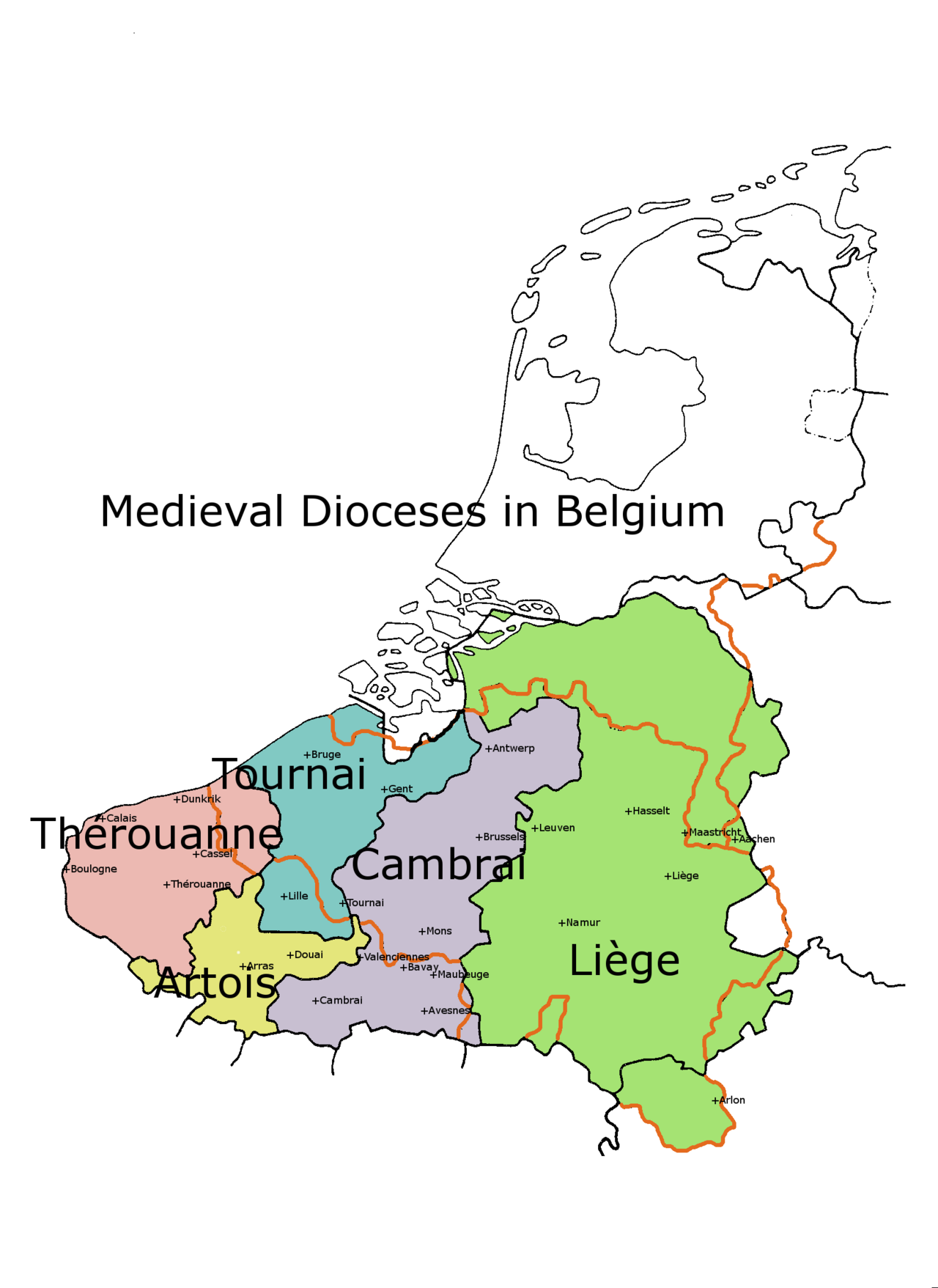
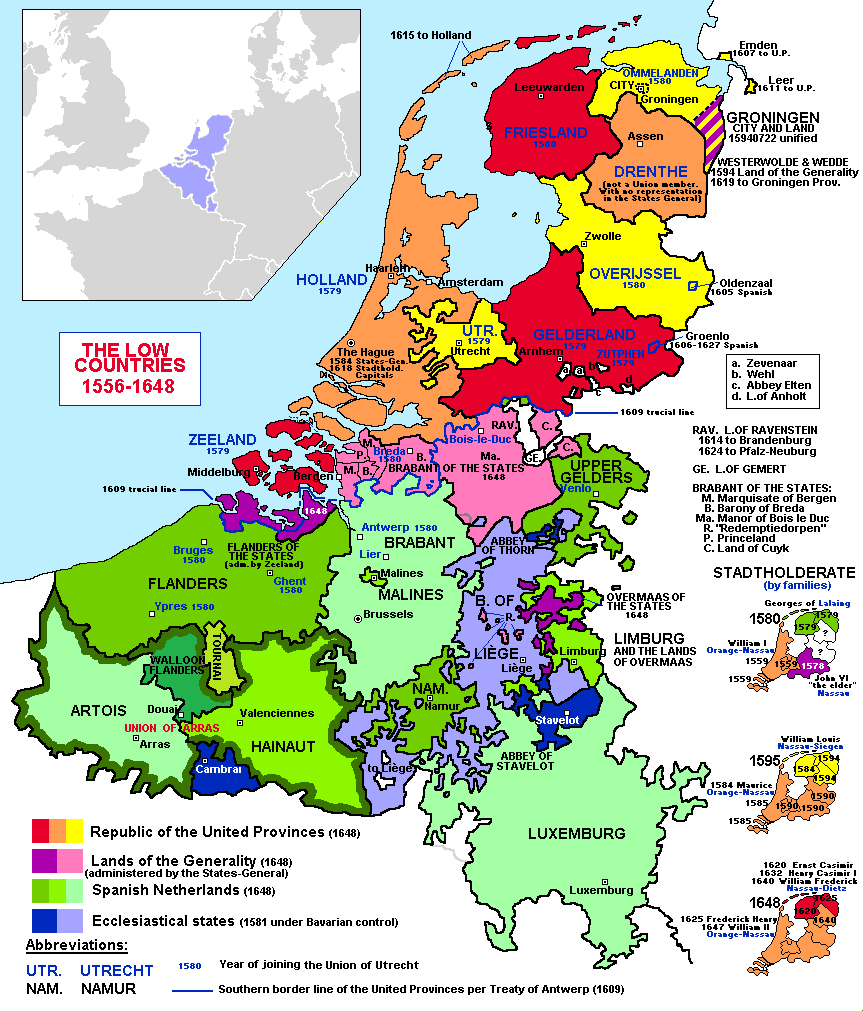
The principality exercised imperial immediacy: it was subject directly to the emperor rather than to an intermediate territorial lord. Its lands formed a patchwork rather than a contiguous state, at various times including much of the area of the modern provinces of Liège and Limburg, together with a number of detached enclaves and manors scattered across the region (exclaves). The episcopal seat and principal city was Liège on the Meuse River (traditionally located at 50°40′N 5°30′E).
Government and institutions
Government combined ecclesiastical structures—most notably the cathedral chapter, which played a key role in the election of bishops—with secular administration. The prince-bishop exercised judicial, fiscal and military prerogatives within his domains, while urban centres enjoyed various privileges and customary rights. Selection of a new prince-bishop typically involved local elites, the cathedral chapter and, at times, influence from the emperor or leading dynasties; this balance shaped the office and its policies over centuries.
Historical development
The origins of the principality lie in the late tenth century when bishops of Liège acquired comital rights and seigneurial control over surrounding territories. The early medieval period saw Liège grow as an ecclesiastical and cultural centre. Throughout the later Middle Ages and the early modern era the prince-bishopric navigated the shifting politics of the Low Countries, at times maintaining autonomy and at others negotiating with powerful neighbours such as Burgundian and Habsburg rulers. From about 1500 the principality was formally grouped within imperial administration as part of the Lower Rhenish–Westphalian Circle, reflecting its recognized place within imperial structures.
Economy, society and culture
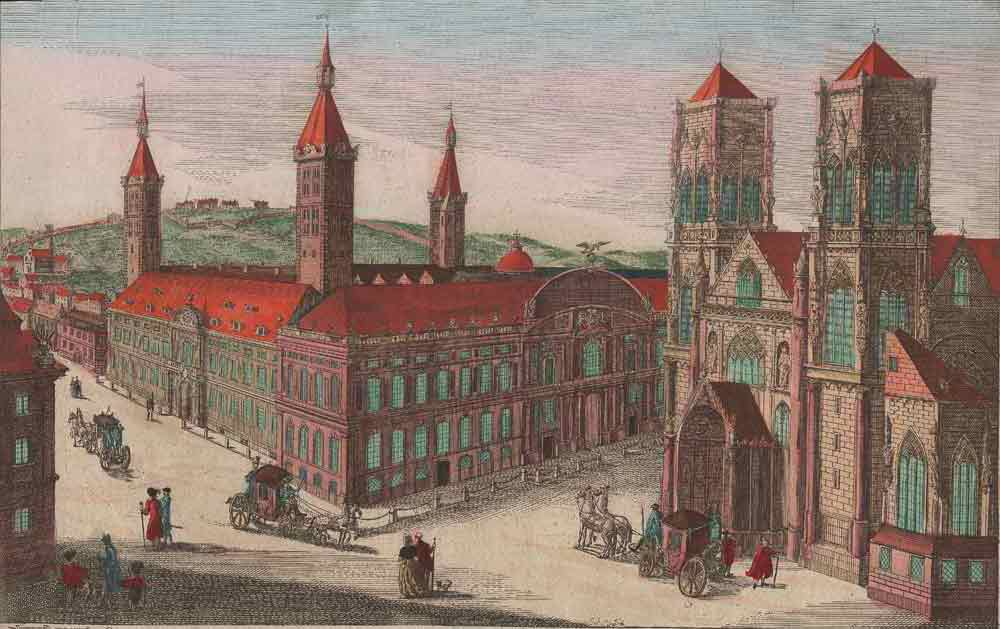
Liège was an important regional market and a centre for crafts and trade owing to its position on the Meuse. Urban artisans produced metalwork and other manufactured goods; by the later early modern period the region became known for specialized industries and workshops. The prince-bishopric supported religious foundations, schools and charitable institutions, and bishops often acted as patrons of architecture, liturgy and the arts. Social life combined urban bourgeois communities, rural peasantry under varied lordships, and an ecclesiastical elite centered on the cathedral chapter.
Conflict, reform and the early modern era
Like other small states of the region, the prince-bishopric experienced internal tensions between the bishop and towns or local nobles seeking autonomy. It was also affected by wider European conflicts and religious change; while the diocese remained Catholic, the political consequences of the Reformation and the struggles between major powers in the Low Countries influenced its diplomacy and security. Administrative reforms and attempts to centralize authority occurred unevenly, often meeting resistance from entrenched municipal liberties.
End of sovereignty and legacy
The principality's independent political existence ended amid the upheavals of the French Revolutionary period. French armies occupied Liège and the surrounding territories, and in 1795 the old structures were abolished and the lands annexed and reorganized under French administration. After the fall of Napoleon the territory of the former prince-bishopric was distributed among successor states and later became part of modern Belgium; diocesan boundaries were adjusted to new national arrangements. The memory of the prince-bishopric persists in local institutions, cathedral architecture, place names and regional identity centered on the city of Liège.
Notable aspects
- Dual role: bishops of Liège combined spiritual leadership and temporal princely authority, a pattern shared by several ecclesiastical principalities in the Empire.
- Patchwork territory: the principality was notable for its scattered holdings and a mix of urban freedoms and feudal lordships rather than a single compact realm.
- Imperial connection: as an immediate territory of the Emperor it was later placed in the Lower Rhenish–Westphalian Circle, linking it to imperial military and political structures.
- Historical turning points: the elevation of bishops to princely status in the late tenth century (notably under Bishop Notger) and the final annexation by France in 1795 mark the political bookends of its existence.
Questions and answers
Q: What was the Bishopric of Liège?
A: The Bishopric of Liège was a state of the Holy Roman Empire in the Low Countries in present-day Belgium.
Q: When did the Bishopric of Liège receive its status as a prince-bishopric?
A: The Bishopric of Liège received its status as a prince-bishopric between 980 and 985.
Q: Who became the Prince-Bishop of the Bishopric of Liège?
A: Bishop Notger became the Prince-Bishop of the Bishopric of Liège after he received secular control of the County of Huy from the emperor.
Q: What circle did the Bishopric of Liège belong to from 1500 on?
A: The Bishopric of Liège belonged to the Lower Rhenish-Westphalian Circle from 1500 on.
Q: What areas were included in the land of the Bishopric of Liège?
A: The land of the Bishopric of Liège included most of the present Belgian provinces of Liège and Limburg, and some exclaves in other parts of Belgium and the Netherlands.
Q: What was the capital of the Bishopric of Liège?
A: The capital of the Bishopric of Liège was Liège.
Q: When was the Bishopric of Liège added into France?
A: The Bishopric of Liège was added into France in 1795.
Related articles
Author
AlegsaOnline.com Prince-Bishopric of Liège Leandro Alegsa
URL: https://en.alegsaonline.com/art/79152