
Jacobite succession
The line of hereditary claimants who, from the deposed Stuart monarchs of 1688, were seen by supporters as the rightful kings and queens of England, Scotland and Ireland and their later fate.
Overview
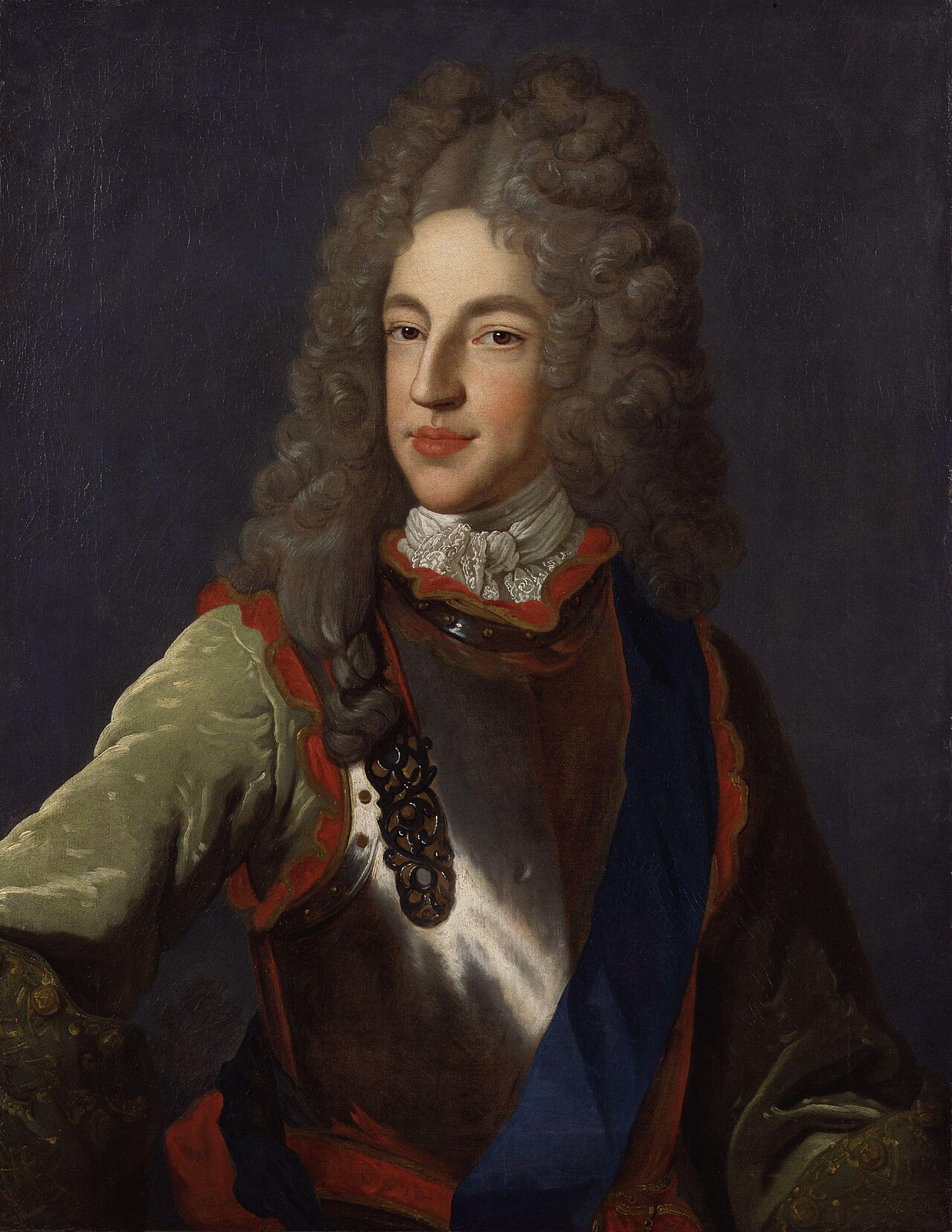
The Jacobite succession refers to the hereditary line of claimants who, after the overthrow of King James II and VII in 1688, were regarded by their supporters as the legitimate monarchs of England, Scotland and Ireland. The movement takes its name from Jacobus, the Latin form of James, and centres on the descendants of the House of Stuart. Jacobites regarded the hereditary rights and, for many, the principle of divine right as superseding the settlement established by the Glorious Revolution of 1688 and later parliamentary legislation.
Image gallery
10 Images





Claims and legal context
From the perspective of Jacobite doctrine the deposed monarch and his heirs remained the de jure sovereigns. In contrast, the de facto government and subsequently the British state recognised the succession established by parliament and by the Act of Settlement (1701). This legal divide—between dynastic legitimacy claimed by Jacobites and parliamentary legitimacy asserted by the new regime—was the root of political and military conflict in the 18th century.
History and principal events
Jacobitism produced periodic uprisings and political agitation. Notable risings occurred in 1689–1691, the 1715 rebellion and the more famous 1745–1746 campaign led by Charles Edward Stuart ("Bonnie Prince Charlie"). These efforts sought to restore Stuart rulers but ultimately failed. The movement combined military attempts with diplomatic and courtly manoeuvres among sympathetic European courts.
Succession after the Stuarts
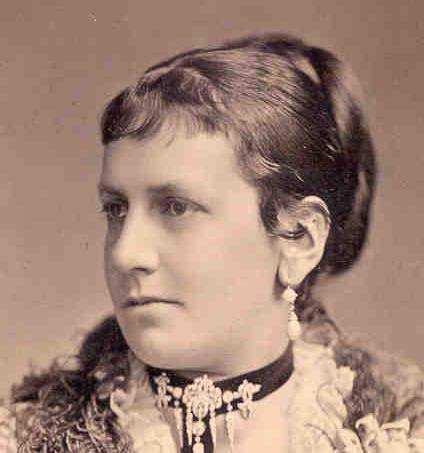
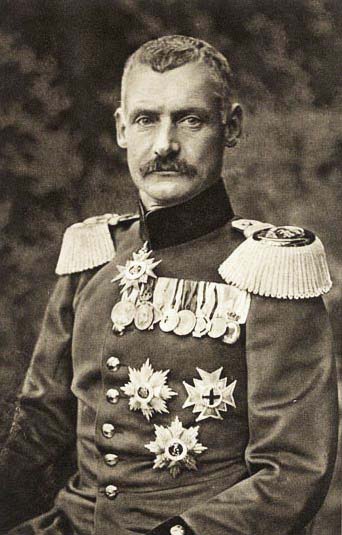
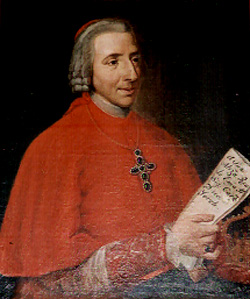
The direct male Stuart line ended with Henry Benedict Stuart, the Cardinal Duke of York, who died in 1807. After his death the genealogical claim passed into other European dynastic houses by hereditary descent. Those later heirs generally did not press a claim to the British thrones, nor did they bear the English and Scottish royal devices in their personal coats of arms; historically Jacobite claimants sometimes displayed the royal arms when asserting their pretensions. The shift away from active claims reflected changing politics and the integration of Europe’s royal families.
Legacy and significance
Jacobite succession remains of interest to historians, genealogists and cultural historians because it highlights competing notions of legitimacy, the interaction of dynastic politics and parliament, and the persistence of political loyalties after regime change. It also left a rich cultural legacy in ballads, folklore and memory, and continues to be discussed in studies of constitutional development in Britain.
Further reading and context
- Key events: the Glorious Revolution and subsequent uprisings — see material on the Glorious Revolution.
- Dynastic context: origins and descendants of the Stuart family and their European connections.
- Symbolism: use and avoidance of royal insignia in later claimants' heraldry, referenced at arms.
Related articles
Author
AlegsaOnline.com Jacobite succession Leandro Alegsa
URL: https://en.alegsaonline.com/art/49021
Sources
- thepeerage.com : "thePeerage.com - Person Page 10136"
- www3.dcs.hull.ac.uk : "Stuart, James Francis Edward, Duke of Cornwall"
- www3.dcs.hull.ac.uk : "Stuart, Charles Edward Louis Casimer, Prince of Wales"
- www3.dcs.hull.ac.uk : "Stuart, Henry Benedict Thomas Maria, Duke of York"
- simple.wiktionary.org : illegitimate