
Prohibition Party (United States political party)
A U.S. political party founded in 1869 advocating temperance and the legal prohibition of alcohol; influential in the 19th–early 20th century temperance movement and still active as a minor party.

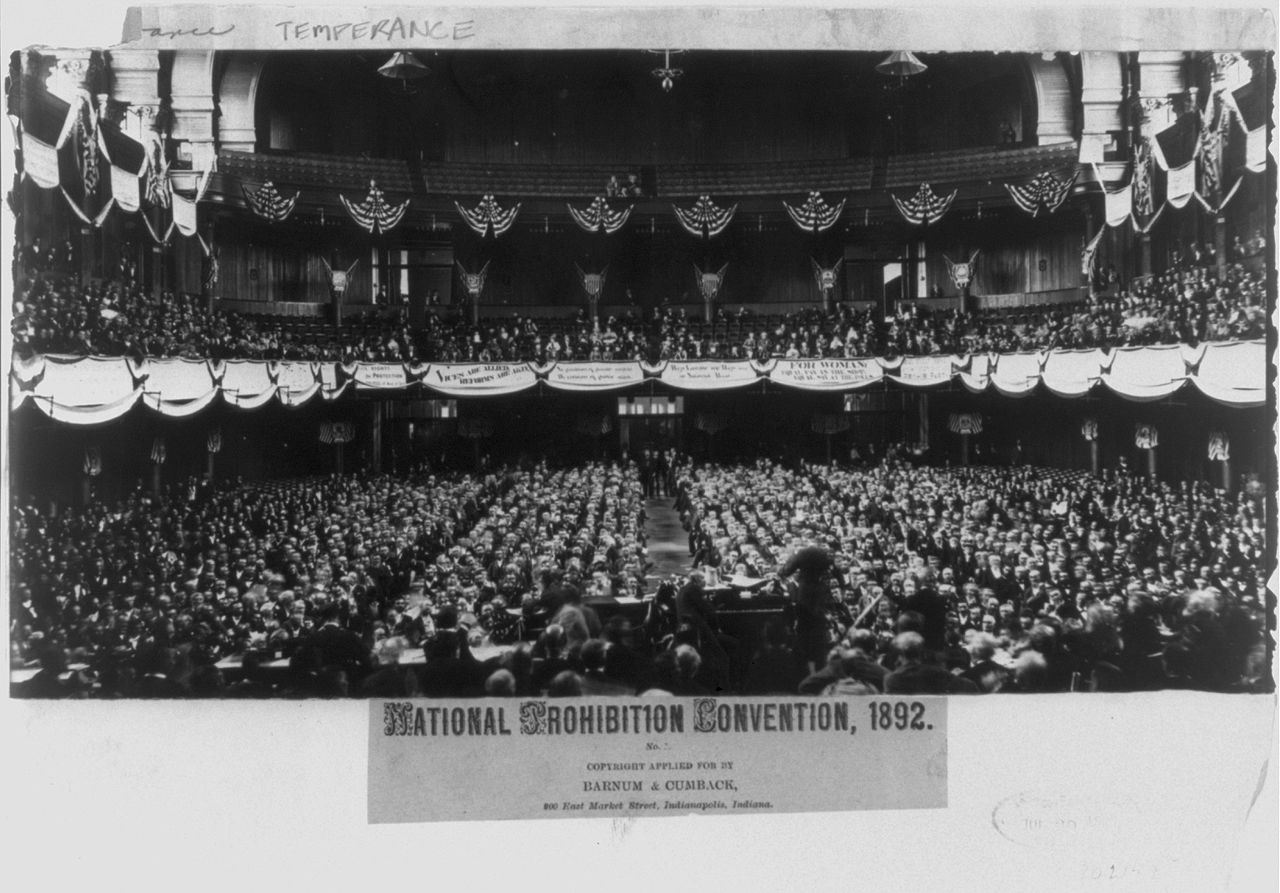
The Prohibition Party is a political organization in the United States formed in the late 19th century to promote laws banning the manufacture, sale and consumption of alcoholic beverages. Founded as part of a broad moral and social reform impulse, the party is best known for its central policy goal—legal prohibition of alcohol—and for its long existence as the country's oldest continuously operating third party.
Image gallery
10 Images




Principles and platform
The party's core platform historically emphasized temperance, public morality, and social reform. Over time its positions have included support for legal measures to restrict or prohibit alcohol, promotion of family and community welfare, and other reforms tied to the religious and social temperance tradition. In modern decades the organization has sometimes broadened its agenda to address issues such as gambling, drug policy, and family-focused social policies, but prohibition of alcoholic beverages remains its defining stance.
History and influence
The Prohibition Party emerged from the wider temperance movement and became an organized political vehicle in 1869. During the late 19th and early 20th centuries it participated in the dynamics of the Third Party System, running presidential candidates and influencing public debate. The temperance movement as a whole helped create the political conditions that produced national prohibition in the United States with the 18th Amendment (ratified 1919) and the Volstead Act, though the party itself never became a major electoral force at the federal level.
Decline and later activity
The party's public prominence declined sharply after the national experiment with Prohibition ended following the repeal of Prohibition in 1933. Since then it has functioned as a small, persistent minor party that fields occasional candidates for local, state and national office. In recent presidential elections its vote totals have been modest: the party's 2012 candidate, Jack Fellure, received a very small number of votes, and its 2016 nominee, James Hedges, similarly recorded modest support. Despite limited electoral success, the organization continues to exist and to advocate its historic cause.
Legacy and notable facts
- The Prohibition Party is the longest-surviving third party in the modern United States political landscape.
- Its greatest impact was indirect: helping shape public opinion and alliances that contributed to national prohibition policies in the early 20th century.
- It illustrates how single-issue parties can influence broader political movements even without winning major offices.
Today the Prohibition Party is primarily of historical and scholarly interest as an example of social reform translated into party politics. Its long existence offers insight into the role of moral reform movements in American political life, the limits of single-issue parties in sustaining wide electoral appeal, and the continuing presence of small parties in the United States political ecosystem.
Related articles
Author
AlegsaOnline.com Prohibition Party (United States political party) Leandro Alegsa
URL: https://en.alegsaonline.com/art/79397