
President of Uganda
The President of Uganda is the nation's head of state and head of government, leading the executive, commanding the armed forces, and exercising wide constitutional powers shaped by history and recent amendments.
The President of the Republic of Uganda serves as both the head of state and the head of government of Uganda. As chief executive, the president leads the executive branch, represents the country in foreign relations, and is the commander-in-chief of the armed forces. The office combines political leadership, administrative authority and constitutional responsibilities that shape national policy and public life.
Image gallery
4 Images
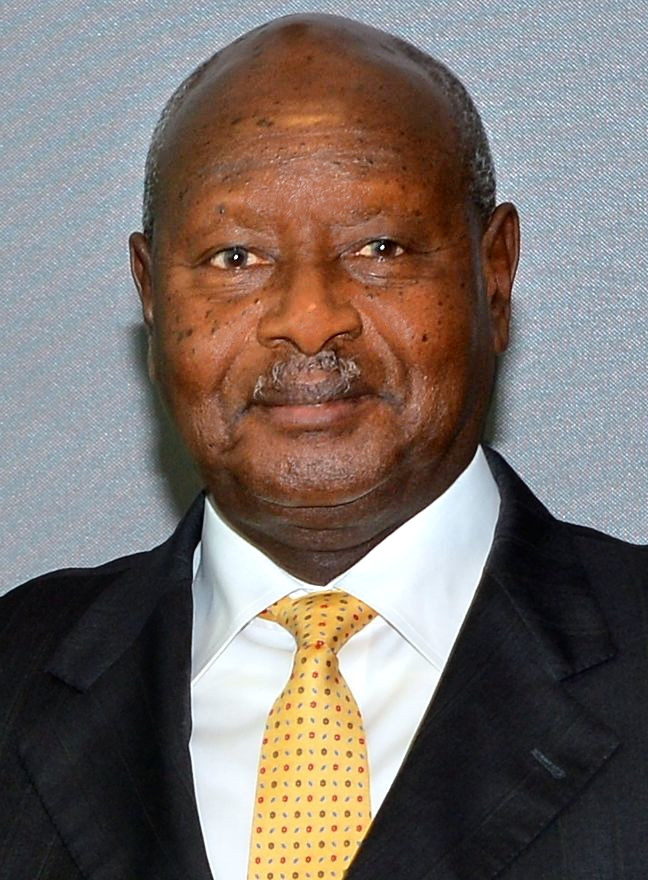


Constitutional role and powers
Under Uganda’s constitutional framework the presidency carries a range of powers and functions. These commonly include appointing cabinet ministers and senior civil servants, directing national security policy, signing or assenting to legislation, and exercising clemency such as pardons and commutations. The president often chairs or influences key councils and committees that coordinate government action, and plays a central role in setting the political agenda.
Typical duties
- Leading national government and implementing policy across ministries
- Commanding the armed forces and overseeing national defence
- Conducting foreign relations and representing the state abroad
- Appointing senior officials, judges, and diplomatic representatives
- Assenting to or returning legislation and using executive instruments to administer law
Election, term limits, and constitutional changes
The presidency is filled by national election. Since the 1990s Uganda has operated under a written constitution that set out electoral procedures and eligibility conditions. In 2005 the constitution was amended to remove presidential term limits, and in 2017 a separate amendment eliminated a previous upper age restriction for presidential candidates. Those changes altered the institutional checks on tenure and have been an important focus of public debate and international attention.
History and notable facts
The office of the president in Uganda has evolved through periods of colonial transition, independence, and multiple constitutional arrangements. In the late 20th and early 21st centuries the presidency became strongly centralised in practice, with long-serving incumbents shaping policy and institutions over extended periods. The dynamics of presidential power have influenced party politics, governance reforms, and discussions about democratic accountability.
Role in governance and public life
The president’s conduct affects economic policy, security, and the rule of law, making the office a focal point for both support and criticism. Debates about constitutional reform, succession, and the balance between executive authority and other branches of government remain central to Ugandan public life. For further general background on state institutions and the presidency consult available resources and analyses that examine the office in historical and comparative perspective.
Related articles
Author
AlegsaOnline.com President of Uganda Leandro Alegsa
URL: https://en.alegsaonline.com/art/78915