
National Assembly (Slovenia) — Državni zbor
The National Assembly (Državni zbor) is Slovenia’s 90-member legislative chamber. Elected for four years, it drafts and adopts laws, confirms governments, supervises the executive and protects minority representation.
Overview
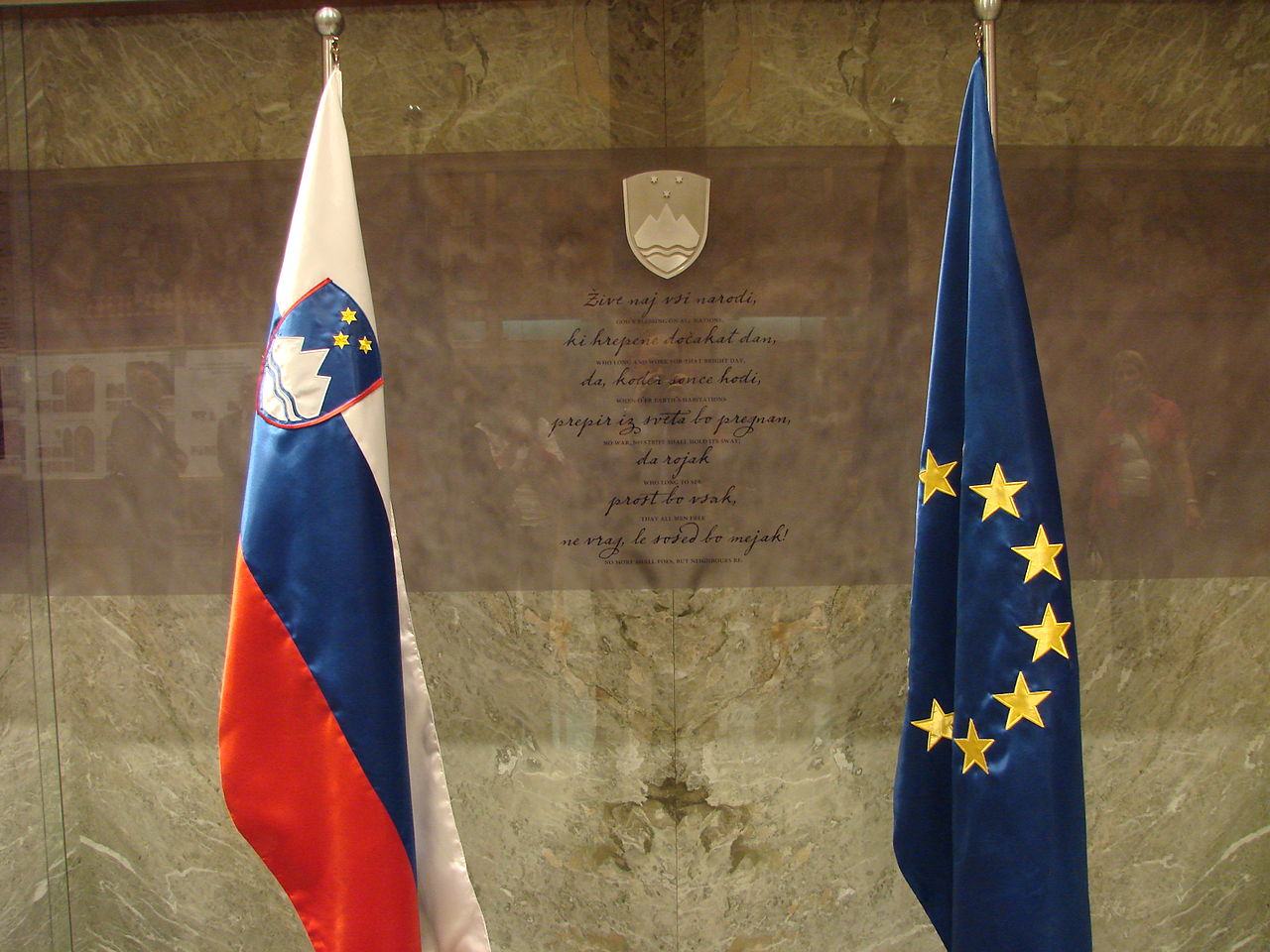
The National Assembly of the Republic of Slovenia, commonly known by its Slovene name Državni zbor, is the principal legislative chamber in Slovenia’s parliamentary system. It forms the larger part of the country’s bicameral Parliament and is the central forum for producing national legislation, debating public policy and exercising democratic oversight.
Image gallery
3 Images

Composition and election
The Assembly comprises 90 members who serve four-year terms. Most deputies are chosen by proportional representation from party lists in multi-member constituencies; two seats are reserved to represent the Italian and Hungarian national minorities. Elections determine the balance of parties in the chamber and thereby influence government formation.
Powers and functions
The National Assembly enacts laws, adopts the state budget, ratifies international treaties and supervises the work of the government. It confirms the prime minister and the cabinet, can pass votes of confidence or no confidence, and participates in decisions on matters of national security and constitutional change. It also has the authority to initiate or approve the calling of referendums under procedures set out in the constitution.
Organization and procedure
Work in the Assembly is carried out in plenary sittings and through standing committees that examine legislation, budgetary matters and oversight issues. The chamber elects a presiding officer (the President of the National Assembly) from among its members. Deputies enjoy certain parliamentary immunities while performing their mandates, and rules of procedure regulate readings of bills, public hearings and amendment processes.
History and significance
The modern National Assembly took shape after Slovenia’s move to independence in 1991 and the adoption of a new constitution. It succeeded earlier republican bodies and became the central institution for establishing Slovenia’s democratic institutions, market-oriented reforms and accession processes to international organizations. The Assembly remains the focal point for political debate and for translating electoral results into governing coalitions and policies.
Notable features
- Combination of proportional representation with guaranteed minority representation for Italian and Hungarian communities.
- Role as both legislator and principal supervisory body over the executive branch.
- Committees and plenary procedures designed to balance party representation with detailed policy scrutiny.
For legislative texts, committee reports and session calendars consult official parliamentary sources and materials published by the institution itself.
Author
AlegsaOnline.com National Assembly (Slovenia) — Državni zbor Leandro Alegsa
URL: https://en.alegsaonline.com/art/143176