
President of Ghana
The President of Ghana is the elected head of state and government, Commander-in-Chief of the armed forces, and chief executive under Ghana’s constitution. This article outlines roles, election, history, and duties.
The President of Ghana is the nation's elected chief executive who serves as both head of state and head of government, and holds the constitutional role of Commander-in-Chief of the Ghana Armed Forces. The presidency combines symbolic and practical authority: the occupant represents Ghana internationally, leads the executive branch, and directs national policy. The current officeholder is Nana Akufo-Addo, who serves from the capital, Accra.
Image gallery
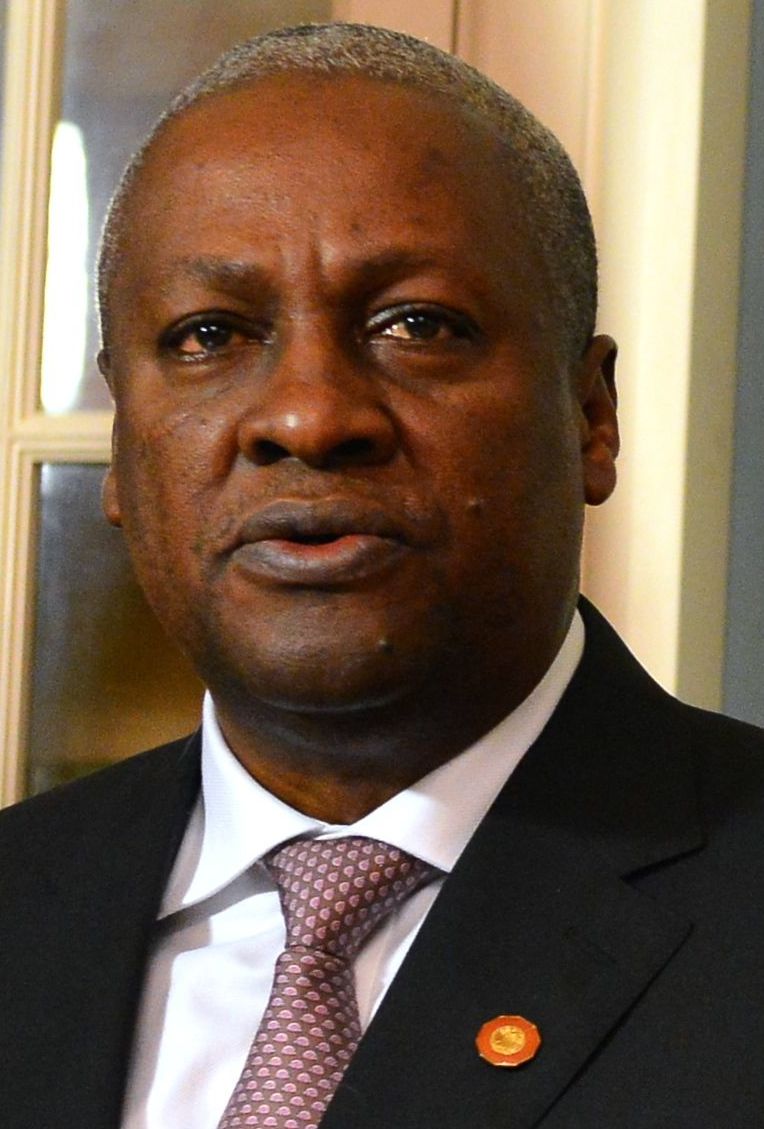
7 Images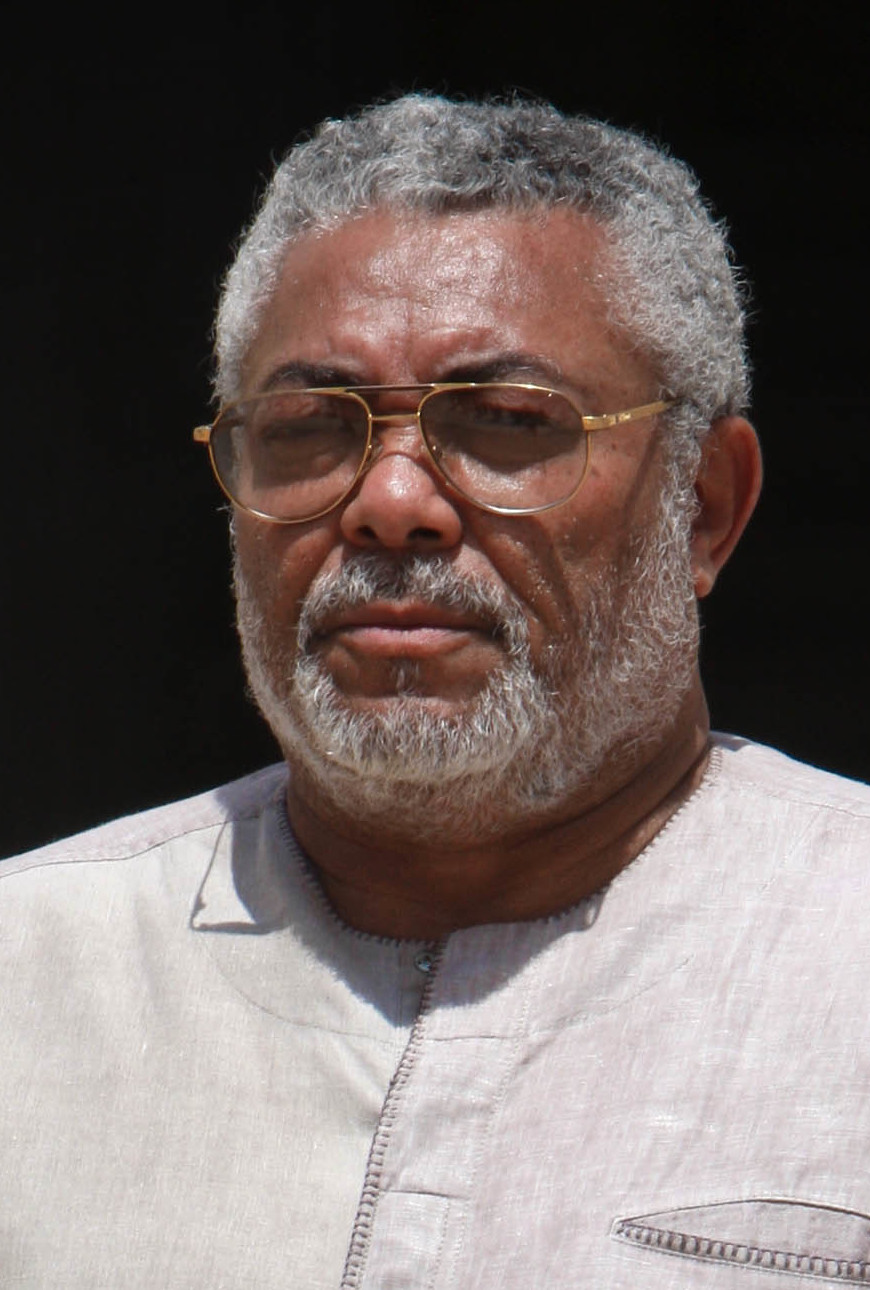




Roles and powers
The president’s responsibilities include implementing laws, setting government priorities, and supervising ministries and public agencies. Typical powers and duties are:
- Appointing a vice‑president, ministers and other senior officials, often with parliamentary approval.
- Assenting to bills passed by parliament to make them law and exercising influence over legislative priorities.
- Directing national defense and security as Commander‑in‑Chief.
- Representing Ghana abroad, negotiating treaties and receiving foreign envoys.
Election, term and succession
The president is chosen by popular vote under the rules of Ghana’s constitution. Terms and limits are established to ensure periodic, democratic transfer of power. The vice‑president succeeds to the office in case of death, incapacity or removal, and succession procedures are defined to preserve continuity of government.
Residence, symbols and administration
The official presidential residence and offices are located in Accra and serve as the administrative center for executive functions. The presidency is supported by a private office and a broader civil service that implements policy and manages day‑to‑day affairs. Ceremonial symbols and protocols mark the president’s national role.
History and significance
The modern presidency emerged with Ghana’s republican constitution and has evolved through multiple constitutional eras. The office has been central to Ghana’s post‑independence development, political transitions and international relations. Changes in constitutional rules and political practice have shaped the balance between presidential authority and parliamentary and judicial checks.
For more information on the institution, its legal framework and recent incumbents, see general resources about Ghana and comparative studies of heads of state and government. Further official and historical documents are available through governmental and archival collections.
Related articles
Author
AlegsaOnline.com President of Ghana Leandro Alegsa
URL: https://en.alegsaonline.com/art/78827