
President of Guyana
The President of the Co-operative Republic of Guyana serves as head of state and government, commander-in-chief, and chancellor of national orders, carrying executive, representative and ceremonial responsibilities.
Overview
The President of the Co-operative Republic of Guyana is the country's chief public official who combines the roles of head of state and head of government. As described in Guyana's constitution, the office represents the unity and sovereignty of the nation, leads the executive branch, and serves as commander-in-chief of the armed forces. The president also holds the formal title of Chancellor of the Orders of Guyana and fulfills a number of ceremonial and representational duties at home and abroad. For the constitutional definition of the role see head of state and for executive aspects see head of government. More context on the country is available at Guyana.
Image gallery
10 Images
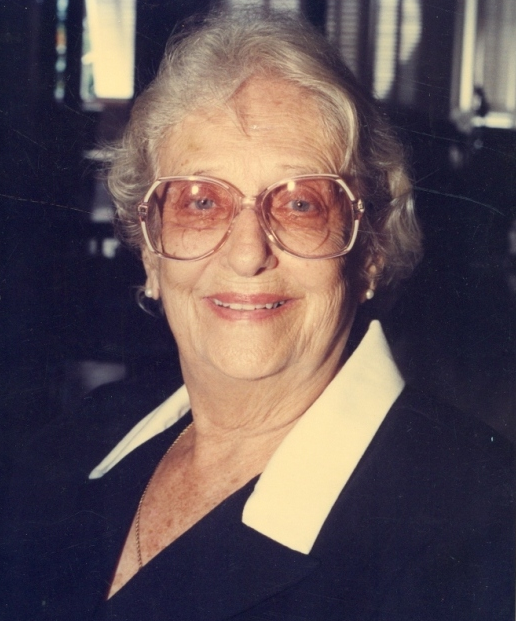


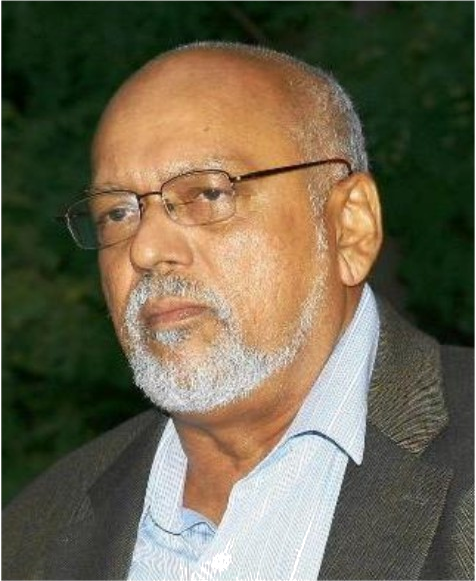


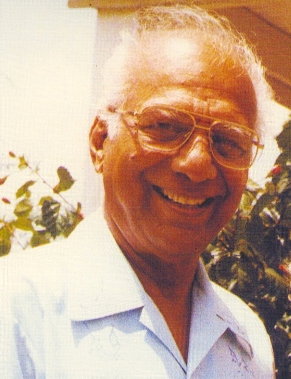


Powers and responsibilities
The president's responsibilities span political leadership, governance, and national representation. Key functions commonly associated with the office include:
- Setting broad policy direction and leading the national executive.
- Appointing and directing ministers and other senior officials, typically in consultation with political partners and constitutional bodies.
- Representing Guyana in diplomatic relations and receiving foreign envoys.
- Acting as commander-in-chief of the defence forces and overseeing national security policy.
- Carrying out ceremonial duties, such as presiding over national honours as Chancellor of the Orders.
Selection, term and accountability
The constitution sets out the basic framework for how a president assumes and relinquishes office, and it provides mechanisms for succession, resignation, and removal. Depending on constitutional provisions and electoral practice, the president is chosen through national processes that link the executive to the legislature and the electorate. The office is subject to legal and political checks that may include legislative oversight, judicial review, and, where provided, procedures for impeachment or removal for misconduct.
Historical development
The presidential office in Guyana evolved from the country's transition away from colonial governance. After independence from colonial rule and the establishment of a republic, the head-of-state role became vested in a locally constituted presidency rather than a foreign monarch or representative. Over time, constitutional changes and political developments have shaped the balance of powers between the presidency, the legislature and the judiciary, producing the contemporary arrangement in which a single executive both represents the nation and leads the government.
Significance and notable distinctions
Guyana's presidency is notable for combining ceremonial symbolism with active executive authority. Unlike purely ceremonial heads of state in some parliamentary systems, the president of Guyana performs substantive policy and administrative functions. The office is the focal point for foreign policy, defence oversight, and national honours, and it plays a central role during periods of political transition or crisis. Observers often highlight the interplay between the president and other constitutional actors—such as the national assembly and the judiciary—as decisive for how effectively government operates.
Further reading
For more detailed legal text and procedural descriptions consult constitutional sources and authoritative summaries that explain the presidency's powers, appointment procedures, and historical changes. Official government material and independent analyses provide complementary viewpoints on how the office functions in practice and how it has adapted to evolving political contexts.
Related articles
Author
AlegsaOnline.com President of Guyana Leandro Alegsa
URL: https://en.alegsaonline.com/art/78829
Sources
- guyanatimesgy.com : "Ramotar blasts arbitrary handout of national awards"