
President of Armenia
The president of Armenia is the country's head of state, a largely ceremonial office defined by the constitution and elected by the legislature for a single seven-year term.
The president of Armenia (Armenian: Հայաստանի Նախագահ, Hayastani Nakhagah) serves as the republic's head of state. The office represents Armenia both domestically and abroad, performs constitutional duties, and stands above day-to-day party politics. Following constitutional reform, the president is chosen by the legislature rather than by direct popular vote.
Image gallery
10 Images


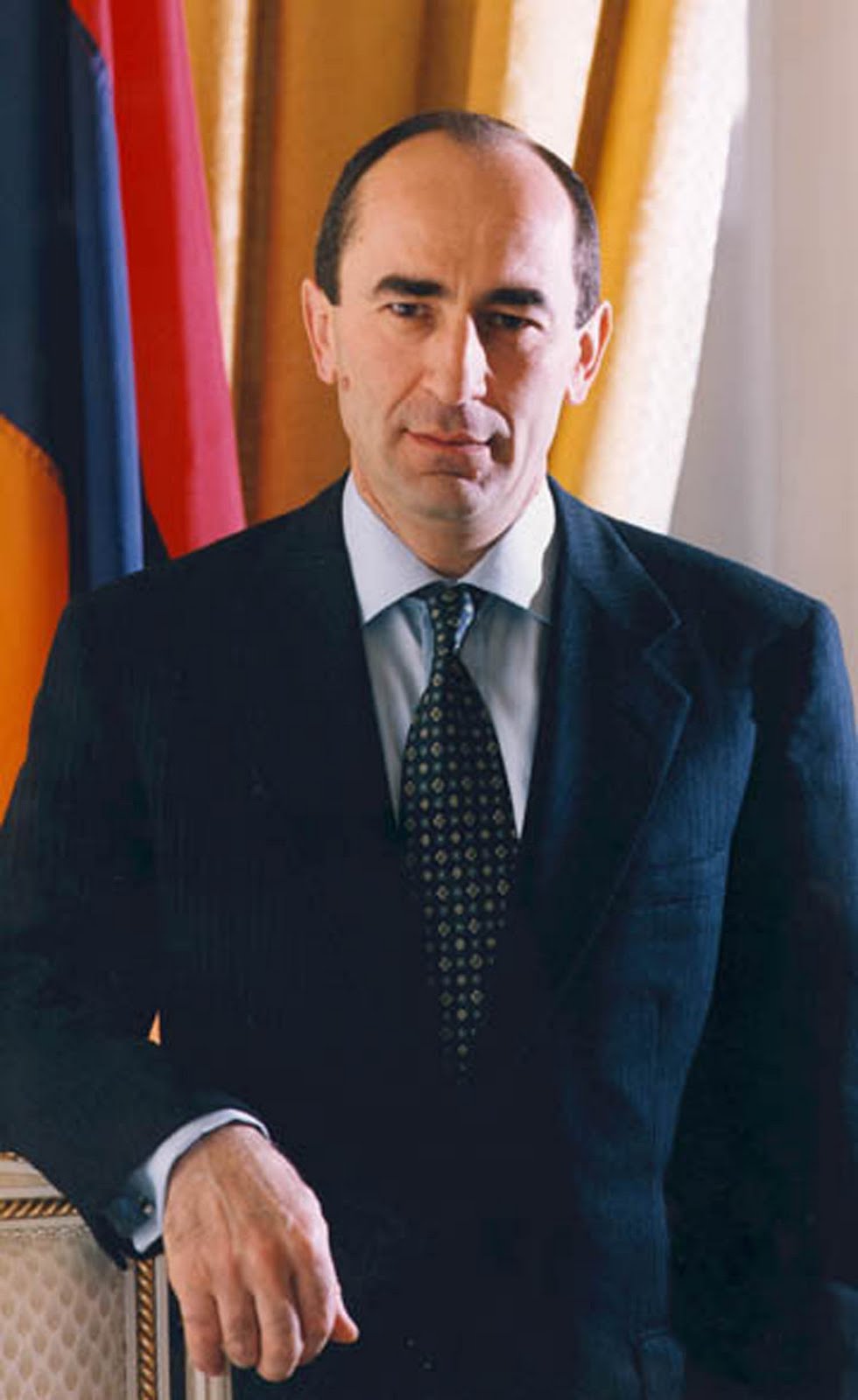
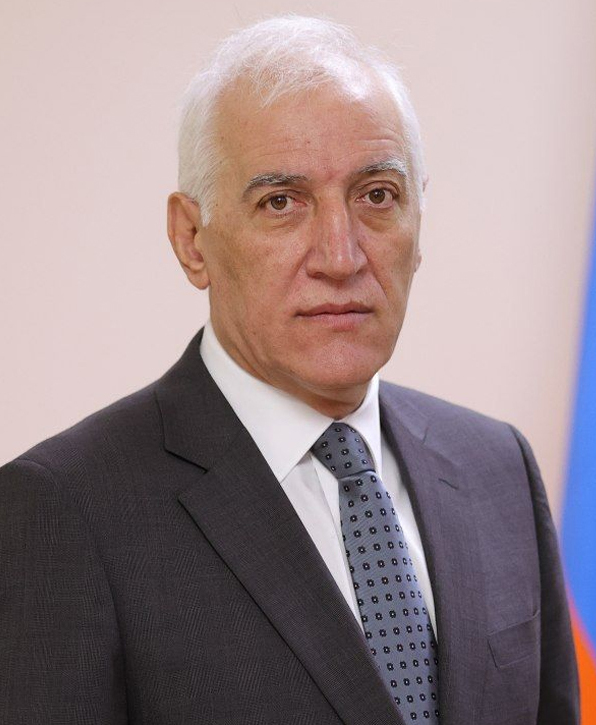


Role and functions
The president's responsibilities are primarily formal and symbolic, with real executive authority resting with the government led by a prime minister. Typical presidential duties include promulgating laws, receiving foreign envoys, conferring honors and pardons, and acting as a unifying figure in times of crisis. The precise scope of powers is set by the constitution and may be exercised in consultation with other state institutions.
Election and term
Under the current constitutional framework the president is elected by the National Assembly for a single seven-year term and cannot be re-elected. This arrangement was introduced as part of a transition toward a parliamentary system, shifting many executive functions to the prime minister and parliament.
History and development
The office evolved after the dissolution of the Soviet Union and Armenia's declaration of independence in 1991. Early post‑Soviet constitutions gave the president broader powers typical of semi-presidential systems. Later constitutional amendments gradually rebalanced authority toward the legislature and government, changing how the president is selected and how the role interacts with other branches.
The president of Armenia remains an important constitutional actor: a head of state who embodies national continuity, performs ceremonial duties, and provides checks in specific constitutional procedures. The role is often distinguished from the prime minister, who carries primary responsibility for governance and policy implementation.
- Main functions: representation, law promulgation, diplomatic acts, ceremonial leadership.
- Selection: elected by the National Assembly for one seven-year, non-renewable term.
- Significance: symbolizes national unity and continuity within a parliamentary framework.
Related articles
Author
AlegsaOnline.com President of Armenia Leandro Alegsa
URL: https://en.alegsaonline.com/art/78801