
Preakness Stakes
The Preakness Stakes is a Grade I American thoroughbred race run each May at Pimlico Race Course in Baltimore; it is the middle jewel of the Triple Crown and run at 1 3/16 miles on dirt.
Overview
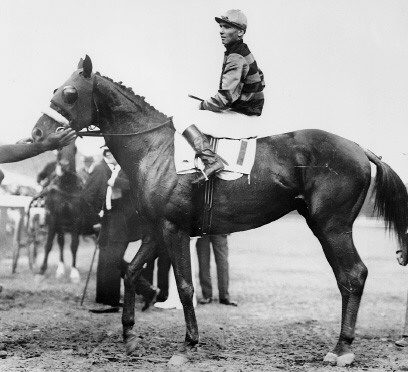
The Preakness Stakes is an American Grade I thoroughbred flat race held annually at Pimlico Race Course in Maryland. Traditionally run on the third Saturday in May, it serves as the second leg of the Triple Crown, coming about two weeks after the Kentucky Derby and roughly three weeks before the Belmont Stakes. The race attracts the leading three‑year‑old horses and is one of the sport's most watched events.
Image gallery
8 Images



Race conditions and course
The Preakness is contested on a dirt surface at a distance of 1 3/16 miles (9.5 furlongs). Weight assignments are standard for the division: colts and geldings carry 126 pounds, while fillies are assigned 121 pounds. The race is a stakes contest at the highest grading and typically draws connections aiming to keep Triple Crown hopes alive after the Derby.
History and traditions
First run in the 19th century, the Preakness developed its own pageantry and rituals. A blanket of Black‑Eyed Susans is traditionally presented to the winner; because the flower is not in bloom in May around Baltimore, a similar floral blanket or substitute greenery is used instead. In addition to the on‑track competition, the day features parades and social events that are part of the local racing culture.
Significance and notable winners
As the middle jewel of the Triple Crown, the Preakness often determines whether a Kentucky Derby winner will attempt the Triple Crown at Belmont. Many of the sport's most famous champions—such as Secretariat, Seattle Slew, Affirmed and American Pharoah—recorded Preakness victories on their paths to racing immortality. Winning the Preakness is a major career achievement for horses, trainers and owners.
Notable facts and distinctions
- The Preakness has a lively infield atmosphere and is a showcase for both sport and social tradition in Baltimore.
- Its placement between the Derby and Belmont creates strategic decisions about rest, travel and entries for top three‑year‑olds.
- Because it is shorter than the Belmont, the Preakness tends to favor speedier types compared with the longer third jewel.
The Preakness remains a centerpiece of American horse racing: a steeped tradition with competitive importance, regional pride for Pimlico and Maryland, and a key chapter in any Triple Crown bid.
Related articles
Author
AlegsaOnline.com Preakness Stakes Leandro Alegsa
URL: https://en.alegsaonline.com/art/78661