
Preparations for Hurricane Katrina
Overview of how authorities, communities, and individuals prepared for Hurricane Katrina in 2005, including warnings, evacuations, infrastructure measures, and lessons learned.
Overview
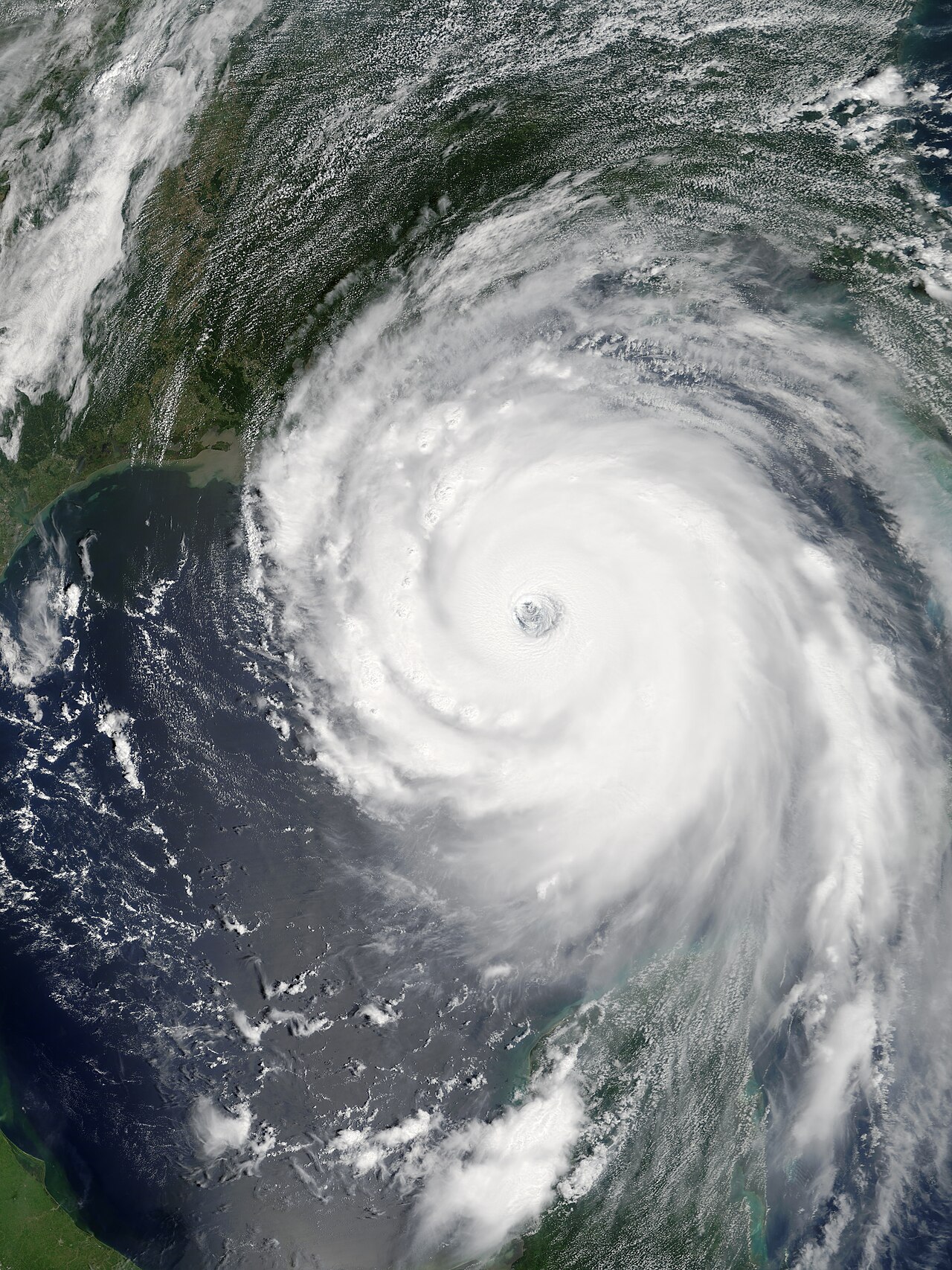
Hurricane Katrina was a powerful Atlantic storm in August 2005 that intensified over the Gulf of Mexico and caused catastrophic damage along the U.S. Gulf Coast. Preparations for Katrina involved a mix of official warnings, evacuation orders, sheltering plans, and defensive measures for infrastructure. Official weather guidance and emergency bulletins played a central role in public planning; for primary advisories see National forecasts and advisories.
Image gallery
10 Images



Warnings and official actions
As the storm strengthened, federal, state, and local agencies issued increasingly urgent notices. Emergency managers used evacuation zones, transportation planning, and public messaging to encourage people to leave high-risk areas. Mass transit systems and highways were managed to support outbound traffic; some cities opened designated shelters and announced routes for contraflow traffic to speed evacuations.
Measures taken to protect property and infrastructure
Authorities and property owners employed a range of measures aimed at reducing damage: boarding windows, moving valuables to higher floors, and securing boats and industrial facilities. In coastal and riverine areas, attention focused on levees, floodwalls, and pumps. Utility companies staged crews and equipment for rapid post-storm restoration.
Community and sheltering responses
Many local governments opened emergency shelters and designated civic facilities for refuge. Notable examples included large indoor venues used as public shelters and staging areas for aid distribution. Groups with limited mobility, residents without transportation, and transient populations required targeted assistance; institutions such as hospitals and nursing homes activated continuity plans and coordinated transfers.
Typical preparedness actions
- Heeding official evacuation orders and planning routes.
- Securing homes and businesses; elevating or relocating valuables.
- Stockpiling emergency supplies—water, food, medications, and fuel.
- Coordinating mutual aid and pre-staging emergency crews and equipment.
Limitations, failures, and lessons
Despite extensive preparations, Katrina revealed significant gaps: some evacuation systems could not move everyone, critical infrastructure proved vulnerable to flooding, and coordination among agencies faced challenges. Public inquiries and after-action reviews highlighted the need for better evacuation planning, stronger levee and flood defenses, clearer communication, and more robust disaster logistics. Subsequent policy changes and investment priorities were influenced by those findings; see policy reviews and follow-up studies at state reports and federal evaluations.
Significance and continuing relevance
Katrina's preparation efforts and the problems exposed continue to inform emergency management, urban planning, and community resilience work. Planners now emphasize early warning, inclusive evacuation plans, resilient infrastructure, and community-based preparedness. For historical summaries and guidance used since the event consult preparedness resources.
Questions and answers
Q: What is Hurricane Katrina?
A: Hurricane Katrina is a major category 5 hurricane that caused massive destruction in Louisiana, Mississippi, and Alabama.
Q: What was the impact of Hurricane Katrina?
A: Hurricane Katrina caused enormous destruction, with many areas being completely devastated, and resulted in the loss of many lives.
Q: What part did preparations play in mitigating the damage caused by Hurricane Katrina?
A: Preparations played a vital role in mitigating the damage caused by Hurricane Katrina, as proper planning and preparedness activities helped residents to evacuate early and minimize losses.
Q: What are some of the measures that were taken to prepare for the imminent impact of Hurricane Katrina?
A: Some of the measures taken to prepare for the impact of Hurricane Katrina include evacuation orders and centers, sandbagging of vulnerable areas, and securing crucial infrastructure and services.
Q: Which areas were the most affected by Hurricane Katrina?
A: The areas that were most affected by Hurricane Katrina include Louisiana, Mississippi, and Alabama, where the storm caused severe damage to homes, businesses, and infrastructure.
Q: Why is it important to make preparations for natural disasters such as Hurricane Katrina?
A: It is important to make preparations for natural disasters such as Hurricane Katrina because they are unpredictable and can cause enormous destruction and loss of lives if adequate plans are not put in place.
Q: What lessons were learned from the preparations for Hurricane Katrina, and how have they been implemented since?
A: The preparations for Hurricane Katrina taught valuable lessons about the need for better planning and coordination among different agencies, as well as the importance of having adequate resources and infrastructure in place to deal with natural disasters. These lessons have been implemented in subsequent disaster preparation efforts.
Related articles
Author
AlegsaOnline.com Preparations for Hurricane Katrina Leandro Alegsa
URL: https://en.alegsaonline.com/art/78766
Sources
- nhc.noaa.gov : Tropical Storm Katrina Advisory Number 4
- nhc.noaa.gov : Tropical Storm Katrina Discussion Number 6
- georgewbush-whitehouse.archives.gov : Statement on Federal Emergency Assistance for Louisiana
- simple.wikisource.org : Urgent Weather Message
- usatoday.com : New Orleans flees as Katrina approaches Gulf Coast
- amtrak.com : Service Alert: Hurricane Katrina Update - City of New Orleans, Crescent, Sunset Limited - Revised Service Information
- nhc.noaa.gov : Hurricane Katrina Probabilities Report Number 15
- nhc.noaa.gov : Hurricane Katrina Probabilities Report Number 21
- news.nationalgeographic.com : Hurricane Katrina Pulls Its Punches in New Orleans
- sciam.com : Drowning New Orleans
- magma.nationalgeographic.com : Gone with the Water
- nola.com : Washing Away: Special Report from The Times-Picayune
- foxnews.com : Katrina Heads for New Orleans
- nola.com : 26,000 shelter at Superdome