
Quinceañera: Latin American Coming-of-Age Celebration
A quinceañera is a cultural coming-of-age celebration for a girl’s fifteenth birthday in many Latin American communities, blending religious rites, family rituals, dance, and social symbolism with regional variations.
The quinceañera is a social and cultural celebration marking a girl’s transition toward young womanhood on her fifteenth birthday in many Latin American traditions and diasporic communities. While the form and emphasis vary by country, region and family, the event commonly combines a religious thanksgiving, a formal reception, ritual gestures that symbolize maturity, and a ceremonial court made up of friends and relatives. It functions as both a personal milestone and a public affirmation of family ties and cultural identity.
Image gallery
6 Images
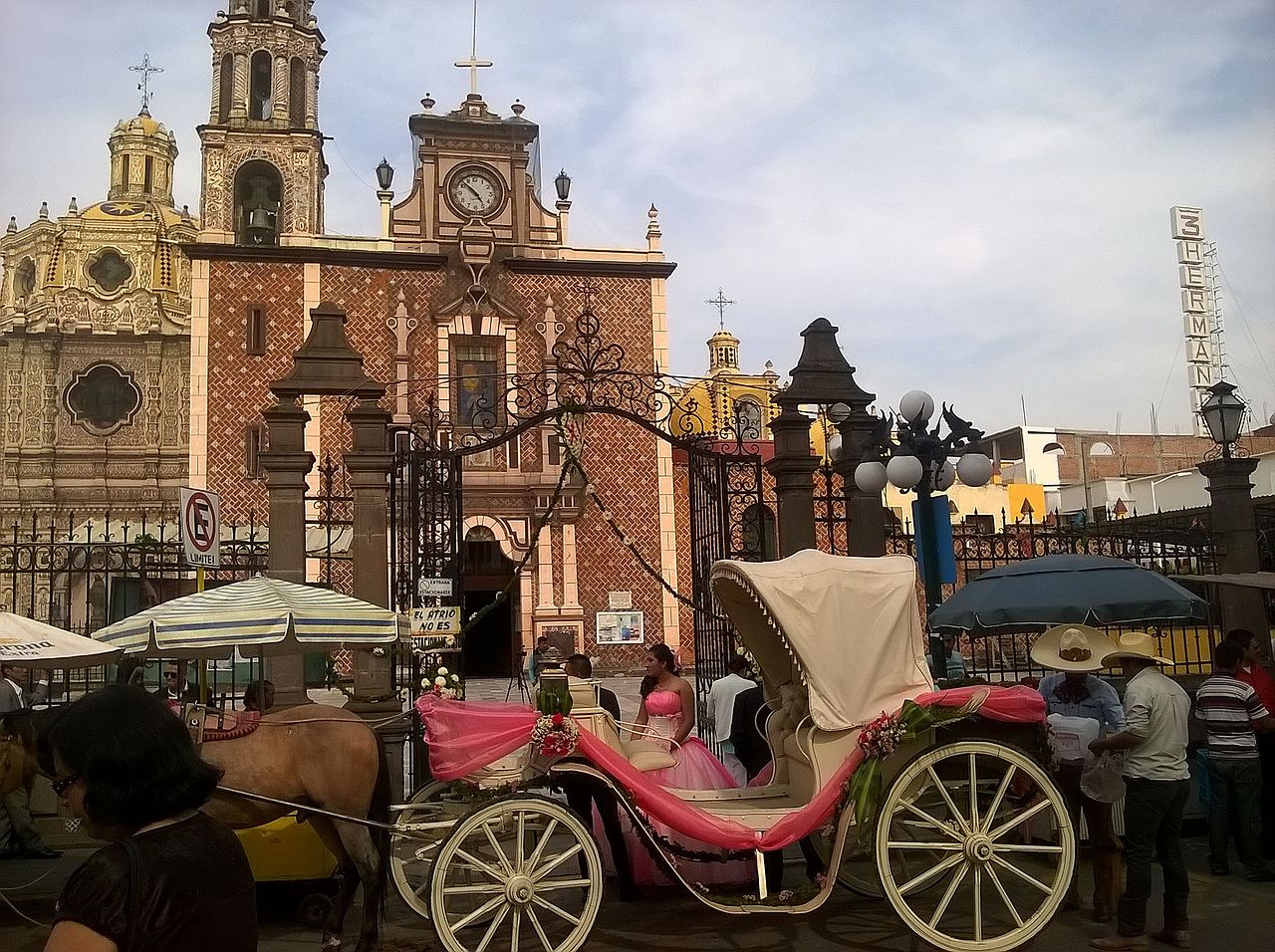


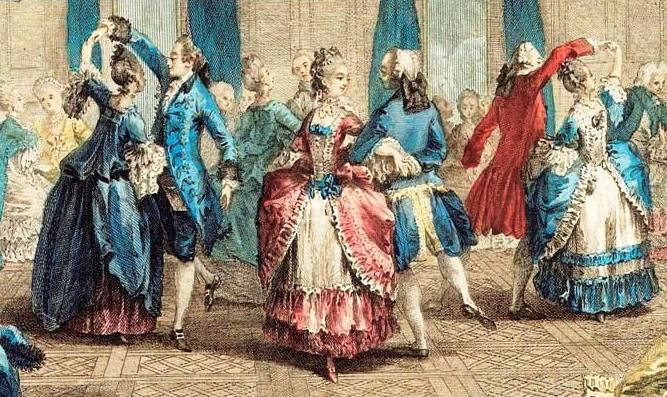
Ceremony and common elements
Many quinceañeras begin with a Mass of thanksgiving (often called an Misa de Acción de Gracias) where the celebrant wears a formal gown and may present offerings at an altar. After the religious portion, a reception or fiesta follows with food, music and dancing. Typical ceremonial elements include:
- The court (corte) of damas and chambelanes — attendants who accompany the quinceañera; numbers can range from a few to a large group depending on family preference.
- The father‑daughter waltz, sometimes followed by choreographed group dances.
- Symbolic presentations such as a tiara, a pair of high heels replacing flat shoes, and often a last doll (la última muñeca), representing the end of childhood.
- Formal introductions, speeches, toasts, cake cutting, and social rituals like the bouquet toss.
History and cultural roots
The quinceañera blends Indigenous rites of passage, Spanish colonial Catholic practices and evolving social customs. Scholars note that the fifteenth birthday grew into its modern form through colonial and post‑colonial social structures where public ritual and family sponsorship emphasized status and community bonds. Over time the event adapted to urban, rural and transnational settings, producing diverse local traditions across Mexico, Central and South America, the Caribbean, and among Latinx communities in the United States.
Modern variations and significance
Today quinceañeras range from simple family gatherings to elaborate celebrations that involve professional planners, photographers, dancers and custom gowns. Some families emphasize the religious and reflective aspects; others focus on cultural expression, fashion and entertainment. Contemporary debates touch on costs and commercialization, gender expectations and expanding inclusivity — for example, celebrations for youths of different gender identities or secular alternatives.
Notable distinctions
The quinceañera is often compared to coming‑of‑age ceremonies elsewhere, such as the North American “Sweet Sixteen” or Jewish bat mitzvah, but it is distinct in its typical age (fifteen), its mixture of Catholic ritual and regional customs, and the specific symbolic acts (shoes, tiara, doll). Regional names and practices differ, and families freely adapt elements to reflect religious beliefs, socioeconomic means and personal priorities.
Questions and answers
Q: What is the Quinceañera?
A: The Quinceañera is a celebration of a young Latina woman's fifteenth birthday.
Q: How is the Quinceañera celebrated?
A: The Quinceañera is celebrated in a specific and different way from other birthdays, with a Thanksgiving Mass, formal dress, parents, godparents, seven maids of honor, and seven chamberlains.
Q: Who is typically in attendance at a Quinceañera celebration?
A: The younger sisters, female cousins, and friends of the Quinceañera are typically in attendance, along with parents and godparents.
Q: What happens after the Thanksgiving Mass at a Quinceañera celebration?
A: After the Mass, the younger sisters, female cousins, and friends of the Quinceañera pass out party favors, and the Quinceañera leaves her bouquet in an altar to the Virgin Mary.
Q: Where is the party held for a Quinceañera celebration?
A: The party is typically held at either the Quinceañera's home or in a banquet hall rented for the occasion.
Q: How does the Quinceañera celebrate compare to the English version of a Sweet Sixteen?
A: The Quinceañera celebration is the same as the English version of a Sweet Sixteen.
Q: How many maids of honor and chamberlains are typically present at a Quinceañera celebration?
A: Seven maids of honor and seven chamberlains are typically present at a Quinceañera celebration.
Related articles
Author
AlegsaOnline.com Quinceañera: Latin American Coming-of-Age Celebration Leandro Alegsa
URL: https://en.alegsaonline.com/art/80565
Sources
- commons.wikimedia.org : Quinceañeras
- usccb.org : U.S. Conference of Catholic Bishops.
- time.com : Keith Dannemiller. Coming of Age in Ciudad Juárez. TIME.