
PPSh-41: Soviet World War II submachine gun
PPSh-41, designed by Georgi Shpagin, is a widely produced Soviet submachine gun known for stamped-steel construction, high rate of fire, and use of 7.62×25mm ammunition in WWII, Korea, and postwar conflicts.
Overview
The PPSh-41 (Pistolet-Pulemyot Shpagina) is a Soviet submachine gun introduced during World War II. Designed by Georgi Shpagin as a simpler, cheaper alternative to earlier models, it became one of the most numerous submachine guns fielded during the conflict. The weapon earned a reputation for ruggedness, ease of production, and formidable close-range firepower, and it remained in service and circulation worldwide long after the war.
Image gallery
10 Images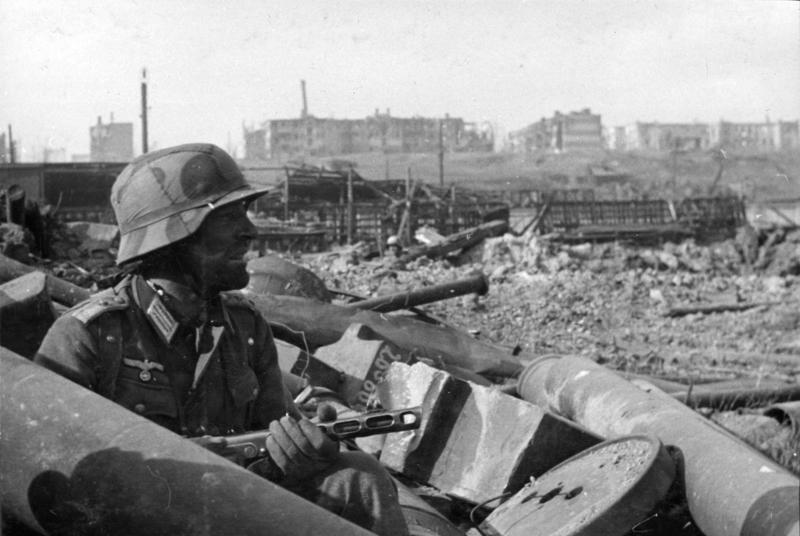


Design and characteristics
The PPSh-41 is a simple blowback firearm that fires the 7.62×25mm pistol cartridge. It was made largely from stamped sheet steel with a wooden shoulder stock, a construction that reduced production time and cost. The gun commonly used a high-capacity 71-round drum magazine, although a 35-round detachable box magazine was also used later in the war and postwar periods. The weapon operates from an open bolt and is noted for a high cyclic rate of fire, which gives it strong short-range firepower but can also lead to rapid ammunition expenditure.
Development and wartime use
Shpagin designed the PPSh-41 to replace the earlier PPD-40, with the goal of equipping large numbers of conscripted soldiers and irregular formations who had limited training. Mass production began soon after adoption in 1941, and the PPSh-41 saw widespread use on the Eastern Front in urban and close-quarters engagements where its rapid-fire capability was an advantage. It was used by infantry, vehicle crews, and rear-area units, and often supplied to partisan and allied forces.
Variants, postwar service, and legacy
After World War II the PPSh-41 was exported and copied; several countries produced local variants. China manufactured a near-copy known in some sources as the Type 50, and the design appeared in conflicts across Asia, Africa, and the Middle East. The weapon was seen in the Korean War and was used by irregular forces in Vietnam. Decades later, captured or retained examples have appeared in other conflicts, illustrating the design's longevity.
Notable features and comparisons
The PPSh-41's stamped construction marked a shift toward mass-producible small arms suited to wartime economies. Advantages included low cost, mechanical simplicity, and very high magazine capacity when using the drum. Drawbacks included added weight with a loaded drum, a tendency to waste ammunition under full-auto, and in some circumstances sensitivity of the drum magazine to damage or misfeeds. Compared with later compact designs, it is bulkier but remains historically significant as a workhorse submachine gun.
Further reading and references
- Russian name and designation
- Classification as a submachine gun
- Use by conscripted soldiers
- 7.62×25mm ammunition
- Drum and box magazine details
- Stamped steel construction and manufacturing
- Service in World War II
- Role in the Korean War
- Use by Viet Cong and other irregulars
- Chinese Type 50 copy and related variants
- Captured examples in later conflicts
Note: This article summarizes broadly known facts about the PPSh-41 and its historical use. For detailed technical specifications, manufacturing records, or first-hand accounts, consult specialized sources and archival documentation.
Questions and answers
Q: What is the PPSh-41?
A: The PPSh-41 is a Soviet submachine gun designed by Georgi Shpagin.
Q: Why was the PPSh-41 created?
A: The PPSh-41 was created to be a cheaper and simpler alternative to the PPD-40 which was in Soviet service at that time. It was also intended for use by conscripted soldiers with very little training.
Q: How does the PPSh-41 get its ammunition?
A: The PPSh-41 gets its ammunition from a magazine.
Q: Is the PPSh-41 selective fire?
A: Yes, it is a selective fire submachine gun.
Q: What material is used to make the majority of the gun?
A: The majority of the gun is made of stamped steel.
Q: What type of round does it fire?
A: It fires 7.62×25mm pistol rounds.
Q: When and where has it been used in combat?
A: The PPSh-41 has been used extensively during World War II and Korean War, as well as being used by Viet Cong forces in Vietnam until 1970 and even some captured by US soldiers during Iraq War.
Related articles
Author
AlegsaOnline.com PPSh-41: Soviet World War II submachine gun Leandro Alegsa
URL: https://en.alegsaonline.com/art/78579