
Praetorian Guard
Elite unit that served as the personal protectors and political instrument of Roman emperors from the early Empire until their disbandment in the 4th century AD.
Overview
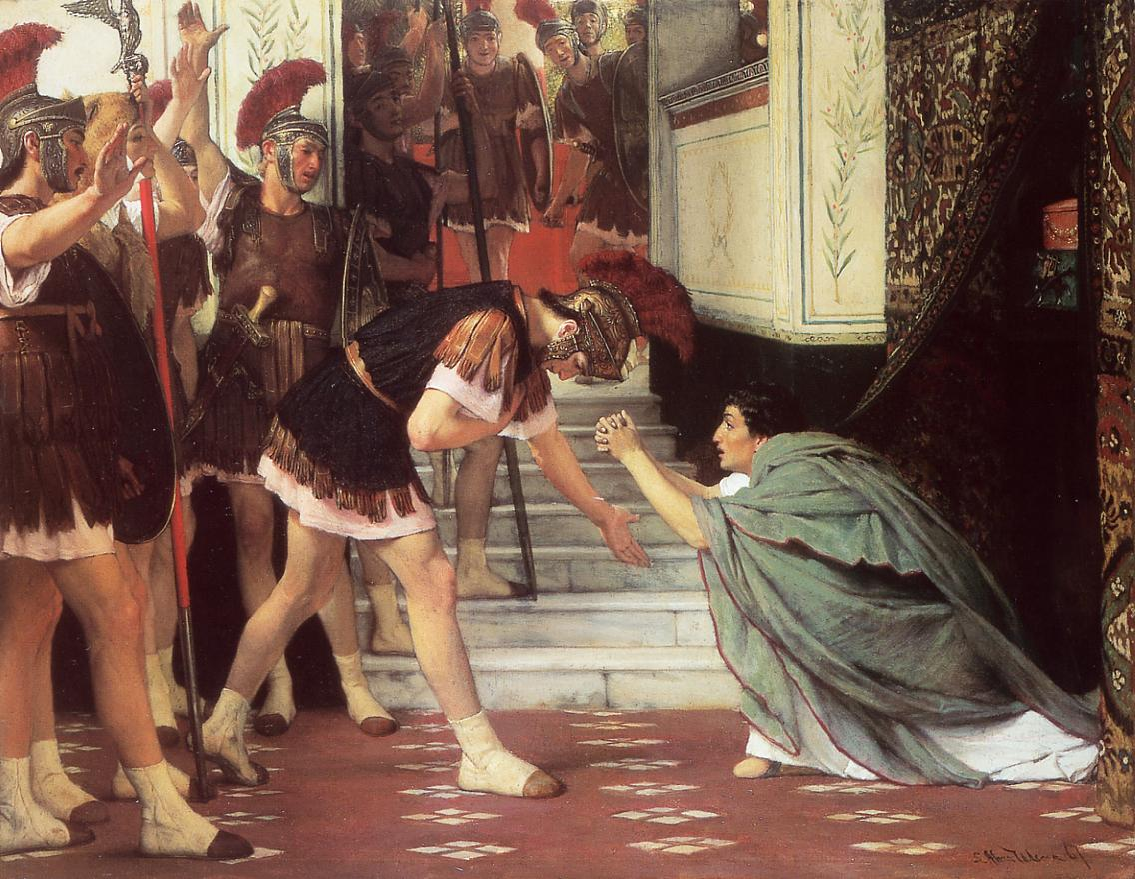
The Praetorian Guard was the imperial household force charged with protecting Roman emperors and their families. Originating from the bodyguards kept by senior commanders in the late Republic, the institution became a distinct and powerful unit in the Roman imperial system. In addition to close protection duties, the Guard often served as an armed presence in the capital and a political force within Rome. For a general introduction to the concept of personal protectors see bodyguards.
Image gallery
5 Images


Organization and duties
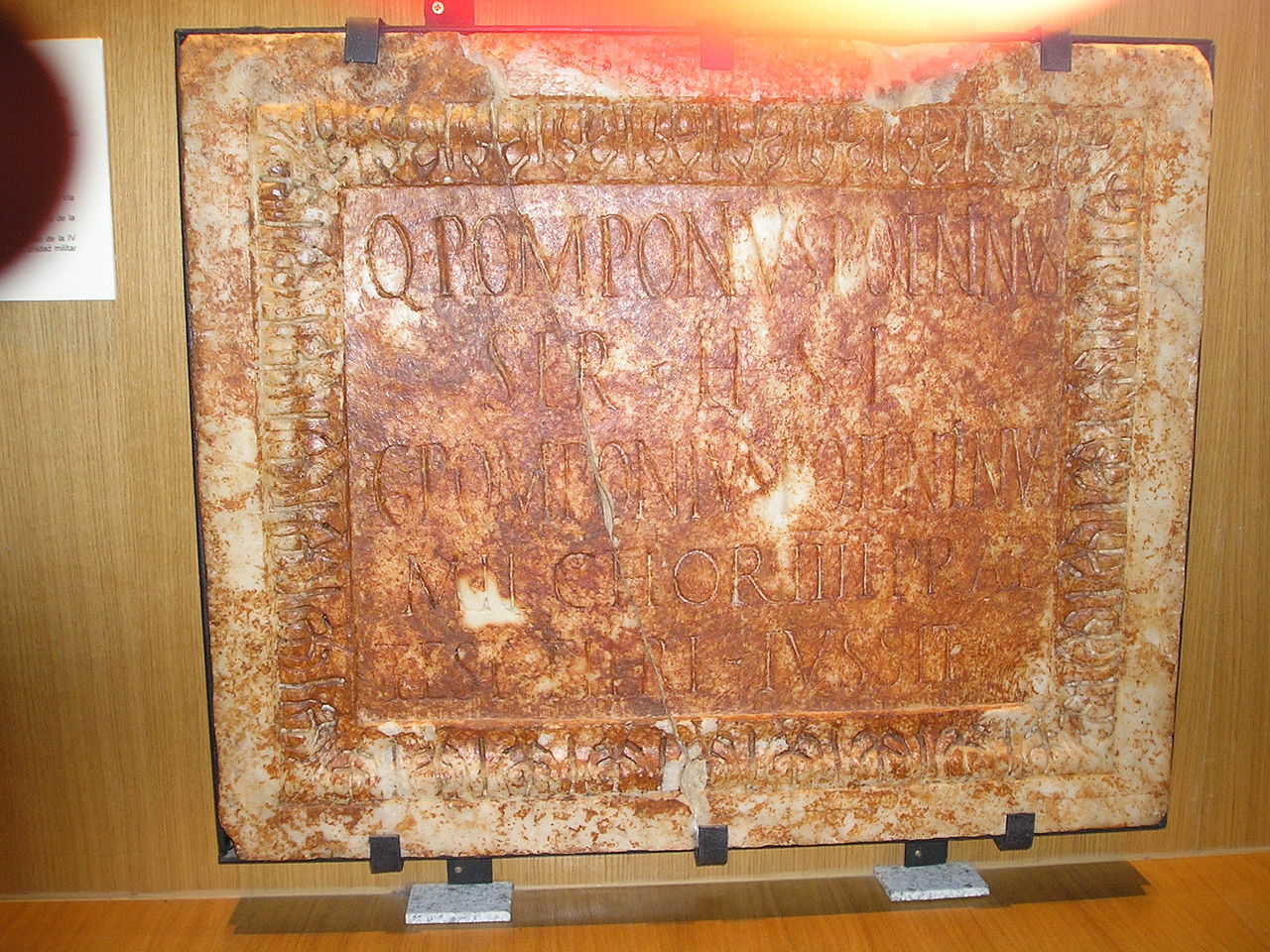
Praetorian units were organized separately from the regular legions and stationed near Rome rather than on distant frontiers. They were typically formed into cohorts under senior officers and commanded by a Praetorian Prefect. Their routine tasks included protecting the emperor, guarding palaces and important sites in the capital, maintaining order in the city, and acting as a reserve force for emergencies. Over time some members were also entrusted with escorting dignitaries, conducting arrests, and performing ceremonial functions.
History and evolution
The Guard has roots in the private escorts of Republican generals but was formalized under the first emperors as the imperial household force. During the early empire its proximity to the center of power made it both influential and visible. The office of the Praetorian Prefect grew from a purely military command into a position of high administrative and political responsibility, reflecting the Guard's close connection to imperial authority. For background on the institution's Republican origins see Roman Republic.
Political role and notable actions
Because the Praetorians could make or unmake emperors by their support or opposition, they occasionally intervened in succession disputes, revolts, and palace intrigues. On multiple occasions their involvement changed the course of Roman politics, sometimes violently. Their commanders, particularly the Praetorian Prefects, could influence imperial decisions and were often kingmakers in periods of weak central control. The evolving power of the prefecture is discussed further in sources on the office of the Praetorian Prefect.
Decline and disbandment
In the late third and early fourth centuries AD, broader military and administrative reforms altered the role of central imperial guards. Following civil wars and the shifting balance of power among military factions, Emperor Constantine I abolished the Praetorian Guard as a unified political force. The disbandment removed a longstanding instrument of court politics and reflected Constantine's efforts to consolidate direct control and restructure imperial security arrangements.
Legacy and significance
The Praetorian Guard remains a symbol of the intersection between military force and political authority in ancient Rome. Its history illustrates how an elite protective unit can accumulate power beyond its original remit, shaping succession, governance, and the balance between army and state. Modern discussions of imperial security and praetorianism often draw on this example when examining the risks posed by armed household forces to civil institutions.
- Primary role: imperial protection and reserve force
- Command: Praetorian Prefect (senior officer with growing political influence)
- Fate: disbanded in the early 4th century during Constantine's reforms
Questions and answers
Q: What was the Praetorian Guard?
A: The Praetorian Guard was a group of bodyguards used by Roman Emperors.
Q: Where did the title 'Praetorian Guard' originate?
A: The title was first used for the guards of generals in the Roman Republic.
Q: Who was the commander of the Praetorian Guard?
A: The commander of the Praetorian Guard was the Praetorian Prefect.
Q: Was the Praetorian Prefect a significant figure in Rome?
A: Yes, the Praetorian Prefect was often an important figure in the political planning in Rome.
Q: When was the Praetorian Guard disbanded?
A: The Praetorian Guard was disbanded by Emperor Constantine I in the fourth century AD.
Q: Why was the Praetorian Guard stopped and disbanded?
A: The Praetorian Guard was stopped and disbanded by Emperor Constantine I for their involvement in a plot to overthrow him.
Q: Are there any existing Praetorian Guards today?
A: No, there are no existing Praetorian Guards today.
Related articles
Author
AlegsaOnline.com Praetorian Guard Leandro Alegsa
URL: https://en.alegsaonline.com/art/78592