
Pretty. Odd. — Panic! at the Disco's 2008 stylistic shift
Pretty. Odd. is Panic! at the Disco's second studio album, released March 25, 2008. It marks a major stylistic departure from their debut, embracing baroque pop and 1960s-inspired arrangements.
Pretty. Odd. is the second studio album by Panic! at the Disco, issued on March 25, 2008. The record is notable for abandoning much of the theatrical pop-punk and electronic production of the band's debut in favor of organic instrumentation, ornate arrangements and a clear 1960s pop influence. Its title is commonly styled with the two periods: "Pretty. Odd.".
Image gallery
4 Images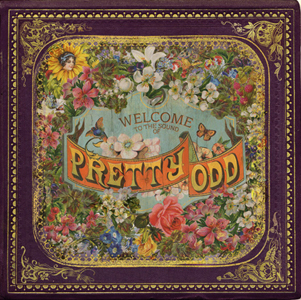


Overview
Musically, the album moves toward baroque pop, chamber pop and retro rock textures. Strings, brass, acoustic guitars and vintage keyboard sounds are prominent, and the songs often emphasize melodic hooks, close harmony and a warmer, live-room feel. The shift surprised many listeners and critics at the time, because it represented a deliberate reorientation of the band's image and songwriting approach.
Recording and development
Work on the album followed the commercial success of the band's debut and involved a different set of production choices intended to capture a more timeless, band-oriented sound. The group experimented with vintage studio techniques and arrangements that foregrounded complementary instruments instead of synthesizer-driven beats. This period also saw changes in the way the band presented itself artistically, reflected in visuals and promotional material.
Notable songs
- Nine in the Afternoon — the upbeat lead single that introduced the album's brighter tonal palette.
- When the Day Met the Night — a melodic example of the record's lyrical imagery and harmonic layering.
- Northern Downpour — a slower, reflective ballad that has become one of the album's best-known tracks.
Reception and legacy
Upon release, the album divided listeners and critics: some praised its ambition and rich arrangements, while others missed the theatrical immediacy of the earlier material. Over time Pretty. Odd. has been reevaluated by many as a bold artistic statement that broadened the band's range and influenced peers curious about blending contemporary rock with classic pop sensibilities.
Further information
For more background on the record, its track listing, and contemporary reviews, see further reading. The album remains a frequently cited example of a mainstream rock band making an overt stylistic reinvention.
Related articles
Author
AlegsaOnline.com Pretty. Odd. — Panic! at the Disco's 2008 stylistic shift Leandro Alegsa
URL: https://en.alegsaonline.com/art/78974
Sources
- youtube.com : "YouTube"
- panicatthedisco.com : panicatthedisco.com