
Postural orthostatic tachycardia syndrome (POTS)
A disorder of autonomic regulation causing excessive heart rate increase on standing, with dizziness, fatigue, palpitations and other systemic symptoms; diagnosis and management require clinical assessment.
Overview
Postural orthostatic tachycardia syndrome (POTS) is an autonomic nervous system disorder in which a person's heart rate rises abnormally on changing posture, especially when they stand up. The defining problem is orthostatic intolerance: difficulty tolerating an upright position without symptoms. POTS is not a single disease but a syndrome with multiple possible causes and variable severity.
Image gallery
4 Images


Common features and diagnosis
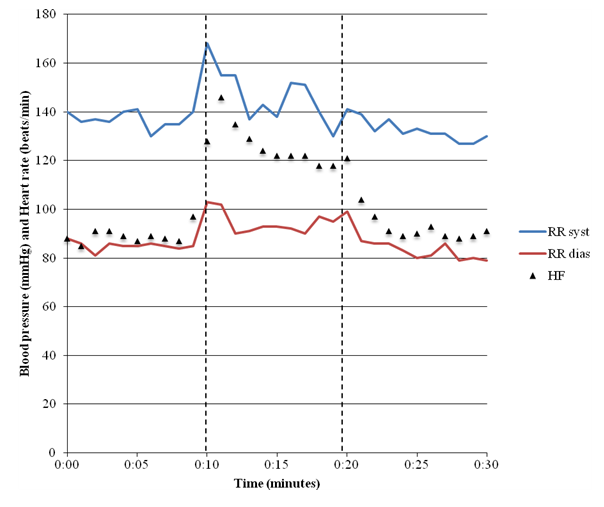
Typical complaints include lightheadedness, racing heart (palpitations), near-fainting, fatigue, cognitive slowing often called "brain fog," and gastrointestinal symptoms. Clinicians use history, physical examination and orthostatic vital signs or tilt-table testing. Diagnostic criteria emphasize a sustained increase in heart rate on standing accompanied by orthostatic symptoms and without a large drop in blood pressure; formal assessment is needed to exclude other conditions.
Causes and patterns
POTS reflects dysregulation of the autonomic nervous system and can be primary or secondary to other disorders. Patterns include neuropathic POTS (impaired blood vessel constriction), hyperadrenergic POTS (excess sympathetic activity), and forms related to low blood volume or deconditioning. Symptoms may follow a viral illness, surgery, or develop gradually.
Management and daily impact
Treatment focuses on symptom control: increased fluid and salt intake, compression garments, physical reconditioning with graded exercise, and measures to reduce rapid heart rate. Medications such as low-dose beta-blockers, volume expanders, vasoconstrictors or heart-rate modulators are used selectively. Care is individualized and often multidisciplinary.
Prognosis and notable facts
POTS most often affects adolescents and young adults and is seen more frequently in women. The course varies: some improve with time and therapy, while others have persistent limitations. For further information on symptoms, diagnosis and resources, see guidance and patient resources.
Related articles
Author
AlegsaOnline.com Postural orthostatic tachycardia syndrome (POTS) Leandro Alegsa
URL: https://en.alegsaonline.com/art/78399
Sources
- ncbi.nlm.nih.gov : "Neuronal and hormonal perturbations in postural tachycardia syndrome"
- doi.org : 10.3389/fphys.2014.00220
- pubmed.ncbi.nlm.nih.gov : 24982638
- doi.org : 10.1016/j.mayocp.2012.08.013
- dysautonomiainternational.org : "Postural Orthostatic Tachycardia Syndrome"
- doi.org : 10.1007/s10286-011-0119-5
- doi.org : 10.1038/nrneurol.2011.187
- circ.ahajournals.org : "Postural tachycardia syndrome (POTS)"
- doi.org : 10.1161/CIRCULATIONAHA.112.144501
- ncbi.nlm.nih.gov : 3756553
- pubmed.ncbi.nlm.nih.gov : 23753844
- doi.org : 10.1016/j.pediatrneurol.2009.07.002
- circ.ahajournals.org : "Postural Tachycardia Syndrome"
- doi.org : 10.1161/CIRCULATIONAHA.107.761643