
Balkan Wars (1912–1913)
Two consecutive conflicts in 1912–1913 on the Balkan Peninsula that reshaped regional boundaries, weakened Ottoman rule in Europe, and helped set the stage for World War I.
Overview
The Balkan Wars were two interrelated military conflicts fought on the Balkan Peninsula in 1912 and 1913. In the First Balkan War (1912–1913) a coalition of Balkan states confronted the declining Ottoman Empire in Europe. The victorious allies then disputed the spoils, and those disputes led quickly to the Second Balkan War (1913), in which former partners and new entrants fought over territory. Together the wars produced major territorial adjustments, large population movements, and a heavy human cost; they also intensified rivalries that contributed to the outbreak of the First World War.
Image gallery
10 Images





Causes and participants
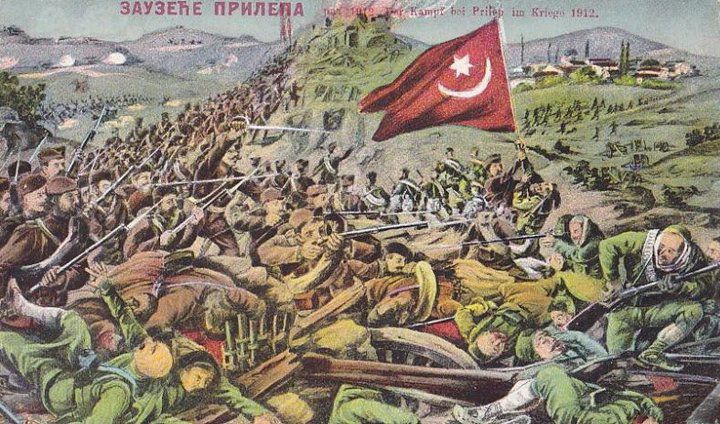
The principal motivation for the wars was the rise of national movements and the desire of Balkan states to acquire lands still governed by the Ottoman Empire in Europe. A sense of national liberation combined with competition for Macedonia, Thrace and other borderlands drove the belligerents. The First Balkan War pitted the Balkan League—composed of Bulgaria, Serbia, Greece and Montenegro—against the Ottoman forces. After Ottoman defeat, disagreements over the division of conquered provinces triggered the Second Balkan War, which saw Bulgaria fighting its former allies while Romania and the Ottoman side intervened against Bulgaria.
Course of the conflicts
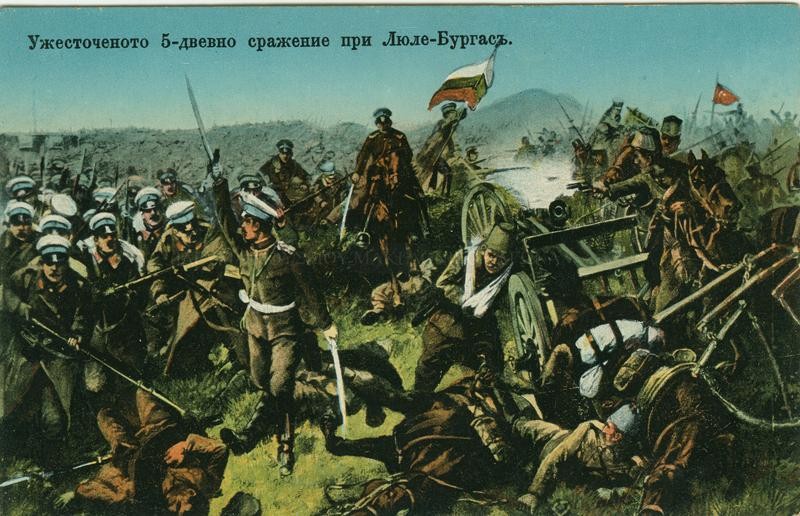
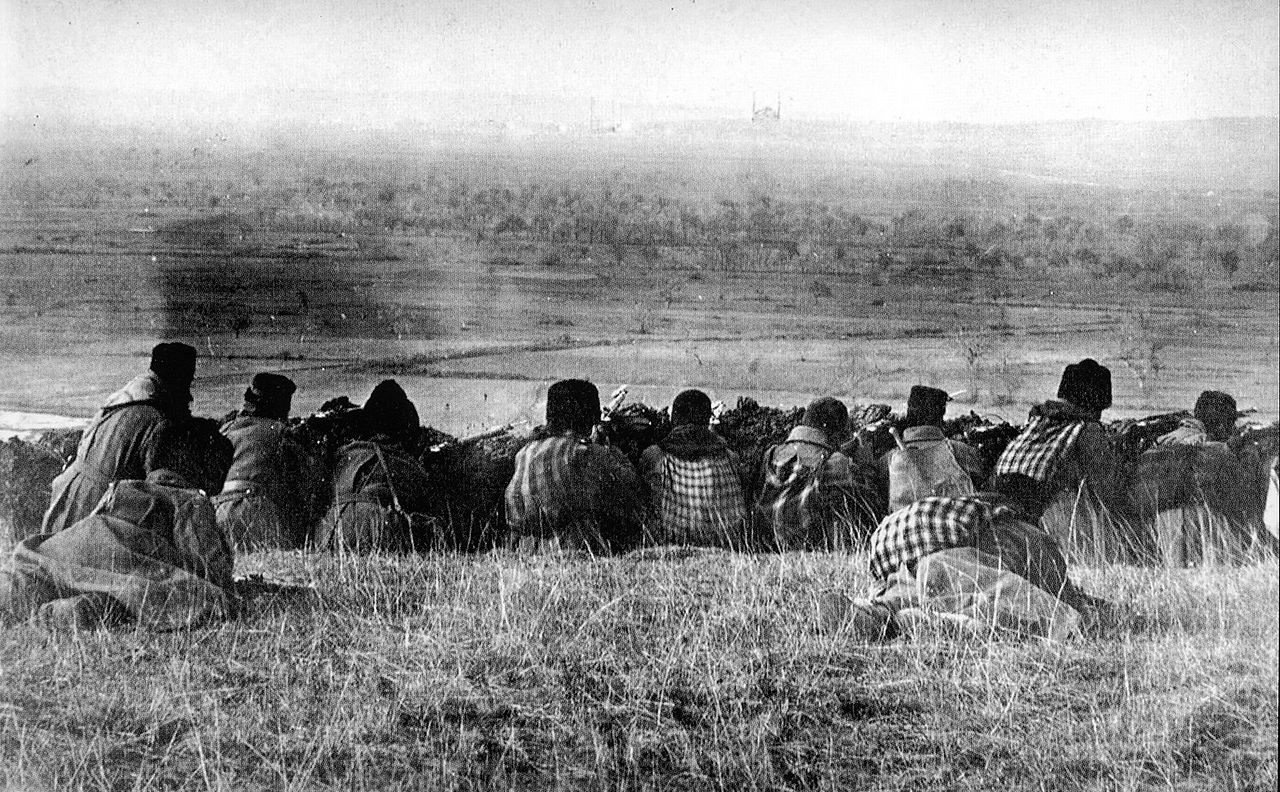
The First Balkan War began in October 1912 with coordinated offensives by the Balkan League. Ottoman forces, already stretched by internal problems and previous rebellions, were pushed out of much of their European domains. Key operations included campaigns in Macedonia and the capture of important fortress towns in Thrace. Diplomatic pressure led to an international conference and the Treaty of London in May 1913, which largely ended Ottoman rule in much of the peninsula.
Disputes over the partition of Macedonia and other gains made cooperation brittle. In June 1913 Bulgaria attacked its former allies, initiating the Second Balkan War. Greece and Serbia formed a joint front and were soon reinforced by Romania and, in places, Ottoman counterattacks. The fighting was relatively short but fierce; by August 1913 Bulgaria had been compelled to accept a new settlement, formalized in the Treaty of Bucharest and separate accords with the Ottoman government.
Territorial changes and population impact
- Territories formerly under Ottoman control in Europe were redistributed among the Balkan states; the Ottoman footprint on the peninsula was greatly reduced, though some areas such as parts of Thrace remained contested.
- Serbia emerged territorially strengthened in the central Balkans; Greece expanded in the south and along the Aegean littoral; Bulgaria gained and then lost territory, leaving a legacy of grievance.
- The wars precipitated significant population movements: refugees, expulsions and bilateral exchanges affected Muslims, Orthodox Christians and other communities. Large numbers of civilians were uprooted and many died from disease, exposure and violence.
Casualties and humanitarian consequences
Estimates of military and civilian casualties vary, but contemporary accounts and later research agree that the human toll was high—tens of thousands of soldiers on each side and large numbers of civilian deaths from combat, disease and forced displacement. The conflicts also produced enduring grievances: refugees, property losses and episodes of communal violence contributed to ethnic tensions that persisted long after the treaties were signed.
Significance and aftermath
The Balkan Wars decisively changed the political map of southeastern Europe and demonstrated the rapid decline of Ottoman influence on the continent. They also altered the balance of power: Serbia’s territorial gains alarmed Austria-Hungary; the unsettled rivalries among Balkan states and the entanglement of Great Power interests helped make the region a flashpoint in 1914. Diplomatic settlements in 1913—negotiated at London, Bucharest and in agreements with the Ottoman government—left many issues unresolved and set the stage for further conflict.
For further reading about individual campaigns, diplomatic conferences and the social consequences of the wars, consult national histories of the combatant states and international studies of pre–World War I Europe. Key place names frequently associated with the events include Edirne and Haskovo, and many primary documents and contemporary maps are held in archives and libraries across the region and beyond.
Questions and answers
Q: What were the Balkan Wars?
A: The Balkan Wars were a series of wars fought in the Balkan Peninsula in 1912 (First Balkan War) and 1913 (Second Balkan War).
Q: Who was involved in the First Balkan War?
A: The First Balkan War was fought by Greece, Serbia, Montenegro and Bulgaria (the Balkan League) against the Ottoman Empire.
Q: What was the main objective of the war?
A: The main objective of the war was for the members of the Balkan League to annex European territories from the Ottoman Empire, as many people living under Ottoman rule were part of these countries.
Q: How successful was it?
A: It was successful and resulted in almost all European territories being lost by the Ottoman Empire.
Q: Who participated in Second Balkan War?
A: The Second Balkans War included Greece, Serbia, Romania and Bulgaria against each other.
Q: Why did Bulgaria declare war on Greece and Serbia?
A: Bulgaria declared war on Greece and Serbia because they felt that they had been given more land than they deserved after winning the first war.
Q: What kind of casualties occurred during both wars?
A: During both wars there were huge casualties with Bulgarians losing around 65,000 men, Greeks 9,500, Montenegrins 3,000 and Serbs at least 36,000 while Ottomans lost as many as 125,000 dead. In addition tens of thousands died due to disease or other causes.
Tags
Related articles
Author
AlegsaOnline.com Balkan Wars (1912–1913) Leandro Alegsa
URL: https://en.alegsaonline.com/art/8505