
Portmeirion: the Italianate village in North Wales
Portmeirion is an architect-designed tourist village in Gwynedd, North Wales, created by Clough Williams-Ellis between 1925 and 1975 and now run by a charitable foundation.
Overview
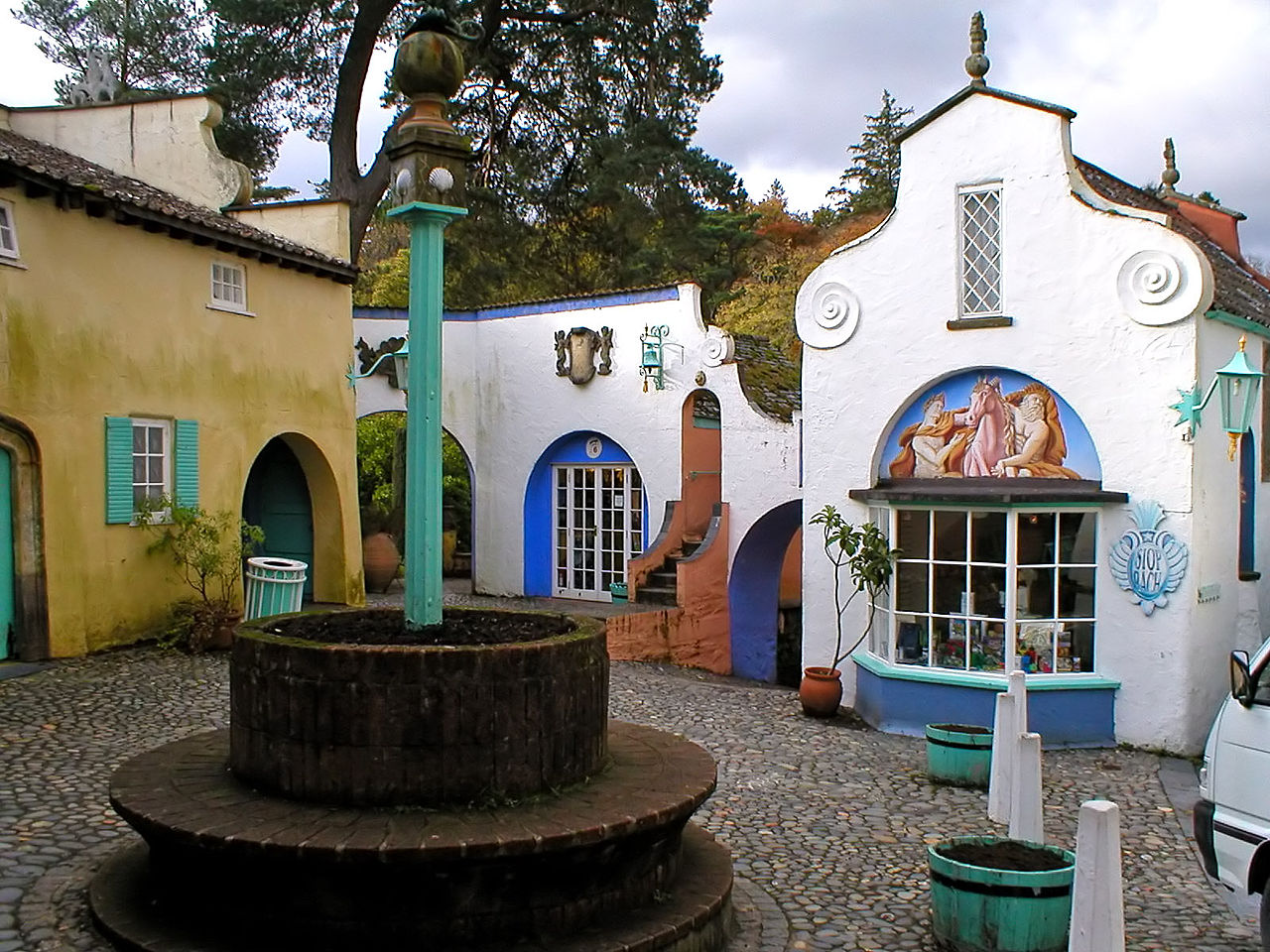
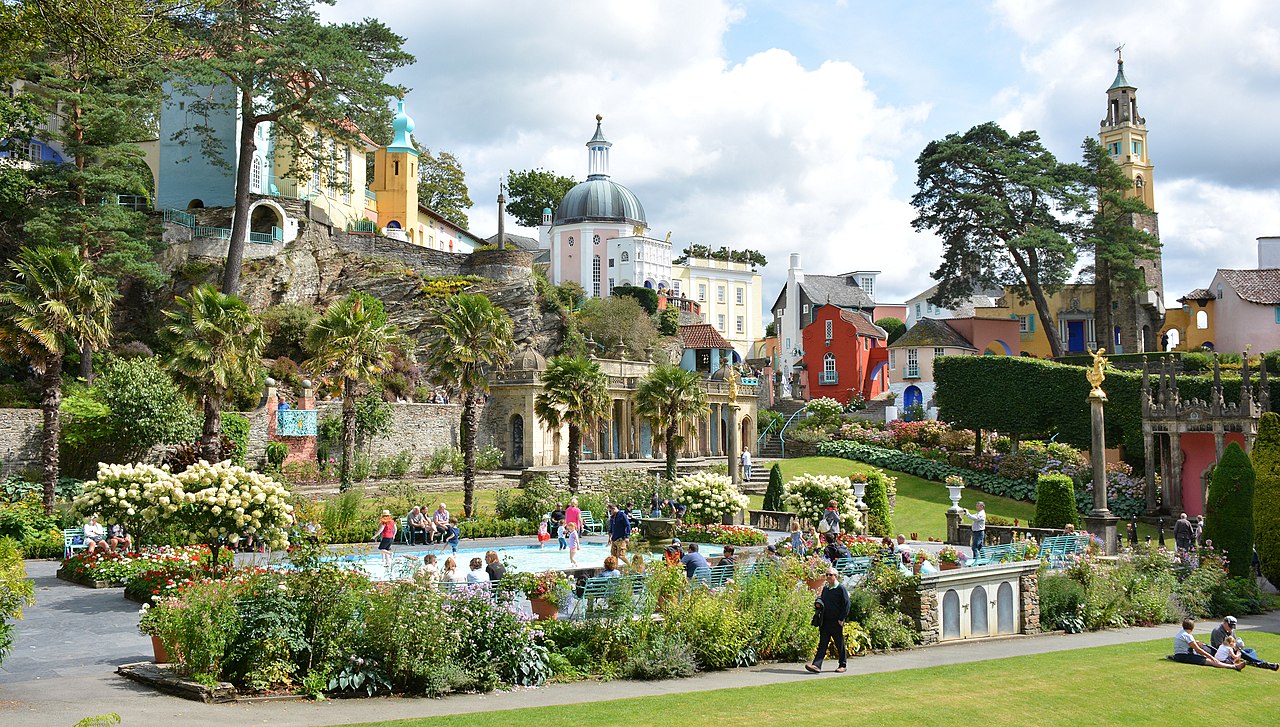
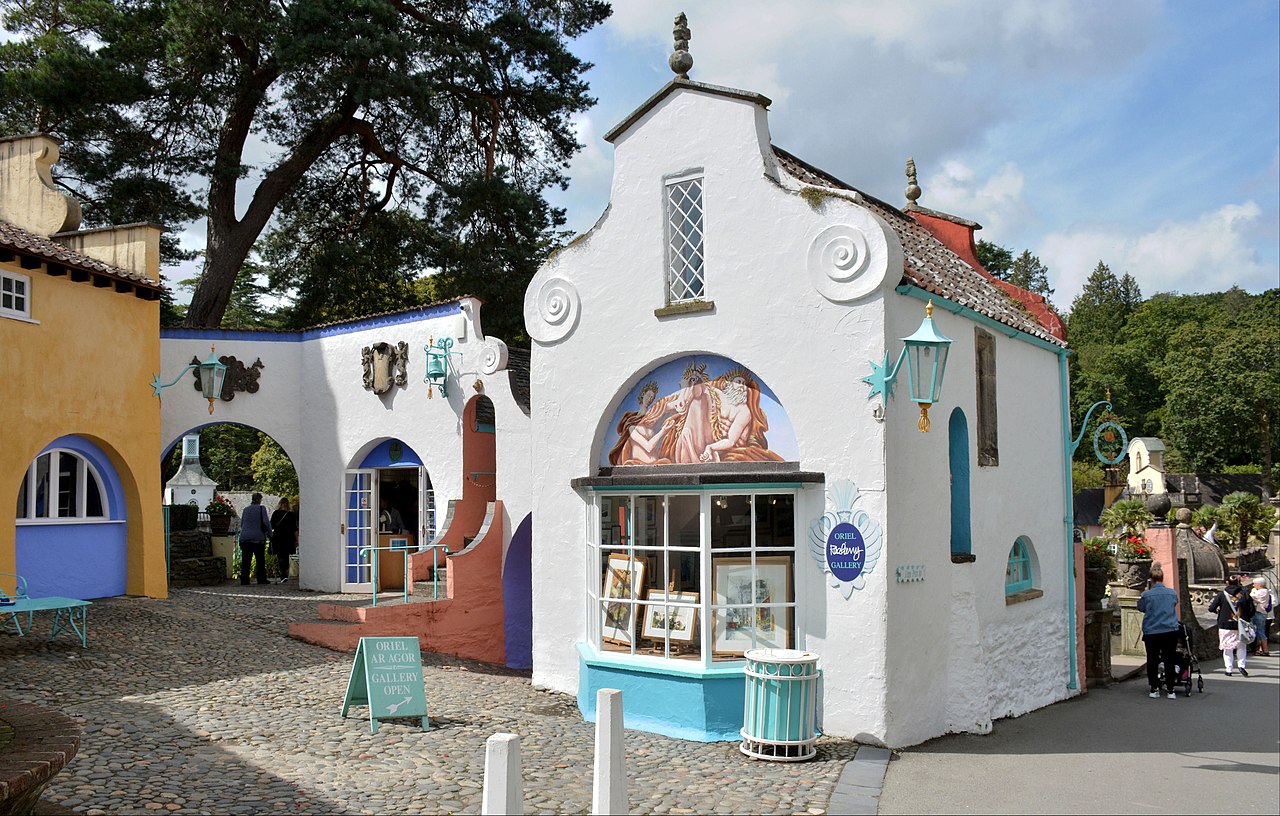
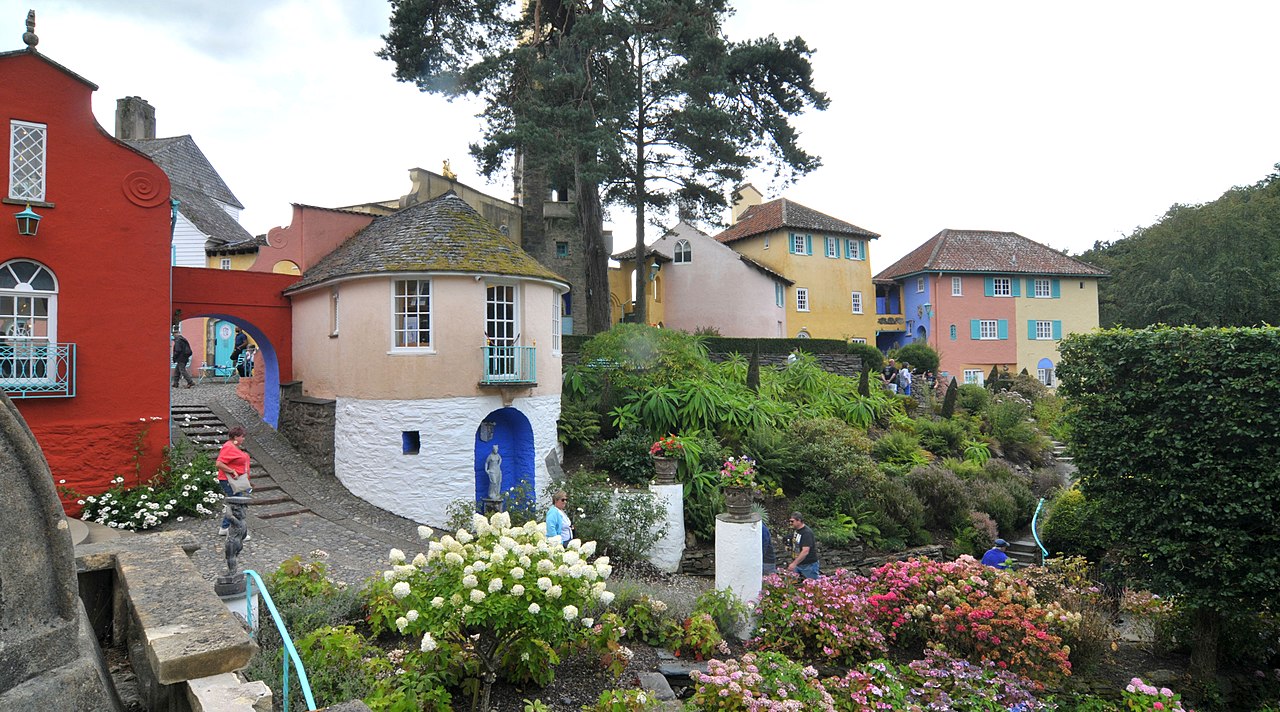
Portmeirion is a purpose-built tourist village on the estuary of the River Dwyryd in the community of Penrhyndeudraeth, North Wales. Designed to evoke the appearance and atmosphere of an Italian coastal settlement, it combines colourful façades, narrow promenades and formal gardens. The site functions as a visitor destination, hotel complex and setting for cultural events and film production. As a notable tourist village, Portmeirion draws attention for its theatrical layout and its adaptation to a dramatic coastal landscape.
Image gallery
10 Images




History and design
The village was conceived and created by the Welsh architect Clough Williams-Ellis over a period of decades, with construction beginning in 1925 and continuing until about 1975. Williams-Ellis sought to demonstrate that careful, picturesque development could conserve a landscape while creating a charming built environment. He used a mix of new work and salvaged architectural elements, arranging varieties of classical and vernacular motifs into a compact, informal ensemble rather than a single unified style.
Characteristics and components
Portmeirion is compact but composed of many distinct elements: small squares and terraces, a central piazza, ornamental gardens, a waterfront promenade and hotel accommodations. The palette of pastel paint, decorative ironwork and ceramic ornament contributes to an intentional Italianate impression. The estate also includes private houses, artisan shops, cafés and public gardens that connect the built fabric to the estuary and woodland slopes.
Uses, cultural role and media
Beyond everyday tourism, Portmeirion has served as a filming location and cultural venue. Its most famous screen appearance was as the location for the 1960s television series The Prisoner, which helped fix its image in popular culture. The village has hosted concerts, festivals and exhibitions and provides accommodation and conference facilities that support local and regional tourism economies.
Ownership, conservation and visitor information
Portmeirion is owned and managed by a charitable trust that aims to preserve the ensemble while making it accessible to the public; information about the charity and its stewardship can be found via the estate’s official channels. Management emphasizes conservation of historic buildings, sensitive maintenance of gardens and regulated visitor access to protect the character of the place for future generations. For practical visitor details, including opening times and facilities, consult local listings or the site’s official resources.
Notable facts and distinctions
- Created over roughly fifty years by a single architect with a conservationist intent.
- Deliberately modelled on Mediterranean village forms, combining eclectic elements into a picturesque whole.
- Serves multiple roles: tourist attraction, hospitality site and film location.
- Located in the county of Gwynedd and adjacent to the River Dwyryd, within the community of Penrhyndeudraeth.
- Currently maintained by a charitable foundation dedicated to its preservation: charity information.
Questions and answers
Q: What is Portmeirion?
A: Portmeirion is a tourist village in Gwynedd, North Wales.
Q: In which community is Portmeirion located?
A: Portmeirion is located in the community of Penrhyndeudraeth.
Q: Who created and built Portmeirion?
A: Portmeirion was created and built by Clough Williams-Ellis.
Q: In which years was Portmeirion created and built?
A: Portmeirion was created and built between the years 1925 and 1975.
Q: What was Clough Williams-Ellis' vision when building Portmeirion?
A: Clough Williams-Ellis wanted Portmeirion to look like an Italian village.
Q: Who owns Portmeirion?
A: Portmeirion is owned by a charity.
Q: What movies and television shows were filmed in Portmeirion?
A: Many movies and television shows were filmed in Portmeirion, including The Prisoner.
Related articles
Author
AlegsaOnline.com Portmeirion: the Italianate village in North Wales Leandro Alegsa
URL: https://en.alegsaonline.com/art/78295