
Containerization: standardized freight shipping and its global impact
Containerization is the standardized system of transporting goods in reusable steel containers that enables intermodal transfer, reduces handling and costs, and reshaped global trade after World War II.
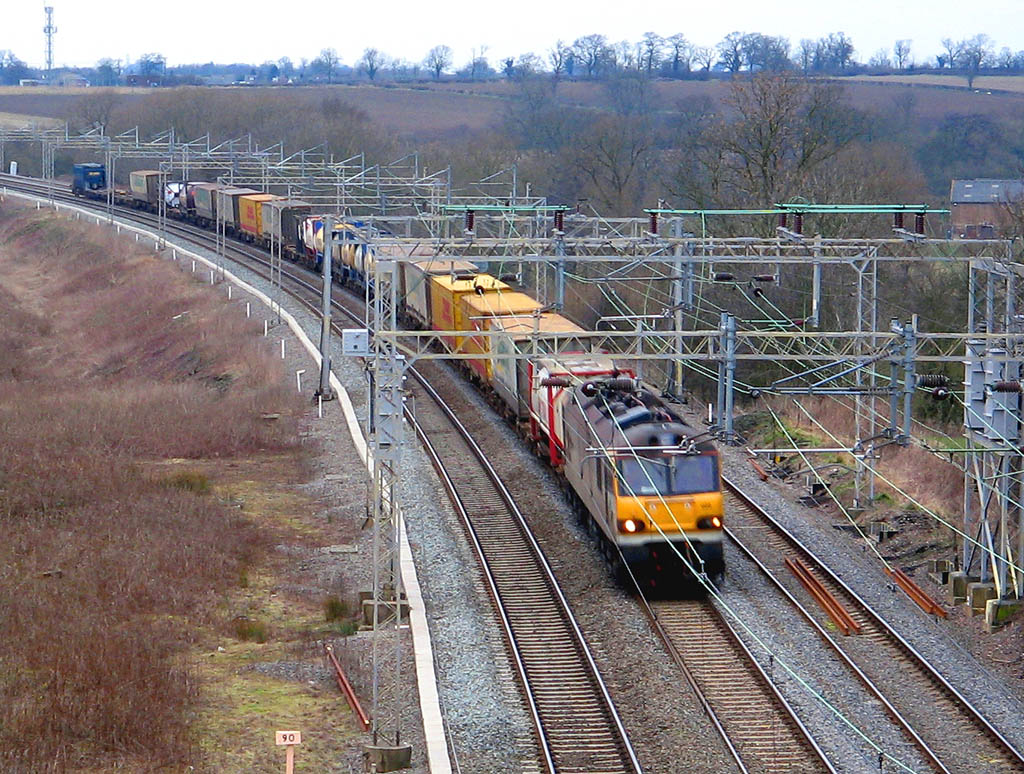
Containerization is the practice of packing cargo into standardized, reusable containers that can be moved intact between ships, trains and trucks. Modern containers are typically steel boxes built to agreed external dimensions and corner fittings so they can be stacked, secured and handled by specialized equipment. This method replaced earlier break‑bulk handling in which individual items were loaded and unloaded piece by piece.
Image gallery
10 Images




Key characteristics and standards
Containers are manufactured to common sizes and corner fittings so terminals, ships and vehicles can work interchangeably. Common types include standard dry vans, refrigerated containers (reefers), open‑top, flat‑rack and tank containers for liquids. Capacity and planning are often expressed in twenty‑foot equivalent units (TEU), a widely used industry metric. Standardization of dimensions, strength and marking enables efficient stacking, carriage and customs processing; for formal guidance see references to container standards at container standards and basic information on common steel container types.
History and development
The system emerged in the mid‑20th century as long‑haul freight volumes grew and shippers sought faster, cheaper handling. After World War II, innovators in shipping and trucking tested metal boxes and adapted port layout, ship design and road trailers to the new approach. International acceptance and compatible equipment encouraged rapid adoption; for background on post‑war innovations see post‑war innovations.
Operations, equipment and modes
- Intermodal transfer: containers move between ships, rail and trucks without repacking, allowing a single shipment to use multiple transport modes.
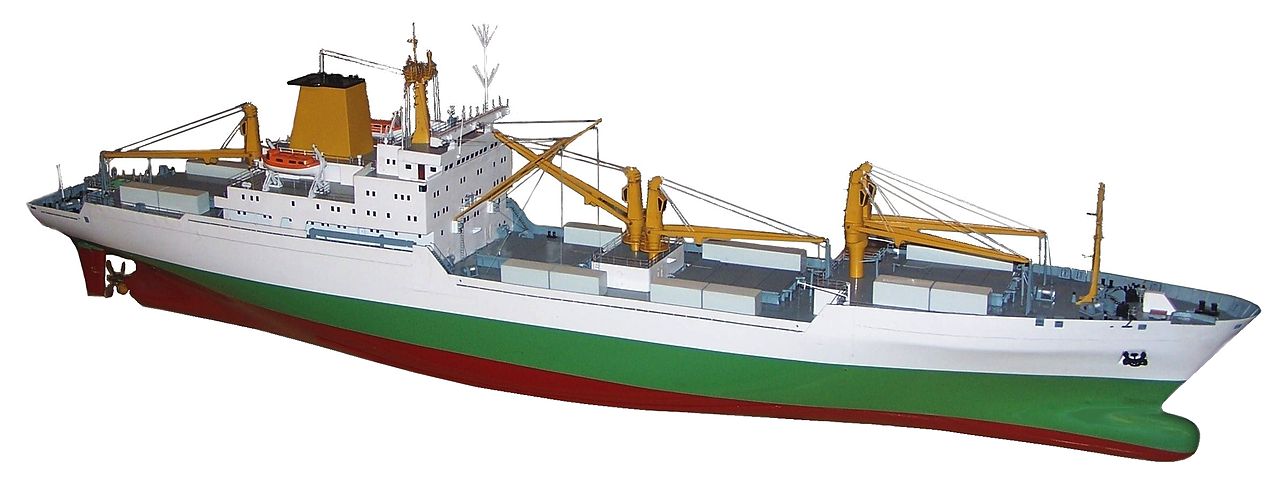
- Handling gear: ship‑to‑shore gantry cranes, straddle carriers, reach stackers and terminal tractors are typical in container terminals, supported by specialized cell guides on ships.
- Documentation and tracking: containers are sealed, identified with unique codes and processed through customs using standardized paperwork and increasing digital interfaces for tracking and logistics.
Economic and social impact
Containerization sharply lowered per‑unit transport costs, shortened transit times and reduced cargo theft and damage. Those efficiencies helped expand international trade and enabled more complex global supply chains in manufacturing, retail and agriculture. The system also drove changes in port infrastructure, led to larger ships optimized for container stacks and altered patterns of industrial location and urban logistics; its role in expanding international trade is widely acknowledged.
Benefits, limitations and notable facts
- Benefits: operational efficiency, lower handling costs, improved cargo security and predictability of transit.
- Limitations: requires investment in terminals and cranes, can create imbalances of empty containers, and may concentrate risk at major chokepoints and hubs.
- Notable: containerization depends on a global network of standardized boxes and equipment; detailed technical and safety guidance is maintained by industry and standards bodies and summarized at ports and logistics resources such as rail and intermodal portals and technical overviews at container standards.
Modern trends
Current developments include larger ultra‑large container ships, greater automation in terminals, electrification of yard equipment, and the growing use of digital platforms for tracking, booking and customs clearance. These trends seek further efficiency and lower emissions while also raising policy questions about resilience, competition and environmental impact. For introductory material on container operations and the maritime linkages, see general resources on shipping and ports at marine and intermodal portals such as road transport and container information pages.
Questions and answers
Q: What is Containerization?
A: Containerization is a system of freight transport based on a range of steel containers.
Q: What are the standard sizes of containers in Containerization?
A: The containers in Containerization are built to standardized sizes.
Q: How do containers operate in Containerization?
A: Containers in Containerization can be loaded and unloaded, stacked, transported over long distances.
Q: What is the advantage of Containerization?
A: The advantage of Containerization is greatly reduced transport costs, and supported a great increase in international trade.
Q: When did the system of Containerization develop?
A: The system of Containerization developed after World War II.
Q: Can containers in Containerization be transferred from one mode of transport to another?
A: Yes, containers in Containerization can be transferred from one mode of transport to another—ships, rail and semi-trailer trucks—without being opened.
Q: What are other names for steel containers in Containerization?
A: Other names for steel containers in Containerization include "shipping containers", "ISO containers" etc.
Related articles
Author
AlegsaOnline.com Containerization: standardized freight shipping and its global impact Leandro Alegsa
URL: https://en.alegsaonline.com/art/22728
Sources
- isbu-info.org : "All about shipping containers"
- transchool.eustis.army.mil : "History & development of the container"
- transportation.army.mil : CONEX
- freespace.virgin.net : "Photos of containers in Baku"
- aapa.files.cms-plus.com : aapa.files.cms-plus.com
- nyk.com : "NYK to build new revolutionary container hangar,"